Reusable plastic packages can look clean while holding invisible oils, food particles, and microbial residue. This guide explains How to clean reusable plastic packages correctly, using practical food-safety methods for containers, lids, seals, and takeaway boxes. The aim is simple: remove residue, reduce contamination risks, and protect the plastic from unnecessary damage.
Dr. Donald Schaffner, a food microbiologist and Distinguished Professor at Rutgers University, advises, “Wash reusable bottles with hot, soapy water after each use.” The same principle applies to reusable packages. Empty the container quickly, separate removable parts, and rinse away crumbs before they dry. Use warm water, mild dish soap, and a clean bottle brush. Scrub grooves, corners, and silicone seals carefully. These small areas often stay damp.
Let everything air-dry completely.
A closed, wet container can develop unpleasant odors overnight. A dishwasher may help, but only when the manufacturer labels the plastic as dishwasher-safe. High heat can warp thin lids, weaken seals, or cloud transparent surfaces. Disinfectants also require caution. More chemical does not mean more hygienic.
A practical mistake is cleaning only the main container. I have seen people wash the box and ignore the lid channel. That habit needs reconsideration. Another imperfect point is drying: wiping with a used kitchen towel may transfer residue back onto the surface. Inspect packages regularly for deep scratches, cracks, sticky odors, or damaged seals. Cleaning cannot repair worn plastic. When damage remains, replacement is the safer and more reliable choice.
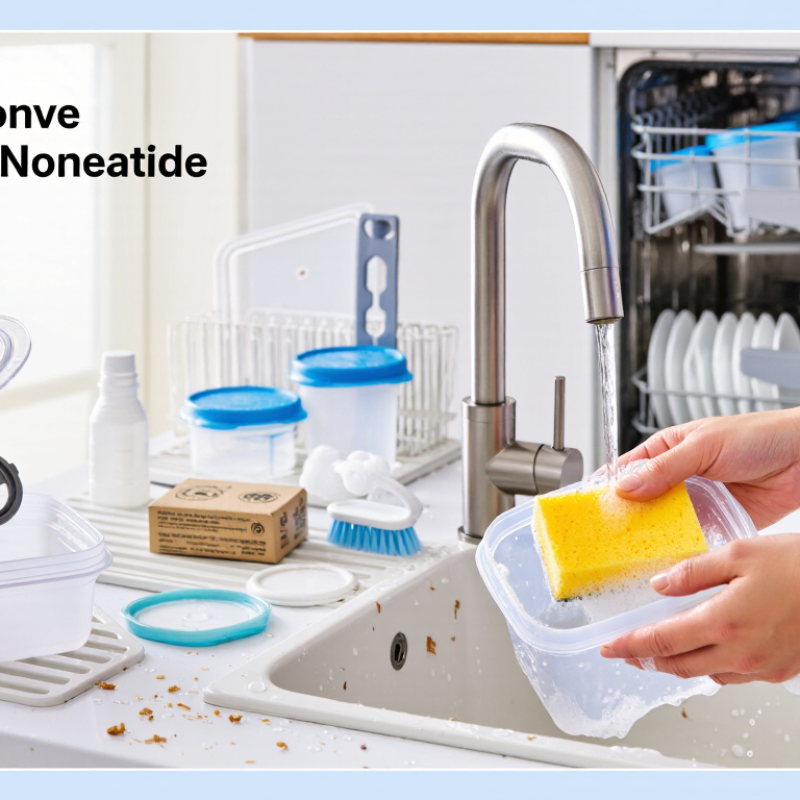
Reusable plastic packages do not all need the same cleaning routine. Rigid food containers, usually made from polypropylene or polyethylene, can hold oily meals and strong odors. Wash them soon after use with warm water, mild detergent, and a soft brush. Avoid rough scouring pads. They can leave tiny scratches where residue collects.
Reusable bottles need special attention around caps, threads, valves, and silicone seals. These narrow parts stay damp longer and may develop an unpleasant smell. Separate every removable piece before washing. Rinse thoroughly, then air-dry with the opening facing down. A bottle used for water needs less intensive cleaning than one used for milk, juice, or protein drinks. That difference is often overlooked.
Stackable crates and transport tubs usually collect dust, soil, and moisture on their outer surfaces. Rinse loose dirt first, scrub corners, and clean them in a ventilated area. Do not seal them while damp. I have found that rushed drying creates more problems than the washing itself. Inspect packages regularly for cracks, cloudy surfaces, deep scratches, or warped lids. Damaged plastic is harder to clean reliably and may no longer protect its contents well. Temperature limits also matter; hot water can deform some packages, despite appearing harmless.
| Package Type | Typical Plastic Material | Common Applications | Recommended Cleaning Method | Suitable Water Temperature | Detergent Guidance | Useful Tools | Items to Avoid | Drying and Storage | Inspection Points |
|---|---|---|---|---|---|---|---|---|---|
| Rigid food containers | Polypropylene (PP) or high-density polyethylene (HDPE) | Meal storage, dry goods, prepared foods, take-away containers | Remove food residue, rinse, wash all surfaces with warm water and detergent, rinse thoroughly, and sanitize when required by the application. | Warm water is generally effective; follow the container and dishwasher manufacturer’s temperature instructions. | Use a mild, food-contact-suitable dish detergent. Avoid mixing cleaning chemicals. | Soft sponge, bottle brush for corners, and a clean drying rack | Steel wool, abrasive powders, sharp scrapers, and highly aggressive solvents | Air-dry completely with the lid removed; store open or loosely covered to prevent trapped moisture and odors. | Check for cracks, deep scratches, warped lids, damaged seals, stains, and persistent odors. |
| Reusable bottles and narrow-neck containers | PP, HDPE, or food-contact copolyester | Water, beverages, liquid ingredients, and personal-care liquids | Disassemble the cap, valve, straw, and gasket where possible. Wash the bottle and each component separately, then rinse well. | Use warm water suitable for the material and any attached seals; do not assume that every bottle is heat-resistant. | A mild liquid detergent helps remove beverage sugars, oils, and residues without leaving excessive film. | Long-handled bottle brush, small detail brush, and clean lint-free cloth | Reassembling while wet, abrasive brushes, and unapproved bleach or solvent mixtures | Dry every part separately, especially under gaskets and around valves. Store with the cap off when practical. | Inspect threads, mouth rims, valves, straws, gaskets, discoloration, leaks, and hidden residue. |
| Reusable plastic bags and pouches | Low-density polyethylene (LDPE), linear low-density polyethylene (LLDPE), or multilayer flexible plastics | Snacks, sandwiches, frozen foods, produce, and light-duty storage | Turn the bag fully inside out when possible, remove residue, wash both sides, rinse, and leave open until completely dry. | Cool to warm water is usually safer for flexible films and zipper components than very hot water. | Use a small amount of mild detergent; rinse carefully from zipper tracks and folded seams. | Soft cloth, non-abrasive sponge, and a drying rack that keeps the opening wide | Sharp brushes, twisting the zipper forcefully, high heat, and rough handling that can create pinholes | Dry upside down or fully open. Do not store folded while damp. | Look for pinholes, split seams, weakened zipper tracks, cloudiness, staining, and odor that remains after washing. |
| Reusable produce and mesh bags | Polyester, nylon, or polypropylene mesh | Fruits, vegetables, dry foods, and lightweight shopping items | Shake out debris, wash according to the care label, rinse thoroughly, and inspect seams after each intensive use. | Use cool or warm water unless the care label specifies otherwise. | Mild detergent is normally sufficient; avoid excessive detergent that can remain in the mesh. | Soft brush for seams and a clean rack or line for drying | High heat, harsh chlorine products, and abrasive scrubbing that can weaken fibers | Dry fully in an open, ventilated position before folding and storing. | Check mesh integrity, stitching, drawstrings, handles, stains, and trapped food particles. |
| Stackable transport crates and totes | HDPE or PP | Produce, packaged goods, warehouse handling, and returnable distribution | Remove loose material, pre-rinse, wash the base, walls, handles, and underside, rinse, and apply an approved sanitation step when required. | Use the validated temperature range for the crate, detergent, washer, and sanitation process. | Use a detergent suitable for the soil type and intended food-contact application; follow the product label. | Low-pressure spray, soft industrial brush, and rack or conveyor drying system | Uncontrolled chemical concentrations, prolonged heat exposure, and tools that gouge the plastic surface | Drain upside down and separate nested crates until dry. Avoid stacking wet containers tightly. | Inspect corners, feet, handles, drainage holes, labels, cracks, deformation, and difficult-to-clean soil buildup. |
| Refillable dispensing bottles | HDPE, PP, or compatible multilayer plastic | Soap, shampoo, lotion, cleaning solutions, and other viscous products | Empty completely, rinse promptly, remove the pump or nozzle, wash internal passages, rinse until free of foam, and dry before refilling. | Use cool to warm water compatible with the bottle, pump, seals, and remaining product residue. | Select a detergent that can remove oils or surfactant residue without reacting with the package material. | Small tube brush, nozzle brush, soft sponge, and clean drying rack | Mixing residues from incompatible products, forcing blocked pumps, and using unapproved solvents | Dry bottles, pumps, and caps as separate components. Reassemble only after internal surfaces are dry. | Check pump action, nozzle blockage, seal condition, cracks, deformation, residue, and cross-contamination risk. |
| Reusable insulated plastic food containers | PP inner container with a plastic or foam-insulated outer structure | Lunch containers, meal delivery, chilled foods, and hot-food transport | Separate removable parts, wash food-contact surfaces, clean the lid channel and gasket, rinse, and dry thoroughly. | Follow the product’s heat rating; sudden temperature changes may damage some assemblies or seals. | Use mild detergent and pay special attention to oily foods and lid grooves. | Soft sponge, narrow brush for grooves, and a dry towel for exterior seams | Immersion when the outer shell is not sealed, abrasive pads, and prolonged high heat | Dry the inner container, lid, and gasket separately. Keep the lid loose during storage. | Inspect seals, vents, hinges, insulation seams, odor, delamination, warping, and liquid retention. |
| Reusable laboratory or sample containers | PP, HDPE, or chemical-resistant copolymer selected for the contents | Non-hazardous samples, powders, liquids, and controlled material handling | Use a documented procedure based on the previous contents. Segregate contaminated items and follow site safety requirements. | Use only the validated temperature range for the specific plastic and residue. | Choose a detergent and sanitation method that are compatible with the chemicals previously stored. | Dedicated brushes, controlled rinse water, and lint-free drying materials | Unknown chemical combinations, household cleaners used without approval, and unverified reuse after hazardous exposure | Dry in a designated clean area and protect openings from dust and cross-contamination. | Check identification, closure fit, chemical attack, stress cracking, scratches, cloudiness, and cleanliness verification records. |
Keep warm water, mild unscented dish soap, and a soft bottle brush nearby. A microfiber cloth can clean outer surfaces. Use a narrow brush for lids, corners, threads, and sealing grooves.
Yes. Rinse them soon after storing sauces, dairy, or oily food. Fresh residue is easier to remove. Waiting overnight can leave a sticky film.
No. Boiling water may warp some plastics. Check the care instructions before using high heat. Warm water is usually a safer choice.
Scrub gently with baking soda mixed with water. Rinse the package thoroughly afterward. Avoid solvents, abrasive pads, and metal tools. Stronger is not always safer.
Sanitize them after washing, especially after storing meat, dairy, or ready-to-eat food. Follow the sanitizer’s stated concentration and contact time. Never mix cleaning chemicals.
Place containers upside down on a clean rack. Separate lids and gaskets for better airflow. Air-drying can reduce recontamination. Avoid towels when possible.
Inspect narrow lid channels, threads, seals, and corners under bright light. Run a clean finger over the surface. It should not feel slippery. I sometimes miss one hidden spot.
Replace containers with cracks, deep scratches, cloudiness, or warping. Damaged seals should also be replaced. A package may look clean but still hold residue.
Store them completely dry with lids slightly open or beside the containers. Do not stack wet pieces. Check stored packages again after humid weather. That shortcut often fails.
How to clean reusable plastic packages correctly depends on their shape, material, and intended use. Start by checking whether the package is suitable for hand washing, warm water, or a dishwasher. Remove leftover contents promptly, then use warm water, mild dish soap, and a soft sponge or bottle brush to clean all surfaces, corners, lids, and seals. Avoid abrasive pads, harsh chemicals, and very hot water unless the plastic is designed to withstand high temperatures, as these may cause scratches, clouding, warping, or unpleasant odors.
After washing, rinse the package thoroughly and sanitize it when extra hygiene is needed by using an appropriate food-safe method. Allow every part to air-dry completely, preferably with lids and seals separated, before reassembling and storing. Keep clean packages in a dry, well-ventilated place. Regularly inspect them for cracks, stains, lingering smells, or damaged seals, and replace them when cleaning can no longer restore their condition.

 Premir Plastic Package