When it comes to choosing the best Plastic Salad Bowls, experts offer valuable insights. Chef Jamie Collins, a renowned authority in kitchenware, once stated, “The right bowl can elevate your salad experience.” This emphasizes the importance of selecting suitable containers for our fresh ingredients.
Plastic salad bowls are versatile and practical. They can withstand drops and are easy to clean. However, not all plastic is created equal. Choosing BPA-free options is vital for health. Many consumers overlook the subtle differences in material quality. A high-quality bowl may last longer but may come at a higher price.
In the world of Plastic Salad Bowls, it is essential to consider size and shape. A large bowl may be tempting, but it can be cumbersome. A smaller bowl works better for intimate meals. Remember, the right choice enhances not only the presentation but also the enjoyment of your salads. Reflecting on your needs will guide you toward the perfect bowl.
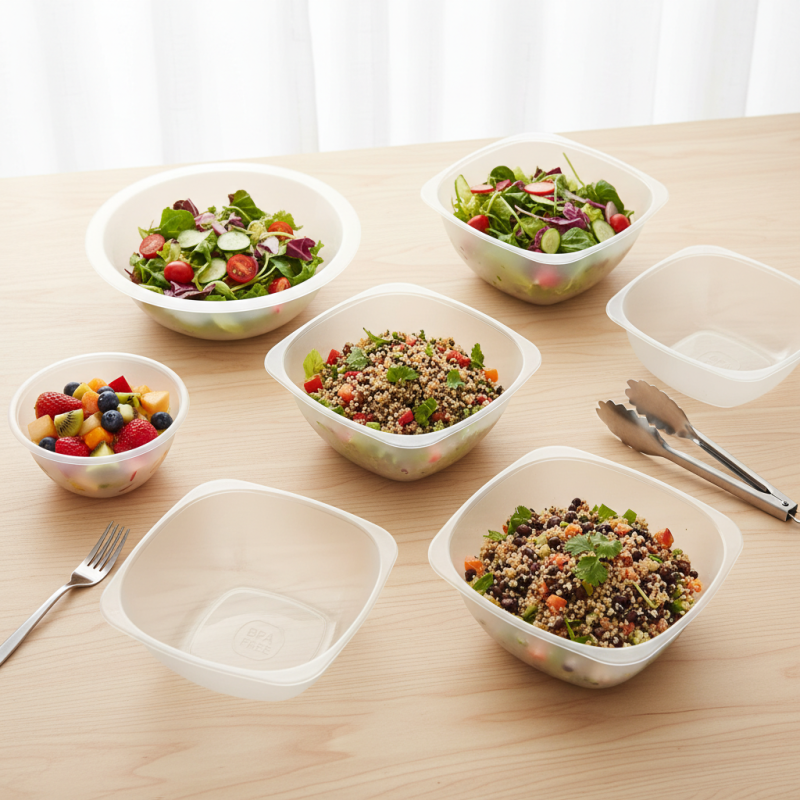
Choosing the Right Material for Plastic Salad Bowls
When selecting plastic salad bowls, it’s crucial to focus on material choice. Many types exist, but not all are created equally.
Polypropylene and polyethylene are common choices due to their durability and resistance to heat.
According to a recent industry report, over 40% of consumers prefer these materials for everyday use.
However, other factors must be considered. BPA-free options are vital for health-conscious consumers. A survey indicated that 66% of users avoid materials with harmful chemicals.
But many still unknowingly choose bowls that lack proper labeling. This can lead to long-term health risks that could easily be avoided.
Texture also plays a role. Smooth surfaces are easier to clean, while textured bowls may trap food particles. The choice depends on personal preference.
But remember, visual appeal should not overshadow functionality. Sometimes, the most attractive bowls are harder to maintain.
Make sure your selection reflects both aesthetics and practical use.
Factors to Consider When Selecting Salad Bowl Sizes
When selecting the right size for your plastic salad bowl, consider the number of servings you'll need. A bowl that is too small may leave ingredients spilling over, while one that is too large can make portions look small and uninviting. Aim for a bowl that comfortably holds your desired amount, allowing for tossing without mess.
Another factor is the type of salad you'll serve. A larger bowl works well for mixed greens and bulky ingredients, such as beans or grains. Conversely, if you're serving a simple side salad, a smaller bowl may suffice. Keep in mind that presentation matters; a visually appealing display can enhance the dining experience.
It’s easy to overlook the importance of size. Many people choose based on aesthetics rather than functionality. This can lead to frustration when preparing meals. If your bowl always feels inadequate or overwhelming, it might be time to reassess your choices. Consider your cooking habits and the types of gatherings you host. The right size can make all the difference in enjoying your culinary creations.
The Best Plastic Salad Bowls Tips for Choosing and Using Them? - Factors to Consider When Selecting Salad Bowl Sizes
| Size |
Capacity |
Material |
Features |
Best Use |
| Small |
1-2 quarts |
BPA-free plastic |
Lightweight, easy to store |
Individual salads, sides |
| Medium |
3-5 quarts |
Recyclable plastic |
Durable, microwave safe |
Family salads, pasta bowls |
| Large |
6-8 quarts |
Heavy-duty plastic |
Non-slip base, locking lid |
Party serving, large gatherings |
| Extra Large |
9+ quarts |
Food-grade plastic |
Stackable, freezer safe |
Large events, bulk salad prep |
Design and Aesthetic Elements in Salad Bowls
When selecting salad bowls, design and aesthetics play a crucial role. A well-designed bowl enhances the presentation of your salad, making it more appealing. Reports highlight that attractive dinnerware increases food enjoyment by up to 30%. Color, shape, and material all impact visual appeal. A vibrant bowl can lift a simple green salad to new heights.
Material choice matters. Plastic bowls are lightweight, durable, and often come in various colors and styles. They suit casual dining and picnic settings. However, plastic can lack the elegance of ceramic or glass. Mixing materials can create a unique aesthetic. Consider pairing a colorful plastic bowl with elegant utensils for a balanced look.
Tips: When choosing a salad bowl, think about size. A bowl that is too small can lead to spills. A larger bowl allows for tossing and mixing without mess. Look for options with different depths. Shallow bowls showcase ingredients beautifully, while deeper ones help keep everything contained. Balance style and function for the best results.
Maintenance and Care Tips for Longevity of Plastic Bowls
Caring for your plastic salad bowls ensures they last longer. Proper maintenance can prevent scratches and discoloration. Avoid using abrasive cleaners. These can damage the surface and reduce its lifespan. Instead, opt for mild soap and warm water.
Tip: Hand wash your plastic bowls with a soft sponge to maintain their quality. Be careful with the dishwasher. High heat may warp them over time. If they become cloudy, consider using a baking soda paste to restore clarity.
Store your bowls properly. Nesting them can save space, but make sure to place a soft cloth between each bowl. This prevents scratches. Always check for cracks or chips before use. A damaged bowl may not be safe for food.
Tip: Rotate usage among your plastic bowls. This distributes wear and tear evenly. If a bowl shows signs of excessive wear, think about replacing it. It's better to be cautious when it comes to food safety.
Safe and Effective Ways to Use Plastic Salad Bowls
Plastic salad bowls are practical for preparing and serving fresh salads. They are lightweight and easy to handle. However, safety is essential. Certain plastics can leach harmful chemicals. Therefore, always check for safety ratings. Look for bowls marked as BPA-free for added peace of mind.
When using plastic salad bowls, avoid using sharp utensils. Metal knives and forks can scratch the surface. Scratches may harbor bacteria. Instead, opt for wooden or silicone serving tools. This choice prolongs the life of your bowls. Ensure they are dishwasher safe for easy cleaning.
Storage is important too. Remember to stack your bowls neatly. If they become warped, they may not serve well. Keeping them in a cool, dry place helps maintain their shape. It's tempting to microwave them, but avoid it if they’re not microwave-safe. Safety first, always!
Conclusion
When selecting the best Plastic Salad Bowls, it's essential to consider the material used, as it impacts both durability and safety. Factors such as bowl size should also be taken into account, ensuring it suits your serving needs and the number of guests. Additionally, the design and aesthetic elements can enhance your dining experience, making it visually appealing.
To ensure the longevity of your Plastic Salad Bowls, proper maintenance and care are crucial. This includes following safe cleaning practices and avoiding exposure to extreme temperatures. Ultimately, understanding the safe and effective ways to use these bowls will help you enjoy delicious salads while maximizing the lifespan of your kitchenware.

 Premir Plastic Package