When it comes to selecting the right plastic packages, businesses must balance cost and quality. According to industry expert Dr. Jane Roberts, "The goal is to find packaging that meets your needs without breaking the bank." Her insights emphasize the importance of efficiency and budgeting in packaging choices.
Choosing cost-effective plastic packages involves more than just price tags. Factors like material durability, sustainability, and design play critical roles. A well-chosen package can enhance product visibility, reduce waste, and ultimately lead to customer satisfaction. However, companies often overlook these aspects, focusing solely on cost.
It's essential to revisit common assumptions about packaging. Many businesses assume that cheaper options will suffice. Yet, poorly made packages can lead to higher long-term expenses due to damage or customer return rates. Thus, knowing how to choose cost-effective plastic packages can significantly impact overall business success.
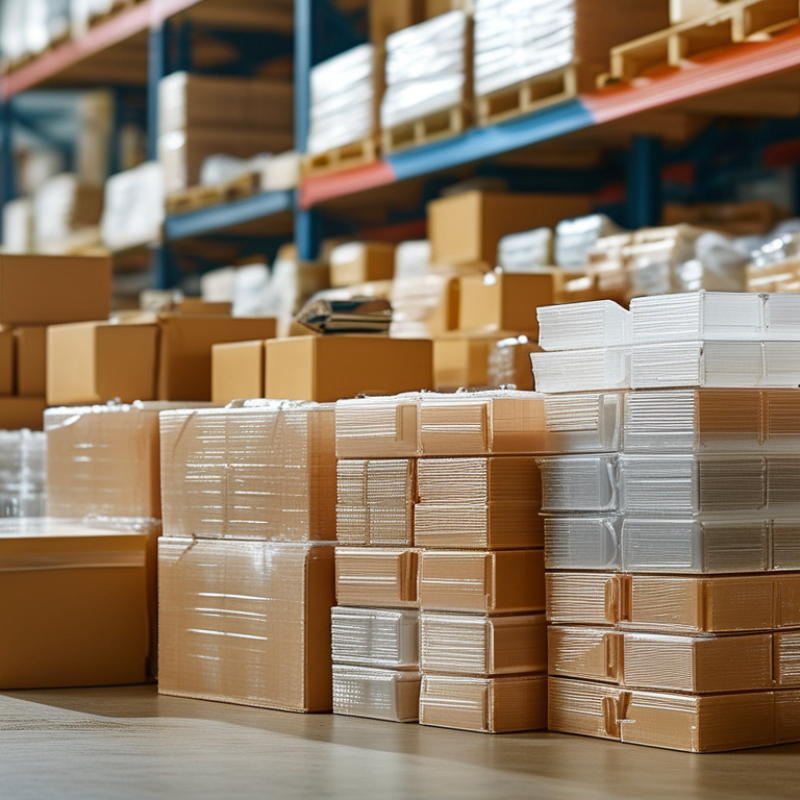
Cost-effective plastic packaging is essential for businesses looking to optimize expenses. Understanding its importance can significantly impact your bottom line. Cost-effective packaging reduces overall production costs while maintaining product integrity. This not only enhances profit margins but also meets consumer demand for affordable products.
Evaluating materials is crucial. Choose plastics that are durable yet lightweight. This balance can minimize shipping costs. Recycling options matter too. Seek materials that are easier to recycle, reflecting a commitment to sustainability. Additionally, invest in testing prototypes to ensure they meet quality standards. This process can help minimize waste and unexpected expenses.
Design plays a vital role in cost efficiency. Think about how the package will be used. Simple designs often save time and materials. Embrace innovative approaches to packaging that can offer additional savings. This may involve rethinking existing shapes or sizes to optimize space. Regularly assess packaging strategies to identify areas for improvement. Continuous reflection is key to staying competitive and efficient in the market.
: It helps businesses reduce production costs while maintaining product integrity. This boosts profit margins and meets consumer demand.
Choose durable and lightweight plastics to minimize shipping costs. Consider recycling options for sustainability too.
Simple designs save materials and time. Rethink shapes to optimize space and save costs effectively.
Research suppliers with positive reviews and case studies. Ensure they can meet your specific production needs.
Look beyond lower prices. Evaluate material quality, as cheaper options may lead to costly defects over time.
Using environmentally friendly materials reduces landfill waste and promotes a healthier planet. It's a responsible choice.
Yes, initial costs may be higher, but reusable designs can save money and build customer loyalty over time.
Obtain samples from suppliers to evaluate product effectiveness and durability. This step is crucial for informed decisions.
Feedback allows for improvements and aligns your packaging choices with evolving consumer values and preferences.
Yes, continuous reflection helps identify areas for improvement and keeps your business competitive in the market.
When considering how to choose cost-effective plastic packages, it's crucial to understand the significance of efficient packaging in reducing overall costs while meeting product specifications. Start by evaluating your packaging needs, ensuring that the selected materials align with the durability requirements of your products. Comparisons of various material types will help in determining which offers the best balance of cost efficiency and longevity.
Additionally, assessing supplier options is vital; look for competitive pricing without compromising on quality. Embracing sustainable practices in your packaging choices can also contribute to cost savings in the long run, as eco-friendly materials often appeal to environmentally conscious consumers. By following these steps, businesses can effectively navigate the landscape of plastic packaging, ensuring they make informed, budget-friendly decisions.

 Premir Plastic Package