Best Ways to Dispose of Plastic Packages in 2026?

Time:2026-06-22 Author:Ethan
0%

In 2026, the question "What is the best way to dispose of plastic packages?" becomes increasingly pressing. Renowned environmental expert Dr. Lisa Green emphasizes, "The future of our planet hinges on smarter waste disposal strategies." Her insights reflect a broader concern that resonates within our communities.

As plastic waste continues to accumulate, innovative solutions are essential. Traditional recycling methods may fall short. Many people overlook local programs or do not understand proper sorting techniques. For example, many plastic items are not recyclable, leading to confusion and frustration.

Educating ourselves about disposal will make a difference. Small steps can lead to significant impacts. Community clean-up initiatives and workshops can foster awareness, but there is still much to ponder. We must question our habits and the long-term effects on our environment. Finding an effective method to manage plastic packages is not just about convenience; it’s about creating a sustainable future for our planet.
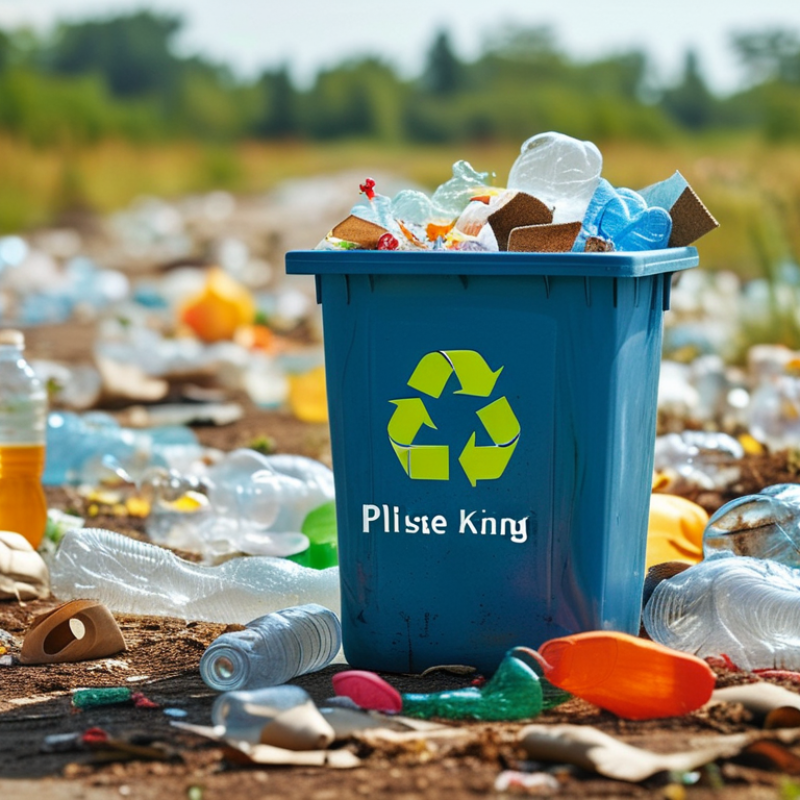
Best Ways to Dispose of Plastic Packages in 2026?

Best Practices for Recycling Plastic Packages in 2026

In 2026, recycling plastic packages has become essential. Good recycling practices can significantly reduce waste. Start by rinsing your plastic containers. Residues can contaminate recycling streams. A simple rinse can make a big difference.


Many communities now offer designated recycling bins. It's crucial to know your local guidelines. Not all plastics are recyclable. Check the symbols on packaging. Some plastics can only be recycled in specialized facilities. Misplaced items can lead to entire loads being sent to landfills.


Education on recycling is still lacking. Many are unaware of the best practices. Workshops and informational sessions can help improve understanding. Encourage neighbors to participate in recycling campaigns. Sharing knowledge builds a sense of community. On the flip side, recycling can sometimes feel overwhelming. The variety of rules may confuse some people. Continuous learning is key for effective and sustainable recycling efforts.

Innovative Technologies Shaping Plastic Waste Management

The future of plastic waste management in 2026 is being shaped by innovative technologies. Advanced recycling methods are gaining traction. For example, chemical recycling can break down plastics into their original molecules. This allows for new products without using virgin materials.


Biodegradable alternatives are also on the rise. Many companies are exploring plant-based plastics that decompose naturally. This shift may significantly reduce plastic pollution. However, there are challenges. Not all biodegradable plastics break down effectively in real-world conditions. Education on their disposal is crucial.


Moreover, smart waste management systems are emerging. AI and IoT can enhance recycling processes. These systems analyze waste types and improve sorting efficiency. Still, the technology faces resistance. Many individuals and companies need more awareness and guidance on proper disposal. Thus, creating a sustainable future demands continuous improvement, education, and adaptation.

The Role of Circular Economy in Plastic Disposal Solutions

The circular economy creates a system where plastic waste is minimized. In 2026, innovative disposal solutions will rely heavily on this model. According to the Ellen MacArthur Foundation, transitioning to a circular economy could reduce plastic pollution by up to 70%. This shift involves rethinking how we use and dispose of plastic packages.

One effective approach is enhancing recycling technologies. For example, advanced sorting facilities can increase recycling rates significantly. Reports indicate that adopting AI in sorting can improve efficiency by 30%. However, challenges remain. Many communities still lack access to advanced recycling services, leading to higher contamination rates.

Education is another crucial element. Consumers need to understand proper disposal methods. Research shows that over 50% of plastic waste comes from improper disposal. Creating awareness can bridge this gap. Involving local governments and businesses can enhance community efforts. While progress is evident, more work is required to ensure sustainable plastic disposal for future generations.

Best Ways to Dispose of Plastic Packages in 2026

Disposal Method Effectiveness (%) Environmental Impact (Low/Medium/High) Cost ($ per ton) Recyclability (%)
Mechanical Recycling 85 Medium 150 75
Chemical Recycling 70 High 250 90
Incineration with Energy Recovery 90 Medium 200 15
Landfill 20 High 50 0
Biodegradable Plastics 75 Low 300 70

Statistical Insights on Plastic Waste Generation and Recycling Rates

Plastic waste continues to pose significant environmental challenges in 2026. A recent report by the Global Plastic Pollution Observatory highlights that approximately 370 million tons of plastic were generated worldwide in 2022. Alarmingly, only 9% of this plastic was recycled. The rest ended up in landfills or ecosystems, leading to an urgent need for effective waste disposal methods.

In terms of recycling rates, the European Union has made strides. As of 2024, they achieved a recycling rate of 48% for plastic waste, according to the European Commission. However, many countries still lag behind, with less than 20% of plastic being recycled in parts of Asia and Africa. This disparity underscores the need for improved infrastructure and public awareness. Innovative approaches like deposit return schemes and community recycling programs are gaining traction, yet they remain underutilized in many regions.

As we look ahead, the responsibility lies with both consumers and policymakers. Encouraging shifts in consumer behavior can increase recycling rates. However, the existing systems must also evolve. Without adequate facilities and education, even diligent efforts by individuals may yield minimal results. There's much work to be done to create a sustainable approach to plastic packaging disposal by 2026.

Best Ways to Dispose of Plastic Packages in 2026

Government Regulations Impacting Plastic Packaging Disposal in 2026

As governments worldwide respond to environmental concerns, regulations on plastic packaging disposal are tightening. In 2026, many countries aim to achieve significant reductions in plastic waste. According to a report by the Global Plastics Alliance, nearly 30% of all plastic packaging is currently recycled, yet this number must increase. Stricter mandates could raise recycling rates to 50% by 2030.

These regulations often vary by region. Many local governments will introduce fees for single-use plastics, prompting consumers and businesses to reconsider packaging choices. In cities like Seattle and New York, bans on plastic bags aim to reduce dependence on these materials. These initiatives highlight an urgent need for innovation in biodegradable alternatives and robust waste management systems.

While these measures are necessary, challenges remain. Not all recycling facilities are equipped to process multi-layered materials. Consumer education is paramount—many remain unaware of how to properly dispose of plastic packaging. Efforts must intensify to bridge this knowledge gap. Continuous evaluation of waste management practices will enhance community engagement and participation, fostering a more sustainable environment by 2026.

FAQS

: What technologies are improving plastic waste management?

: Innovative technologies like chemical recycling and biodegradable alternatives are on the rise. They play a crucial role.

How can chemical recycling benefit plastic waste management?

Chemical recycling breaks down plastics into original molecules, allowing new products without virgin materials. This is promising.

Why is education important in plastic disposal?

Many biodegradable plastics do not decompose effectively. Educating consumers on disposal is vital for reducing contamination.

What role does the circular economy play in tackling plastic waste?

The circular economy minimizes plastic waste. It encourages rethinking how plastic is used and disposed of effectively.

How can AI improve recycling rates?

AI enhances sorting processes, increasing recycling efficiency significantly. Yet, many communities lack access to advanced recycling services.

Why are government regulations changing regarding plastic packaging?

Governments aim to address environmental concerns, tightening regulations to reduce plastic waste. Stricter mandates could boost recycling rates significantly.

What challenges do some recycling facilities face?

Not all facilities can process multi-layered materials. This hinders recycling efforts and increases contamination in recycled products.

How can community involvement improve plastic waste management?

Engaging local governments and businesses can enhance education and awareness about proper disposal methods. Active participation is essential.

What should consumers know about plastic packaging disposal?

Many are unaware of how to dispose of plastic properly. Education must address these gaps for better practices.

Is there progress in plastic waste management?

Yes, but ongoing work is needed. Continuous evaluation and adaptation can lead to more effective plastic disposal solutions in the future.

Conclusion

In 2026, addressing the question of "What is the best way to dispose of plastic packages?" involves a multifaceted approach that incorporates best practices for recycling and innovative technologies in plastic waste management. The implementation of a circular economy is vital, as it emphasizes the reuse and recycling of materials to minimize waste. With statistical insights revealing increasing plastic waste generation, it is essential to adapt to effective recycling systems and support sustainability initiatives.

Additionally, government regulations are shaping the landscape of plastic packaging disposal, impacting how individuals and businesses manage waste. By adhering to these regulations and embracing sustainable practices, society can significantly enhance recycling rates and contribute to a healthier environment. As we move forward, collaboration between stakeholders, advancements in technology, and a commitment to circular economy principles will be key to managing plastic waste effectively.

Ethan

Ethan

Ethan is a seasoned marketing professional with a deep expertise in our company's innovative product line. With a passion for sharing knowledge and insights, he takes the lead in regularly updating our corporate blog, where he explores industry trends, product features, and effective marketing......