In today's fast-paced world, packaging plays a critical role in product delivery. Many businesses face issues with fragile plastic packages. This raises the key question: How to prevent plastic packages from breaking? Effective strategies are essential for maintaining product integrity and ensuring customer satisfaction. Understanding the dynamics of packaging is more than a technical concern; it reflects the quality of the product inside.
Several potential solutions exist to enhance packaging durability. From selecting the right materials to implementing better cushioning techniques, each detail contributes to overall effectiveness. However, not all solutions are foolproof. Sometimes, despite best efforts, packages may still break. Analyzing these failures is crucial for continuous improvement. Each mishap should prompt reflection and innovation in packaging design.
By focusing on best practices and remaining open to new ideas, businesses can improve their packaging systems. Addressing the delicate balance between cost and quality is essential. While the goal is to eliminate breakage, occasional setbacks can provide valuable lessons. In the long run, this can lead to stronger, more reliable packaging solutions that meet consumer expectations.
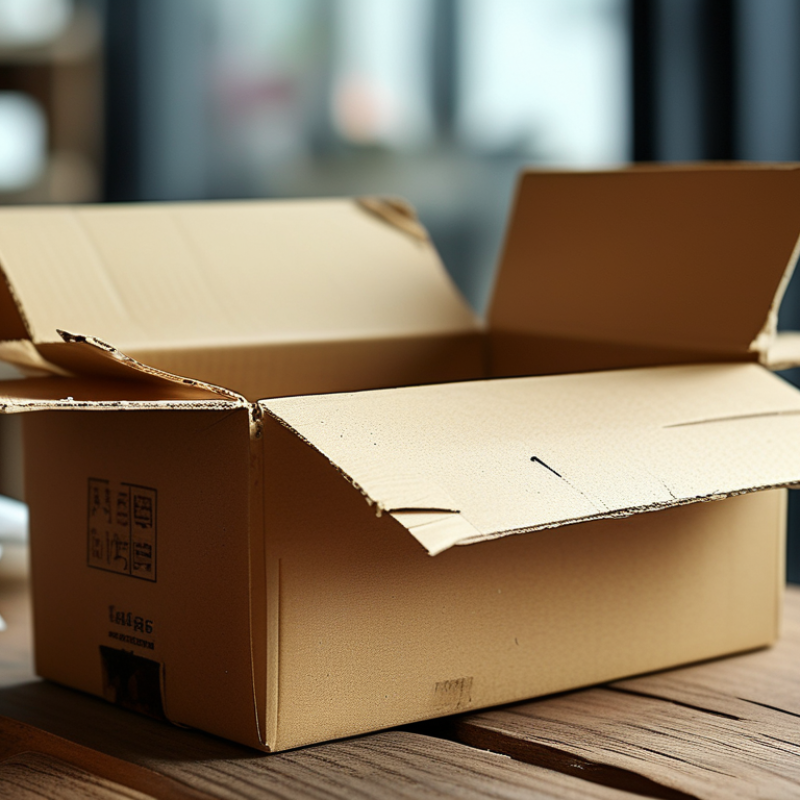
Choosing durable plastic packaging is crucial in preventing breakage during shipping and storage. A recent industry report by Smithers Pira highlighted that about 30% of plastic packaging fails to provide adequate protection, leading to significant losses. Ensuring high-quality material selection can reduce these risks.
Consider using high-density polyethylene (HDPE) or polypropylene (PP). These materials offer enhanced impact resistance, which is vital for fragile items. In addition, proper thickness and design can greatly influence durability. Many manufacturers overlook these aspects, leading to a high failure rate.
Implementing rigorous quality control measures during production is essential. This helps to identify weaknesses before the packaging reaches the market. Regular testing against industry standards can ensure reliability. Observing these best practices, companies can significantly reduce the chances of their packaging breaking.
Packaging design and engineering play a crucial role in product safety. When designing packaging, understanding material properties is essential. Different materials have unique strengths and weaknesses. For instance, cardboard is lightweight but may provide less protection than plastic. A thorough evaluation of materials can prevent damage during transportation.
Engineers must also consider the product's journey. The packaging experiences various stresses, such as dropping or stacking. The design should include features like cushioning and support. Even with the best materials, poor design can lead to failure. Testing package performance under real conditions is vital.
Consumer experience matters too. An aesthetically pleasing design can attract attention but shouldn't compromise durability. Balancing visual appeal with protective features is a challenge. Regular feedback from customers can highlight potential improvements. Engaging with experts in material science and engineering can lead to better foresight. Continuous reflection on packaging effectiveness will drive innovation and reduce breakage.
When optimizing packaging size and weight, it’s essential to focus on materials and design. A lightweight, sturdy material can reduce breakage during transit. Consider using recyclable materials that offer durability yet keep the weight down. Balancing resilience and lightness often presents challenges. Many companies overlook this aspect, leading to unnecessary shipping costs and higher carbon footprints.
Another effective technique is customizing the package size. A snug fit minimizes movement inside the box. Using custom molds can significantly cut down waste and save on materials. However, the process of creating custom sizes may require additional upfront investment and analysis. Not every product warrants a tailored approach; some might benefit from standard options instead.
Inspecting your packaging design regularly can lead to improvement. Gather feedback from users about the package's performance. This practice aids in identifying weaknesses. It can be surprising how a small design flaw leads to issues. Reflecting on these aspects will not only enhance product protection but also improve sustainability efforts.
Transporting plastic packages requires effective handling strategies to prevent breakage. According to industry reports, nearly 30% of damages during transportation are due to improper handling. This underscores the importance of training personnel in best practices for packaging and handling. Employees should understand how to lift, stack, and secure packages effectively to minimize risk.
Using appropriate packaging materials can also enhance protection. Data suggests that investing in high-quality cushioning and protective barriers can reduce damage rates by up to 20%. However, companies often overlook the significance of environmental factors, such as temperature and humidity, during transport. These conditions can affect the integrity of packaging materials, making it crucial to monitor the shipping environment.
Regular audits of shipping processes can identify areas needing improvement. Many companies fail to realize that a small change in procedure can yield significant results. Reviewing packaging integrity on arrival helps in gathering data on recurring issues. This fosters a culture of continuous improvement, leading to more robust handling methods. Ultimately, prioritizing safety measures and awareness contributes to reducing plastic package breakage.
| Tip Number | Tip Description | Implementation Strategy | Expected Outcome |
|---|---|---|---|
| 1 | Use High-Quality Materials | Select stronger plastics and reinforced packaging materials. | Reduced package breakage during transport. |
| 2 | Optimize Package Design | Design packages to minimize empty space and maximize strength. | Enhanced stability and protection. |
| 3 | Implement Cushioning Techniques | Add padding materials such as bubble wrap or foam inserts. | Improved protection against shocks and impacts. |
| 4 | Choose Appropriate Size | Ensure package sizes match product dimensions closely. | Reduced movement and damage risk during shipping. |
| 5 | Train Handling Staff | Conduct workshops on careful handling and transportation practices. | Decreased accidental damages during handling. |
| 6 | Monitor Environmental Conditions | Use climate controls during storage and transport. | Prevention of material degradation due to temperature or humidity. |
| 7 | Use Custom Shipping Boxes | Develop boxes tailored to the specific product shapes. | Improved fit leads to less damage. |
| 8 | Conduct Quality Checks | Implement a quality control system for packaging integrity. | Ensured delivery of undamaged products. |
| 9 | Encourage Customer Feedback | Solicit customer reports on package damages. | Gather insights for continuous improvement. |
| 10 | Leverage Technology | Use tracking and monitoring tools during transport. | Proactive responses to potential damage. |
Regularly reviewing and updating packaging standards is essential in reducing breakage during transit. Companies often overlook the importance of using the right materials for specific products. Utilizing lightweight, durable materials can minimize damage. It's crucial to test packaging through various conditions to ensure its reliability. This approach not only protects products but also enhances customer satisfaction.
Consider packaging designs that allow for better stacking and support. A poorly designed package may look appealing but fail to provide adequate protection. Product testing is vital to identify weaknesses in packaging. Engage in regular assessments to adapt to changes in shipping methods or climatic conditions. This ongoing evaluation process helps in maintaining high packaging standards.
Pay attention to the feedback from customers regarding packaging performance. Understanding their perspective can reveal flaws that experts might miss. Making changes based on real-life experiences improves overall quality. However, companies should also be willing to reassess their practices continuously. Effective packaging is a dynamic, evolving field that needs constant innovation.
: Packaging design ensures products are protected during transit. It prevents damage and maintains quality.
Each material has strengths and weaknesses. Light materials like cardboard may not offer enough protection.
Packaging faces dropping, stacking, and other stresses. Designing for these conditions is crucial for reliability.
Attractive designs can attract buyers. However, durability should not be sacrificed for looks.
Customer feedback reveals areas for improvement. Listening to their experiences can drive necessary changes.
Real-world testing identifies design weaknesses. It ensures packaging can withstand various shipping scenarios.
Regularly reviewing practices helps adapt to new challenges. Companies should not overlook the importance of updates.
Visual appeal must align with protection. A package can look good but still fail in functionality.
Reliable packaging prevents damage and improves overall satisfaction. Customer perspectives often highlight hidden flaws.
Ongoing evaluation encourages innovation. A dynamic approach can significantly reduce breakage rates during transit.
To effectively address the question of how to prevent plastic packages from breaking, it is essential to consider several key factors. First, selecting durable plastic packaging materials is crucial for enhancing the resilience of the packages. Understanding the role of thoughtful packaging design and engineering can also contribute significantly to preventing damage during transit.
Furthermore, optimizing packaging size and weight helps reduce stress on the materials, while implementing effective transportation and handling strategies ensures that packages are managed correctly throughout the shipping process. Regularly reviewing and updating packaging standards and practices also plays a vital role in maintaining the integrity of plastic packages, ultimately leading to a reduction in breakage and improved satisfaction for both businesses and consumers.

Premir Plastic Package