In today's fast-paced world, packaging efficiency is critical. Protecting goods during transport relies heavily on the sturdiness of plastic packages. However, many people overlook the fragility that can often lead to damages. This article delves into practical strategies on how to prevent plastic packages from breaking.
Understanding the factors contributing to package failure can enhance your shipping experience. Poor sealing, inadequate cushioning, and improper handling are common issues. By recognizing these pitfalls, you can improve packaging practices. Implementing thoughtful techniques ensures your products arrive safely, preserving their integrity and quality.
Creating a systematic approach to package protection is essential. The right materials and techniques can reduce breakage rates significantly. While perfection in packaging may seem elusive, even minor adjustments can yield substantial improvements. Reflecting on past experiences will guide you in adopting better methods. Reliable practices not only protect products but enhance customer satisfaction and trust.
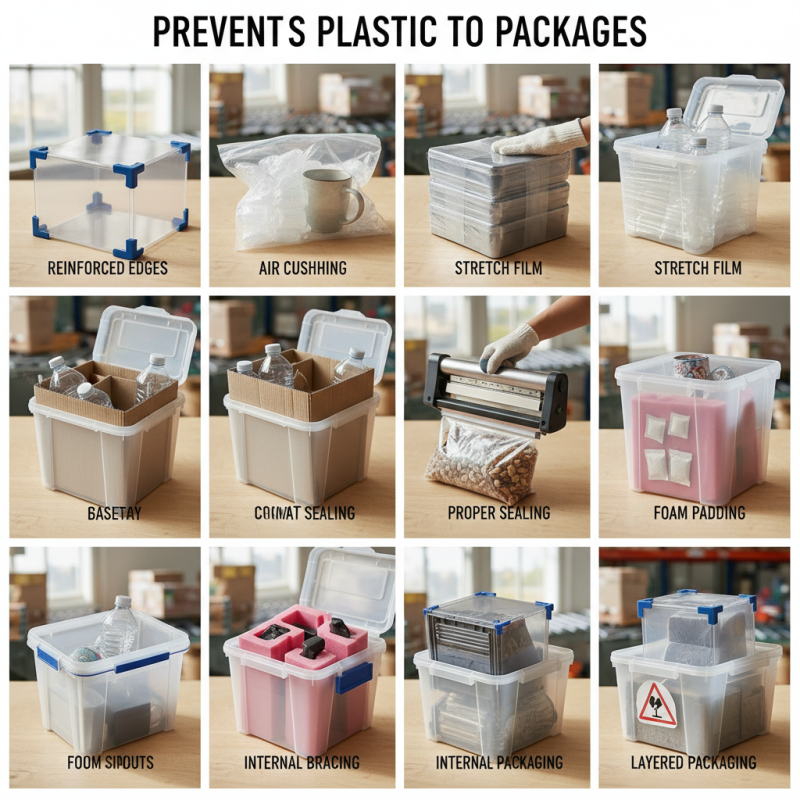
Plastic package breakage is a common problem. It leads to product loss, increased costs, and waste. Understanding how to prevent it is crucial for businesses and consumers alike. Fragile items need extra care during packaging. Simple measures can significantly enhance the durability of these packages.
Using thicker plastic materials can help. They are less likely to tear or break under pressure. Moreover, proper sealing is vital. A poorly sealed package allows air to enter, compromising its integrity. Consider using cushioning materials. Bubble wrap or foam inserts can protect items during transport. The goal is to reduce movement inside the box.
Inspecting packages regularly is essential. Doing so can identify weak spots or potential issues early. This aspect often gets overlooked, resulting in surprises during delivery. Training staff on proper handling techniques is important as well. People are often careless when handling packages. Mindful handling can make a difference. It reduces the chances of breakage significantly. Each step taken towards packaging improvement is a step towards sustainability.
Choosing high-quality materials is essential for ensuring the durability of plastic packages. This process starts with understanding the specific needs of the product being packaged. Some materials resist impact better than others. For instance, thicker plastics provide better protection against pressure during transit.
Tip: Consider using reinforced polyethylene for fragile items. Its added thickness offers extra strength. This can significantly reduce breakage rates. Testing the material in real-world scenarios helps identify weaknesses. If the product can endure rough handling, you have a good winner.
Another worthwhile tip is to evaluate the sealing method. Strong seals prevent packages from opening unintentionally. A weak seal guarantees an increased probability of breakage. Efficient sealing techniques protect products throughout their journey, especially in challenging environments.
Choosing the right size also plays a role. Oversized packages can lead to unnecessary movement, risking damage. Packaging that fits snugly and minimizes empty space is often more effective. This ongoing effort to refine materials is crucial for enhanced durability. Keep seeking feedback and improve your strategies.
In today's fast-paced world, effective packaging techniques are essential for ensuring product safety. Research indicates that nearly 30% of packaged products are damaged during storage and transportation. Adopting proper packaging methods can significantly reduce this risk, protecting both the products and the environment.
One key tip is to use cushioning materials. Bubble wrap, foam inserts, and biodegradable fillers can absorb shocks. According to a study by the Packaging Institute, packaging with adequate cushioning can reduce damage rates by up to 50%. Aim for a snug fit; too much space can lead to shifting during transit.
Another important aspect is clamping or sealing techniques. Proper seals prevent air and moisture exposure. Weak seals can lead to product degradation. A report from the International Safe Transit Association states that inadequate sealing is a leading cause of product failure. Invest in quality adhesives and consider double-sealing critical areas.
Lastly, ensure boxes are of the right size and strength. Underestimating box dimensions can lead to crumpling, while overestimating may result in unnecessary material use. Ensure you choose corrugated cardboard that meets industry standards for strength. Over 20% of packaging waste relates to excess material usage, which could be reduced with better choices. Small adjustments enable businesses to enhance protective measures and contribute positively to sustainability.
Ensuring the safe transport of plastic packages requires attention to detail. Proper handling practices can significantly reduce the risk of breakage. For instance, using the right type of packaging material adds a layer of protection. Bubble wrap or foam inserts can absorb shocks during transit. This simple addition can save many packages from damage.
Training staff in effective handling techniques is crucial. Educating them on the importance of gentle handling reduces the likelihood of accidents. Regularly conducting safety drills can also reinforce best practices. However, we must acknowledge that human error can still occur. Mistakes happen, even among trained professionals. Continuous improvement should be part of the culture.
Investing in quality transportation methods is essential. Using vehicles that minimize vibrations can prevent packages from breaking. Regular maintenance of these vehicles ensures they operate smoothly. However, not every route will be ideal. Poor road conditions can pose challenges, requiring constant evaluation and improvement. Flexibility in operations can help address these issues.
Conducting regular inspections and damage assessments on packages is crucial for preventing breakage. Inspections help identify weak points in packaging that may lead to vulnerabilities. By examining the integrity of materials and seals, businesses can proactively address potential issues.
Tip 1: Train staff to recognize signs of wear. Ensure they know how to handle packages gently. This reduces the chance of damage during transport. A quick visual check can save money and time later.
Tip 2: Use standardized assessment checklists. These can guide employees through critical inspection points, like checking for cracks or loose seals. A systematic approach ensures consistency across inspections.
Evaluating the packaging process reveals areas for improvement. Regularly assess how packaging materials perform against different conditions. This reflection helps refine practices and ensures more reliable package performance. By fostering a culture of quality checks, organizations strengthen their overall commitment to preventing damage.
: Effective packaging protects products during storage and transportation. It can significantly reduce damage rates.
Cushioning materials like bubble wrap and foam absorb shocks. This reduces the risk of damage during transit.
Weak seals lead to air exposure and product degradation. Proper sealing methods prevent this issue.
Choose the right size and strength for boxes. Proper dimensions prevent crumpling and reduce material waste.
Training staff on gentle handling techniques reduces accidents. Regular drills help reinforce best practices.
Invest in vehicles that minimize vibrations. Regular maintenance of these vehicles is crucial for safe transport.
Yes, mistakes can happen even with trained staff. Continuous improvement should be a focus to minimize errors.
Evaluate routes often to address challenges from poor conditions. Flexibility in operations can help mitigate these issues.
To effectively address the question of how to prevent plastic packages from breaking, it is crucial to first understand the significance of minimizing breakage in packaging. High-quality materials play a vital role in enhancing the durability of plastic packages. Selecting robust plastics can significantly reduce the likelihood of damage during transport and handling processes. Additionally, employing proper packaging techniques, such as reinforcing corners and ensuring snug fits, can provide added protection.
Furthermore, implementing effective transportation and handling practices is essential for maintaining package integrity. This includes training staff on careful handling and using appropriate transporting equipment. Regular inspections and damage assessments also contribute to identifying potential vulnerabilities in packaging, allowing for timely measures to reinforce them. Collectively, these strategies provide a comprehensive approach to prevent plastic packages from breaking, ensuring safer delivery and satisfied customers.

Premir Plastic Package