Choosing the right plastic packaging for your products is crucial to success. According to Dr. Emily Richards, a leading expert in sustainable packaging solutions, "The right plastic package can enhance product appeal while ensuring environmental responsibility." This statement highlights the balance businesses must strike between aesthetics and sustainability.
Understanding how to choose the right plastic package for products involves considering various factors. Think about the product's nature and usage. Different products may require unique properties, such as durability or flexibility. It's also important to consider shelf life—does your product need to be protected from moisture or light?
Mistakes in choosing plastic packaging can lead to wasted resources and customer dissatisfaction. Reflecting on past choices is vital. Packaging is not just a container; it's an extension of your brand. The right choice can signify your commitment to quality and sustainability. Balancing these elements can be challenging but essential for long-term success.
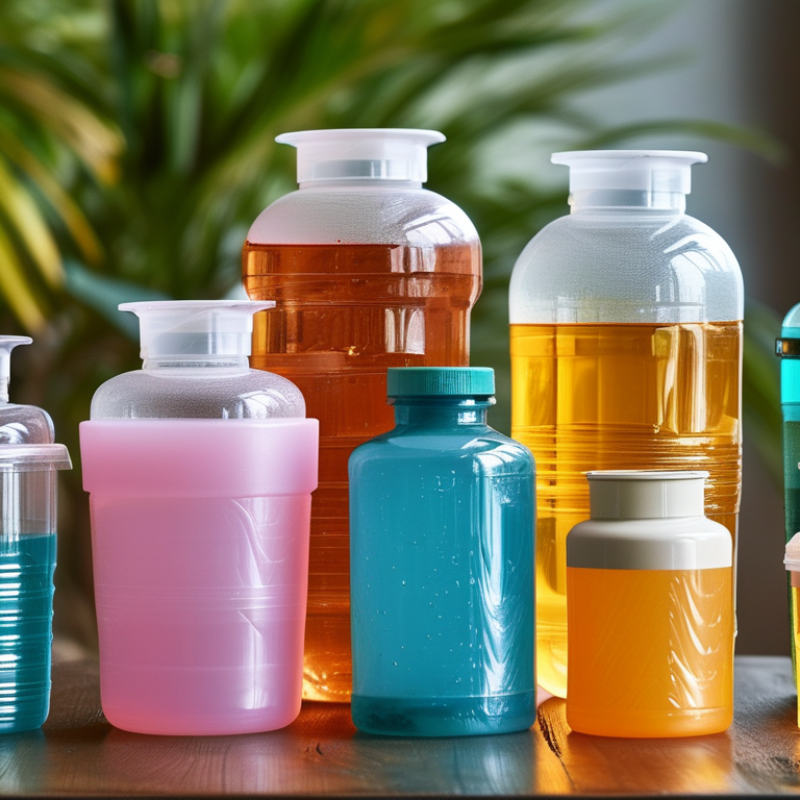
When selecting plastic packaging, understanding the various materials available is essential. Polyethylene (PE) is widely used for its flexibility and strength. Polypropylene (PP) offers resistance to heat and is often chosen for its clarity. These two types account for a significant share of the global plastic packaging market, which is projected to reach $1.1 trillion by 2026, according to industry reports.
Tips for selection: Consider your product’s needs. For food items, look for materials that meet safety standards. PE and PP are generally safe for food contact. However, not all plastics are recyclable, so you must weigh functionality against environmental impact.
Another important aspect is the barrier properties of plastic. For instance, polyvinyl chloride (PVC) is great for preventing moisture but can pose health concerns. Not all materials are ideal for every product. Sometimes, a blend of materials is necessary to achieve the desired performance. It’s a balancing act between cost, functionality, and sustainability. Regularly assessing your packaging’s effectiveness can lead to better choices.
Choosing the right plastic packaging for your products starts with understanding their specific needs. Each product has unique characteristics that influence packaging choices. For example, consider the weight, shape, and fragility of your item. A heavy or delicate product may require thicker materials. On the other hand, lightweight items can use more flexible options.
Temperature sensitivity is another critical aspect. If your product needs temperature control, insulative packaging can help maintain quality. It’s essential to assess how the packaging interacts with the product. Does it protect from moisture, dust, or UV light? For instance, clear packaging might display your product beautifully but may not offer adequate protection.
Think about sustainability too. Consumers are increasingly aware of environmental impacts. Using recyclable materials might enhance your brand reputation. However, not all eco-friendly options will suit every product. Test different materials to find a balance between protection and sustainability. Reflecting on these factors ensures that your packaging aligns with your product's requirements. The right choice can elevate your brand and protect your items effectively.
| Product Type | Packaging Material | Optimal Thickness (microns) | Barrier Properties | Sustainability Rating |
|---|---|---|---|---|
| Food Products | PET | 200 | High moisture and oxygen barrier | Recyclable |
| Cosmetics | PP | 300 | Good chemical resistance | Moderately recyclable |
| Household Products | HDPE | 400 | Moisture resistant | Recyclable |
| Pharmaceuticals | PVC | 250 | Excellent barrier against gases | Limited recyclability |
| Beverages | PET | 250 | Good gas barrier | Recyclable |
Choosing the right plastic packaging goes beyond just functionality and cost. One critical factor is sustainability. More consumers are demanding eco-friendly packaging. This trend motivates companies to explore greener options. Using recycled materials can significantly reduce environmental impact. Even small changes in packaging can make a difference.
It's important to evaluate the entire lifecycle of plastic products. Consider the sourcing of materials and the manufacturing process. Are these processes energy efficient? Do they emit harmful pollutants? Companies often overlook these crucial details. Assessing the end-of-life options for plastic is also vital. Can the packaging be reused or easily recycled? Understanding these aspects can guide businesses toward more responsible choices.
Transparency in packaging is essential. Brands should communicate their sustainability efforts clearly. Customers appreciate knowing how products were packaged. Misleading claims can lead to distrust. Not every eco-option is a perfect solution. Exploring innovative materials and sustainable practices requires ongoing effort and reflection. Balancing functionality and sustainability often poses a challenge. The path to responsible packaging isn’t just about meeting regulations; it’s about striving for continuous improvement.
Choosing the right plastic packaging involves balancing cost-effectiveness and budget constraints. Companies often face tight budgets. Understanding your material options can significantly impact costs. Not all plastics are created equal. Some may add unnecessary expenses without offering real value.
Tips: Always compare costs of various plastic types. Conduct research to find the most economical choice. Consider long-term durability. Cheaper options may lead to higher replacement or shipping costs.
It’s essential to think about production volumes. High-volume orders might reduce per-unit costs significantly. However, if demand is unpredictable, investing too much upfront can strain budgets.
Tips: Explore flexible packaging solutions for smaller runs. They can often provide significant savings without sacrificing quality. Engage with suppliers who understand your budget and needs. Their expertise can help identify the most suitable materials and methods.
When selecting plastic packaging, understanding regulatory standards is crucial. Different countries have unique regulations regarding plastic materials. For instance, food-grade plastics must meet specific safety criteria. Always verify whether the plastic complies with local standards.
Safety requirements are constantly evolving. Packaging should be tested for harmful substances. Understanding the type of plastic is essential. Some plastics may release toxins under certain conditions. Ensure your materials are safe for consumers and the environment.
Keep in mind consumer preferences as well. Many customers are concerned about sustainability. Using recycled materials could enhance your brand's reputation. However, balancing safety and eco-friendliness can be challenging. Be transparent about your choices and welcome feedback.
: Consider the product's weight, shape, and fragility. These aspects influence packaging choices.
Temperature-sensitive products need insulative packaging to maintain quality. Reflect on how it protects the item.
Not necessarily. Eco-friendly options might not suit every product. Testing is essential for the right balance.
Consumers increasingly demand sustainable packaging. This trend can enhance your company's reputation.
Evaluate the sourcing, manufacturing, and end-of-life options. Consider energy efficiency and recycling potential.
Be transparent about packaging methods. Customers appreciate clear information about eco-conscious practices.
Yes, even minor adjustments can significantly reduce environmental impact. Reflect on continuous improvements.
Balancing functionality and eco-friendliness can be difficult. Ongoing effort and innovation are necessary.
Misleading claims can lead to customer distrust. Transparency is crucial for maintaining credibility.
Consider product protection, sustainability, and customer expectations. Each choice should align with the product’s needs.
When considering "How to choose the right plastic package for products," it is essential to begin by understanding the various types of plastic packaging materials available. Each type offers unique benefits that may cater to different needs based on the nature of the product. Assessing these specific needs, whether concerning durability, flexibility, or protection, is pivotal in making an informed choice.
Additionally, evaluating sustainability options is increasingly relevant as consumers become more environmentally conscious. Exploring eco-friendly materials and recycling capabilities can enhance the product's appeal. Cost-effectiveness must also be taken into account, as packaging should align with budget constraints without compromising quality. Finally, navigating regulatory standards and safety requirements is crucial to ensure compliance and consumer safety. This comprehensive approach will help in selecting the optimal plastic packaging for your products.

Premir Plastic Package