Choosing the right Plastic Security Seals can make a significant difference in securing your valuables. These seals serve as a visible deterrent against tampering and unauthorized access. They come in various designs, materials, and lock mechanisms. Selecting the best option may feel overwhelming.
To simplify your decision, consider your specific security needs. Think about where and how you plan to use the seals. For example, if you need seals for shipping, durability is crucial. You want seals that can withstand rough handling. Moreover, color-coding can help in identifying different shipments, adding another layer of organization.
However, it’s easy to overlook smaller details. Many users focus only on price or appearance. While affordability is important, the seal’s integrity must not be compromised. An ineffective seal could lead to costly losses. In this guide, we will explore essential factors that influence your selection process for Plastic Security Seals.
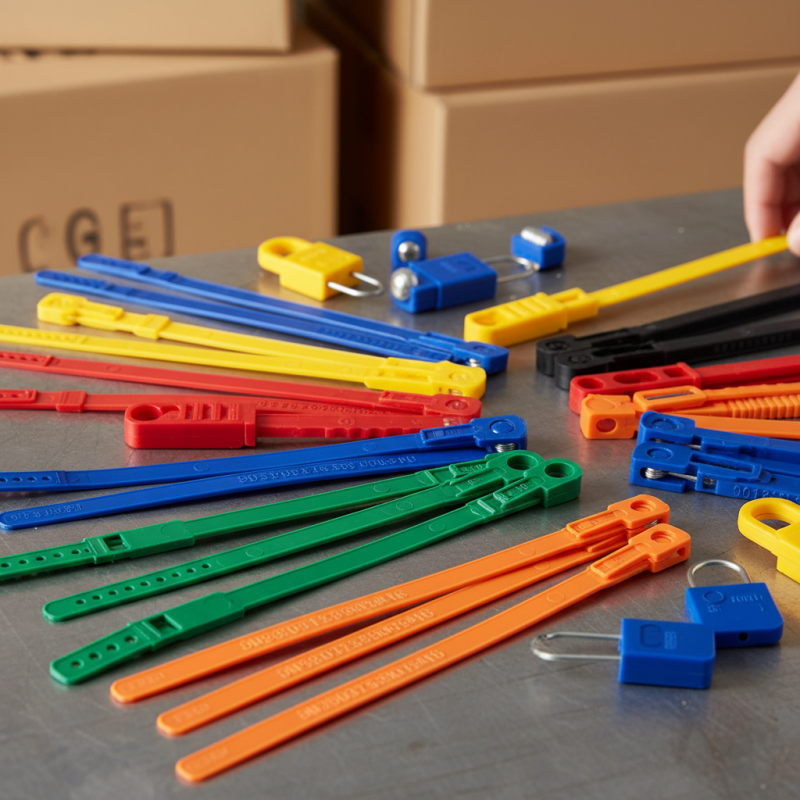
Understanding the Purpose of Plastic Security Seals in Various Industries
Plastic security seals play a vital role in various industries. They help prevent unauthorized access and ensure the integrity of products. In logistics, for instance, these seals secure cargo containers during transport. A broken seal signals potential tampering, which alerts stakeholders.
In retail, plastic seals protect merchandise from theft or damage. Stores often use them on electronics or high-value items. They not only deter theft but also enhance trust with customers. However, some seals may break easily under pressure, which can lead to uncertainty. It’s crucial for businesses to select robust options that suit their specific needs.
In the food industry, seals guarantee quality and safety. They help maintain temperature and prevent contamination. Yet, if a seal is not monitored properly, products may spoil regardless of the seal's integrity. Choosing the right plastic security seal involves understanding these distinct functions. Each industry has unique requirements that should be carefully evaluated.
Key Factors to Consider When Selecting Plastic Security Seals
When choosing plastic security seals, there are key factors to consider. One of the most critical aspects is the material quality. Industry reports indicate that seals made from high-density polyethylene (HDPE) offer greater durability. These seals are resistant to weathering and can withstand rough handling. A poorly made seal can compromise security, so investing in quality is vital.
Another important factor is the type of closure mechanism. Different seals employ various locking systems. For example, some use a simple twist lock while others feature more complex mechanisms. The latter can prevent tampering more effectively. It’s vital to assess what level of security your application requires. A report showed that 40% of security breaches occur due to inadequate seal mechanisms. Thus, understanding your needs is essential.
Finally, consider your operational environment. Seals exposed to extreme temperatures may need specialized materials. Some seals are designed specifically for cold storage, where typical plastic may fail. The choice of color and customization options also plays a role. Visual identification can deter tampering, but overly complicated designs can confuse users. Evaluating all these factors carefully helps ensure you choose the right plastic security seal.
How to Choose the Best Plastic Security Seals for Your Needs? - Key Factors to Consider When Selecting Plastic Security Seals
| Factor |
Description |
Importance Level |
| Material Quality |
Look for high-density polyethylene (HDPE) or polypropylene for durability. |
High |
| Tamper-evidence |
Select seals that show clear signs of tampering. |
Critical |
| Customizability |
Consider seals that can be printed or embossed with your logo or serial numbers. |
Medium |
| Locking Mechanism |
Evaluate the locking mechanism for ease of use and security strength. |
High |
| Resistance to Environmental Factors |
Make sure seals resist UV light, moisture, and temperature changes. |
Medium |
| Regulatory Compliance |
Check if seals meet industry standards and regulations for security seals. |
High |
| Cost |
Evaluate the cost-effectiveness in relation to the security features they provide. |
Medium |
Types of Plastic Security Seals and Their Unique Features
When it comes to plastic security seals, there are several types to consider. Each type has its own unique features that cater to different needs. The most common are the snap tie seals, which are easy to apply and provide visible tampering. These seals are ideal for packaging and logistics. Another popular option is the pull-tight seal, which offers a secure closure with adjustable tension. This makes them suitable for various applications, including secure transport.
Then there are the tamper-evident seals. They are designed to show clear signs of tampering. This feature is essential in situations requiring transparency. In certain settings, such as warehouses or shipping facilities, knowing if a seal has been compromised is crucial. While these seals provide benefits, they also require careful monitoring. Users must be mindful of the potential for wear over time.
Understanding these distinctions is important. However, it can lead to confusion. It's not always clear which seal fits your particular needs. Each option has varying levels of security and ease of use. Misjudging this can lead to improper sealing practices. Ensure to evaluate your specific requirements before making a decision.
Types of Plastic Security Seals
Evaluating the Durability and Strength of Plastic Security Seals
When evaluating the durability and strength of plastic security seals, several factors matter. The material used plays a crucial role. High-quality plastic can withstand various environmental conditions. For instance, seals exposed to extreme temperatures may become brittle. Therefore, checking the temperature resilience is vital.
Another factor to consider is tensile strength. A strong seal should resist pulling and tearing without breaking. This attribute ensures that the seal stays intact during transportation or storage. Some seals may look robust but fail under stress. It is essential to look at product specifications and testing results.
Lastly, consider the design of the seal. Unique features can enhance security. This includes tamper-evident designs, which show clear signs of interference. However, not every seal with advanced design is automatically more durable. Assessing real-world performance is critical. Engaging with other users' experiences can provide valuable insights into durability.
Cost versus Quality: Finding the Best Value for Plastic Security Seals
When selecting plastic security seals, cost and quality often collide. A recent report by the
Security Seal Manufacturers Association revealed that 45% of companies
prioritize cost over quality. This approach can lead to inadequate protection and increased risks. It’s essential to evaluate what
your specific needs are. Choosing the cheapest option may save money upfront, but could result in greater losses later.
Moreover, a study found that seals with a low tensile strength fail 30% more often than
those made with higher-quality materials. This failure rate can compromise security and lead to financial losses.
Cost-saving measures should not overlook the crucial aspect of durability.
It's worth considering how much you're willing to risk. Does saving a few cents per seal really equate to the potential theft
or loss incurred from compromised security? It's a balancing act. Investing in quality seals can reduce overall expenses
related to lost products or security breaches. While affordability is important, it should not come at the expense of
reliability and effectiveness.
Conclusion
Plastic security seals play a crucial role across various industries by ensuring the integrity and security of products and assets. Understanding their purpose helps businesses identify the right solutions for their specific needs. When selecting plastic security seals, key factors include their intended use, features, durability, and overall strength. Different types of seals offer unique characteristics tailored to various applications, making it vital to evaluate these options carefully.
Furthermore, balancing cost and quality is essential for obtaining the best value in plastic security seals. Businesses should consider not only the price but also the reliability of the seals under different conditions. This comprehensive approach enables organizations to choose the most effective plastic security seals that meet their requirements while ensuring security and performance.

 Premir Plastic Package