How to Properly Clean Reusable Plastic Packaging for Safety?

Time:2026-06-10 Author:Oliver
0%

Reusable plastic packaging is increasingly common in our daily lives. These containers are practical and environmentally friendly, but cleaning them properly is essential for safety. Many people overlook this important step. How to clean reusable plastic packages correctly is a question that deserves attention.

To ensure safety, users must understand the best cleaning practices. Improper cleaning can leave harmful residues. For example, food particles can breed bacteria if not removed effectively. It's crucial to use appropriate cleaning agents and methods tailored to the specific type of plastic. Understanding materials is key. Not all plastics react the same way to various cleaners.

Moreover, while some may feel confident in their cleaning habits, a lack of thoroughness can pose risks. It’s vital to reflect on personal cleaning routines. Are they sufficient? Are they consistent? Taking the time to reconsider these habits can lead to better safety for you and your family.
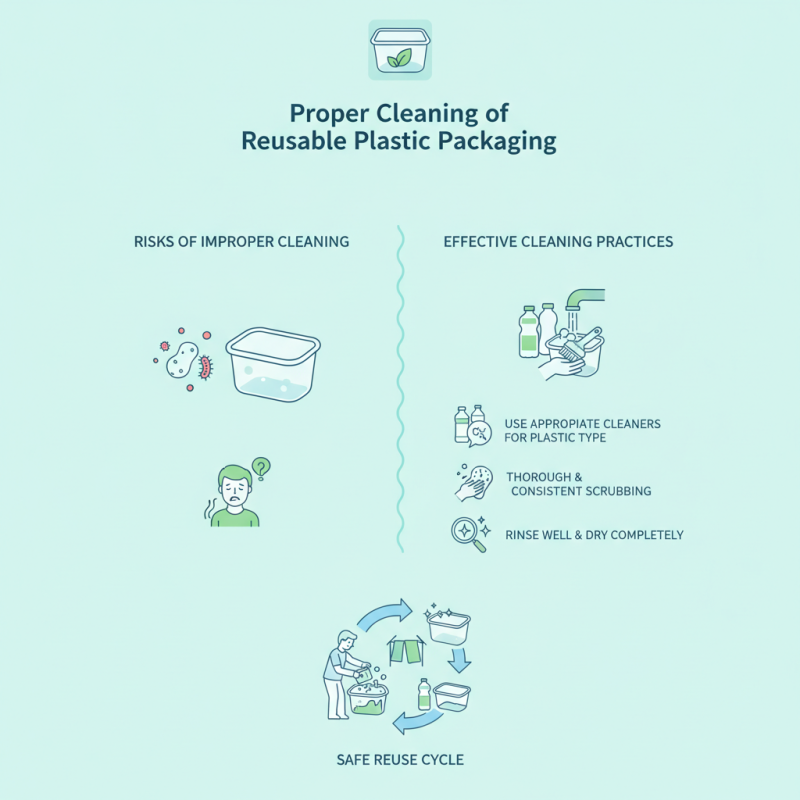
How to Properly Clean Reusable Plastic Packaging for Safety?

Understanding the Importance of Cleaning Reusable Plastic Packaging

Cleaning reusable plastic packaging is crucial for safety. Residues from food can harbor bacteria, leading to potential health risks. Often, we may overlook the importance of thorough cleaning. This oversight can lead to contamination, especially if packaging is reused without proper sanitation. Each time you use plastic containers, you should consider the hidden dangers.

Cleaning is not just about aesthetics. It involves eliminating germs and ensuring that no residues remain. Many people underestimate the effort required. Using hot soapy water and a scrub pad can help, but it's not always enough. Pay attention to the corners and crevices where food particles can hide. A quick rinse might seem sufficient, but it rarely is.

After washing, drying is critical. Moisture can encourage mold growth. Many forget to let their containers dry completely before reuse. This step is simple yet often neglected. Consider using a drying rack instead of just stacking containers. Regularly inspect your packaging for scratches or cracks, as they can harbor bacteria. Effective cleaning is an ongoing commitment, requiring awareness and diligence.

Assessing the Types of Contaminants in Plastic Packaging

When cleaning reusable plastic packaging, understanding the types of contaminants is crucial. Common contaminants include food residues, grease, and bacteria. These substances pose health risks if not removed properly. Certain plastics can retain odors and stains, complicating the cleaning process. Even seemingly clean containers can harbor unseen dangers.

Food residues often stick to the walls of containers. They can cause cross-contamination during storage. Grease can be tough to eliminate, requiring multiple washes. Bacteria thrive in warm, moist environments, making it essential to ensure thorough drying after cleaning. It's easy to overlook these details, yet they greatly impact safety.

Stains may linger, but they are not the only concern. Microbial growth can develop in small crevices. A visual inspection may not reveal all potential risks. A systematic approach is necessary for effective cleaning. Regularly schedule deep cleans, and don’t hesitate to reassess how you wash these items. These steps dramatically enhance safety. Ensure you’re aware of the risks involved; every small oversight matters.

Step-by-Step Cleaning Process for Reusable Plastic Containers

Cleaning reusable plastic containers is essential for health and safety. If done improperly, residue can persist, leading to contamination. Here’s a straightforward process to ensure your containers are spotless.

Start by rinsing the containers with warm water. This step helps remove any leftover food particles. Use a gentle scrub brush to clean the interior, paying close attention to corners. A mild soap solution works wonders to break down stubborn residue. Rinse thoroughly; any soap left can compromise food quality.

After washing, let the containers air dry completely. Bacteria thrive in damp environments. Avoid stacking wet containers; this can lead to mold. Inspect each piece before reuse. If you spot scratches or wear, reflect on whether it's still safe to use. Prioritize safety to keep yourself and your family healthy.

Choosing the Right Cleaning Solutions for Plastic Packaging

Choosing the right cleaning solutions for plastic packaging is vital for ensuring safety. Many people overlook the importance of proper cleaning methods. According to a study by the National Sanitation Foundation, up to 49% of reusable containers harbor harmful bacteria if not cleaned correctly. This statistic highlights the need for effective cleaning practices.

Common cleaning solutions can vary widely in effectiveness. A mixture of warm water and mild dish soap is generally safe and effective. Research shows that this simple combination can reduce bacterial contamination by up to 99%. However, it is crucial to avoid bleach or abrasive agents, which can damage plastic and pose health risks. Many consumers mistakenly think hot water alone will suffice. Without a detergent, thorough cleaning may not occur.

Environmental considerations are also significant. Many people use frequent, single-use plastics that contribute to waste. A more sustainable approach involves careful cleaning and reuse. Yet, even when people try to embrace eco-friendliness, they may still struggle with proper sanitation. Regular checks and consistent methods are needed to ensure safety. The goal is not just to clean but to maintain health and safety standards.

Best Practices for Drying and Storing Cleaned Plastic Containers

When cleaning reusable plastic packaging, drying and storing are crucial for maintaining safety. Residual moisture can foster harmful bacteria growth, making it essential to air dry containers thoroughly. A recent study by the Food Safety Alliance showed that improper drying could lead to a 20% increase in microbial presence. This is why using a clean dish towel or drying rack is essential.

Tips: Use a dedicated space for drying containers. Ensure that they are separated to enable airflow. Avoid stacking them immediately after washing, as this can trap moisture.

Storing cleaned containers should also consider temperature and environment. Store them in a cool, dry place. Hence, avoiding mold and mustiness is easier. Reports suggest that storage in areas with low humidity can reduce contamination risks by up to 30%.

Tips: Label containers clearly to avoid confusion regarding their cleanliness. Regularly check for signs of wear or damage, as old plastic can leach chemicals. Even minor scratches can harbor bacteria, emphasizing the importance of routine inspections.

FAQS

: Why is cleaning reusable plastic containers important?

: Proper cleaning prevents contamination and ensures health safety. Residue left can harbor harmful bacteria.

What is the first step in cleaning plastic containers?

Start by rinsing them with warm water. This helps remove food particles effectively.

How can I effectively wash the containers?

Use a gentle scrub brush with a mild soap solution. Focus on corners where dirt hides.

Why should I let containers air dry?

Air drying prevents bacteria growth in damp environments. Avoid stacking them until completely dry.

What is a safe cleaning solution for plastic containers?

A mixture of warm water and mild dish soap works well. It reduces bacterial contamination significantly.

Can I use bleach to clean plastic containers?

No, bleach can damage plastic and pose health risks. Stick to mild dish soap instead.

How should I store cleaned plastic containers?

Keep them in a cool, dry place to prevent mold. Ensure good airflow between stacked containers.

What should I do if I see scratches on my containers?

Reflect on their safety for reuse. Scratches can harbor bacteria, so consider replacing them.

How often should I check for container wear?

Regular inspections are essential. Even minor damage may compromise sanitation and safety.

What common mistakes do people make while cleaning?

Many overlook using detergent. Hot water alone isn’t enough to ensure thorough cleaning.

Conclusion

Cleaning reusable plastic packaging is essential for ensuring safety and preventing contamination. Understanding the importance of cleaning these containers starts with recognizing the various types of contaminants they may encounter, including food residues and bacteria. To address this, it is crucial to follow a clear, step-by-step cleaning process tailored for reusable plastic containers, ensuring that every part is thoroughly cleaned.

When discussing how to clean reusable plastic packages correctly, selecting the right cleaning solutions is vital, as not all substances are safe for plastics. Additionally, best practices for drying and storing cleaned containers help maintain their integrity and prevent future contamination. By adhering to these guidelines, individuals can effectively ensure the safety and longevity of their reusable plastic packaging.

Oliver

Oliver

Oliver is a seasoned marketing professional with a wealth of expertise in driving brand awareness and engagement. With a deep understanding of our company's product offerings, he consistently delivers high-quality content that enriches our professional blog. His insights not only shed light on......