Why Avoid These Common Mistakes in Plastic Packaging?

Time:2026-06-04 Author:Isabella
0%

In today’s diverse market, plastic packaging plays a crucial role. However, many companies encounter challenges. Understanding what mistakes to avoid when using plastic packages can enhance sustainability and efficiency.

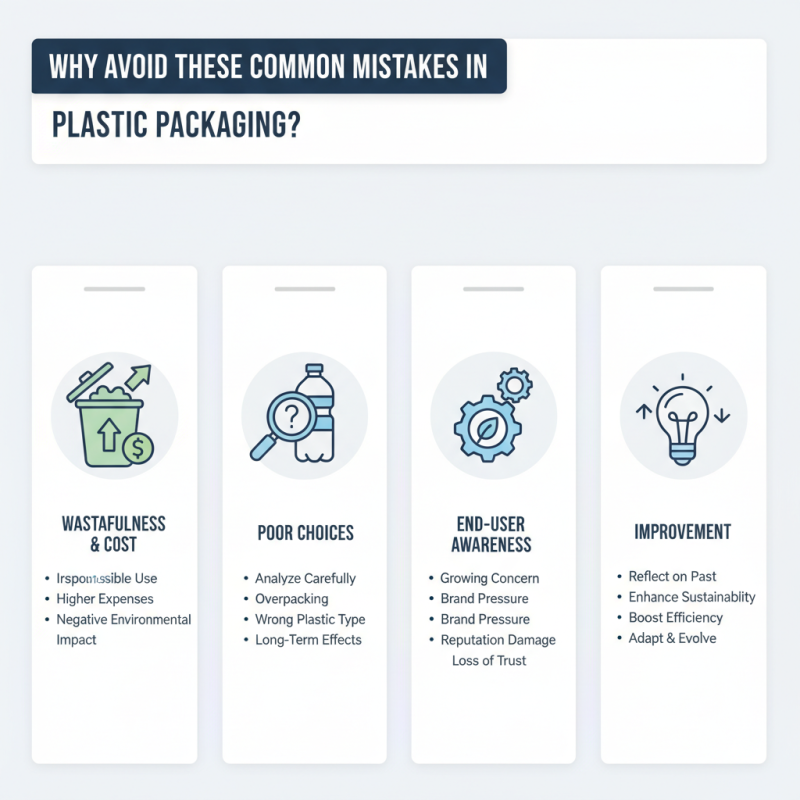
Using plastic irresponsibly often leads to wastefulness. It can result in higher costs and negative environmental impacts. Companies should analyze their packaging choices carefully. Overpacking or using the wrong type of plastic can be detrimental. Think about the long-term effects of these decisions.

End users are becoming more aware of packaging's impact on the environment. This awareness creates pressure on brands to adapt. Failure to address these common plastic packaging mistakes can damage reputations. It could also lead to loss of customer trust. Reflecting on past choices is essential for improvement.
Why Avoid These Common Mistakes in Plastic Packaging?

Understanding the Importance of Plastic Packaging in Today's Market

In today's market, plastic packaging plays a crucial role. It is not just about protection; it enhances product visibility and can influence consumer choices. Companies that understand this leverage plastic packaging effectively to stand out. However, overlooking common pitfalls can lead to wasted resources and diminished brand reputation.

One major mistake is neglecting sustainability. Consumers increasingly favor eco-friendly options. Using recycled materials and minimizing plastic usage can enhance brand appeal. Many companies struggle with this transition. The good news is that small changes can yield significant benefits.

Another common error is ignoring consumer feedback. Engaging with customers can provide valuable insights into their preferences. This connection is vital for refining packaging designs. It is essential to test different formats to see what resonates. Companies often skip this research step, leading to uninformed decisions.

Effective plastic packaging is about more than just materials. It requires an adaptive approach. Keep an eye on trends and invest in innovation. Regularly evaluate your strategy and be willing to pivot.

Common Mistakes in Plastic Packaging and Their Consequences

In the evolving landscape of plastic packaging, common mistakes can have significant consequences. For instance, improper material selection often leads to increased waste. A report by the Plastic Waste Management Institute states that up to 30% of plastic packaging is not recyclable. This not only harms the environment but also undermines brand reputation. Choosing the wrong resin can compromise product integrity, resulting in spoilage and financial loss.


Another frequent error is neglecting design efficiency. Many products have excessive packaging, contributing to unnecessary plastic use. Research from the Ellen MacArthur Foundation indicates that around 100 million tons of plastic are produced annually, much of which is avoidable. Streamlined design can substantially reduce material, cutting costs and environmental footprint. Brands might overlook the importance of user-friendly packaging, leading to poor consumer experiences and returns.


Moreover, a lack of clarity in labeling may confuse customers regarding recyclability. Clear communication is crucial. Studies show that 70% of consumers want better recycling information. Misleading labels lead to waste and customer distrust. Contemplating these factors helps industries create sustainable and effective packaging solutions. It requires intentional reflection on existing practices to truly innovate in plastic packaging.

How to Identify Inefficient Packaging Practices

Identifying inefficient packaging practices is crucial for sustainability and cost-effectiveness. Many companies overlook packaging design and functionality. This can lead to unnecessary waste and increased shipping costs. For example, oversized packaging often uses more materials than needed. Less material, more efficiency.

To spot these inefficiencies, conduct regular audits of your packaging processes. Examine the materials used. Are they recyclable or biodegradable? Evaluate the size and shape of your packages. Aim for a snug fit to minimize wasted space. Consider alternatives like flexible packaging solutions that adapt to various product shapes.

Engage your team in discussions about packaging methods. They might share insights from their daily experiences. Be open to feedback. A small change, like using a lighter material, can lead to significant savings and reduced environmental impact. Regular reflection on these practices can reveal areas for improvement. Remember, even minor adjustments can enhance your packaging strategy.

Best Practices for Sustainable Plastic Packaging Solutions

Sustainable plastic packaging is becoming essential in today’s eco-conscious market. Businesses must adhere to best practices to minimize environmental impact. Green alternatives are not just a trend; they are necessary for future growth. Companies should focus on using recycled materials and reducing waste. Every choice counts in this challenge, even for small businesses.

Evaluating packaging life cycles is crucial. Understanding where improvements can be made can lead to significant changes. Are your materials truly recyclable? What is the carbon footprint of your packaging? These questions should drive your decision-making process. Also, avoid plastic where possible. Opt for materials like biodegradable options. This shift may require a rethinking of production strategies.

Educating consumers is also important. Clear messaging on product labeling can foster trust and encourage responsible disposal. Engage with your audience to raise awareness about plastic pollution. Mistakes often stem from assumptions about consumer behavior. Don’t underestimate the power of transparency in fostering brand loyalty. Every small step towards sustainable practices makes a difference. Product development should reflect this responsibility.

The Role of Consumer Feedback in Improving Packaging Design

Consumer feedback is crucial for enhancing packaging design in the plastic industry. Many companies overlook the importance of listening to their customers. Feedback reveals real-life experiences and needs. Often, what designers think is intuitive may miss the mark for consumers. For example, a complicated opening mechanism might frustrate rather than delight.

To avoid common mistakes, businesses should actively seek input from users. This can be through surveys or online reviews. Engaging customers during initial design phases fosters better results. Listening to critiques can direct companies away from poor design choices. Properly interpreting feedback helps refine functionality.

Conduct focus groups to gather detailed opinions. Encourage honest discussions on packaging usability. Remember, packaging should not only protect products but also enhance user experience. Engaging consumers helps build a loyal customer base. Effective packaging design takes industry knowledge and consumer insights.

FAQS

: What are common mistakes in plastic packaging?

: Common mistakes include improper material selection and neglecting design efficiency, leading to increased waste.

Why is material selection important in packaging?

Choosing the wrong resin can compromise product integrity, resulting in spoilage and financial loss.

How does excessive packaging impact the environment?

Excessive packaging adds unnecessary plastic use and contributes to the 100 million tons of plastic produced annually.

What is the role of labeling in packaging?

Clear labeling helps consumers understand recyclability, reducing confusion and waste.

Why do consumers want better recycling information?

Studies show that 70% of consumers desire clearer recycling messages to make informed choices.

How can businesses minimize their environmental impact?

Businesses should use recycled materials, evaluate packaging life cycles, and consider biodegradable options.

What should companies consider when choosing packaging materials?

Companies must assess whether materials are recyclable and evaluate their carbon footprint.

How can educating consumers benefit businesses?

Clear messaging builds trust and encourages responsible disposal, fostering brand loyalty.

What mistakes do companies make regarding consumer behavior?

Companies often assume consumers know about recycling, leading to ineffective communication strategies.

How can small changes lead to sustainability?

Every small step towards sustainable practices can make a significant difference in reducing plastic waste.

Conclusion

Plastic packaging plays a crucial role in today’s market, serving as a protective barrier for products and an important aspect of branding. However, various common mistakes can undermine its effectiveness, leading to waste and inefficiency. It is essential to understand what mistakes to avoid when using plastic packages, such as failing to optimize package size, neglecting recycling options, and overlooking consumer preferences. These errors can result in increased costs and negative environmental impacts.

To enhance packaging practices, companies should identify and eliminate inefficiencies by adopting best practices for sustainable plastic packaging solutions. This includes utilizing eco-friendly materials, minimizing excess packaging, and engaging with consumer feedback for design improvements. By focusing on these areas, businesses can create functional and sustainable packaging that not only meets market demands but also aligns with environmental goals.

Isabella

Isabella

Isabella is a dedicated marketing professional with a sharp focus on driving brand growth and engagement through strategic content creation. With an extensive background in digital marketing, she combines her passion for storytelling with her keen understanding of industry trends to deliver......