Plastic packaging is a critical component in many industries. It serves as a barrier for products and extends shelf life. However, challenges exist. Understanding what affects the durability of plastic packages is essential for manufacturers and consumers alike.
Factors such as material composition, environmental conditions, and usage stress greatly influence packaging longevity. For instance, UV exposure can degrade plastic over time. Similarly, temperature fluctuations may weaken its structure. Each of these elements contributes to the overall performance of the package.
In an age where sustainability is crucial, manufacturers must continuously evaluate their choices. Some plastic packages display impressive durability, while others fall short. Reflecting on these aspects helps to ensure better quality and reliability in packaging solutions. An informed approach can lead to improvements in product protection and environmental impact.
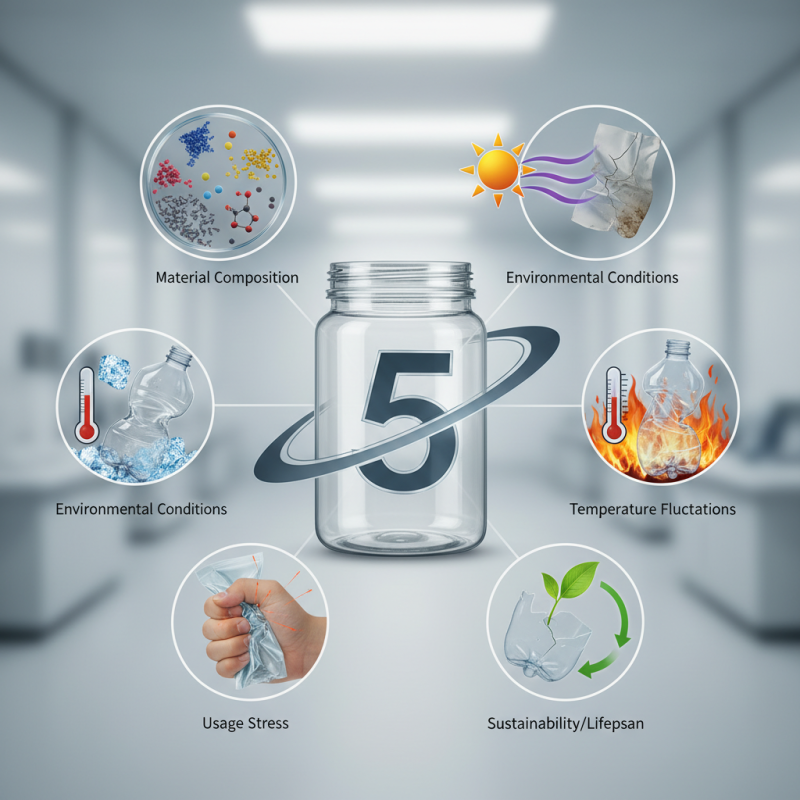
Material Properties of Plastics and Their Impact on Durability
The durability of plastic packages heavily relies on the material properties of plastics used. Various types of plastics exhibit different levels of durability due to their molecular structure. For instance, high-density polyethylene (HDPE) is known for its strength and chemical resistance, making it suitable for rugged applications. According to a report by Grand View Research, the global plastic packaging market is projected to reach USD 500 billion by 2026, highlighting its widespread use in various sectors, but also emphasizing the need for durable materials.
Another essential factor is the plastic's resistance to environmental factors. UV exposure, temperature fluctuations, and humidity can deteriorate plastic materials over time. Materials like polycarbonate and PET possess higher UV stability, contributing to their longer lifespan. This can lead to less waste in landfills, a pressing issue as indicated by the Ellen MacArthur Foundation, which states that only 14% of plastic packaging is currently recycled. Manufacturers must be mindful of these aspects to enhance sustainability.
While advancements in plastic technology continue, challenges remain. Not all plastics demonstrate excellent durability under stress. Some may become brittle, leading to failure in packaging performance. Industry reports suggest that incorporating additives can improve resistance to wear and tear. Yet, this adds complexity to the manufacturing process. Thus, ongoing research and development are vital in balancing performance and sustainability.
Environmental Conditions Affecting Plastic Package Lifespan
Environmental conditions play a crucial role in determining the durability of plastic packages. Factors such as temperature, humidity, and exposure to UV light significantly impact the lifespan of these materials. According to a report by the European Commission, packages exposed to high temperatures can degrade twice as quickly compared to those kept in moderate climates. This degradation often leads to loss of structural integrity.
Humidity also affects plastic packaging. A study from the Institute of Packaging Professionals highlights that higher humidity can accelerate the breakdown of certain plastics. When plastics absorb moisture, they become more brittle over time. Furthermore, prolonged exposure to UV light can cause photodegradation, leading to discoloration and cracks. Effective handling of these environmental conditions can enhance the longevity of plastic packages.
However, not all plastics react the same way to these conditions. Some may withstand extreme weather better than others. Manufacturers face challenges in selecting materials that balance durability with environmental impact. The complexities of material science mean there's no one-size-fits-all solution. Continued research is essential for developing more resilient packaging materials that can withstand various environmental stressors.
Manufacturing Processes and Their Role in Package Durability
The manufacturing processes of plastic packages significantly impact their durability. Factors like temperature, pressure, and material choice play critical roles. For instance, injection molding can create stronger structures than blow molding. Each method can yield different physical properties, contributing to the package's overall longevity.
Tips: Choose the right process for specific needs. Evaluate the end-use environment. Sometimes, a stronger package may not be necessary.
Another aspect to consider is the cooling time during production. A rapid cooling process can lead to internal stresses, reducing the durability of the package. Conversely, slower cooling allows for better molecular formation, enhancing strength.
Tips: Monitor cooling times carefully. Experimentation with different processes can lead to improvements. Test samples in real-world conditions to avoid surprises later.
Usage and Handling Practices Contributing to Plastic Package Longevity
Effective usage and handling practices are vital for enhancing the longevity of plastic packages. A recent study published in the Packaging Technology and Science journal highlights that improper handling can decrease the lifespan of plastic packages by up to 30%. Factors like temperature extremes, UV exposure, and physical stress play significant roles in this degradation process. For instance, constant exposure to sunlight can cause brittleness, leading to cracks and structural failure.
Proper storage techniques can mitigate these risks. Ensuring that plastic packages are stored in controlled environments can enhance their performance. A report from the Polymer Science and Technology Institute suggests that maintaining a temperature below 25°C can extend the life of plastic packages significantly. Additionally, minimizing stress during transportation is crucial. Rough handling increases the chances of damage, which may not be immediately visible but can compromise the package’s integrity over time.
Awareness of these factors is essential for both manufacturers and consumers. Using guidelines established by leading packaging experts can improve durability. Additionally, training personnel on suitable handling methods is often overlooked. Regular audits and assessments of handling procedures can identify potential issues before they become significant problems. Balancing these considerations requires ongoing reflection and adaptation in practices.
Recycling and Its Influence on the Durability of Plastic Products
Recycling plays a critical role in enhancing the durability of plastic products. By reprocessing used plastics, manufacturers can reduce reliance on virgin materials. The integrity of recycled plastic can be impacted, potentially affecting its overall strength. A report by the European Commission highlights that only about 30% of plastic waste is currently recycled. This underutilization poses challenges for durability improvements.
The recycling process introduces variations in material properties. For instance, contaminants can weaken recycled plastics. Inadequate processing can lead to inconsistencies, which harm durability. Studies suggest that mechanical recycling yields plastics with only 70-80% of the original material strength. Understanding these limitations is essential for developing more reliable products.
**Tip:** Select products made from high-quality recycled materials. This choice can improve durability and performance.
Educating consumers about the importance of proper recycling methods is vital. Correctly sorting plastics can enhance the quality of recycled materials. A survey found that over 50% of consumers are unaware of proper recycling practices. Every step counts when it comes to ensuring the future of durable plastic products.
**Tip:** Support local recycling programs. Engaging in community efforts can drive better recycling practices and improve overall material quality.
Top 5 Factors Affecting the Durability of Plastic Packages
| Factor |
Description |
Impact on Durability |
Recycling Influence |
| Material Type |
Different plastics have varying resistance to environmental factors. |
High-performance plastics show better durability. |
Recycling can degrade material performance. |
| Environmental Conditions |
Exposure to UV light, temperature, and moisture can affect plastic longevity. |
Severe conditions decrease lifespan significantly. |
Recycling processes may alter resistance to conditions. |
| Thickness |
Thickness affects the strength and impact resistance of plastic packages. |
Thicker materials generally offer better durability. |
Recycled materials may have inconsistent thickness. |
| Additives |
Additives can enhance UV resistance and overall durability. |
Proper additives can significantly increase lifespan. |
Recycling may result in the loss of effective additives. |
| Manufacturing Process |
The method used to manufacture the package impacts its final properties. |
Advanced techniques improve mechanical properties. |
Recycled materials may require adjusting manufacturing methods. |
FAQS
: The material properties of plastics and environmental conditions heavily influence their durability.
HDPE is strong and chemically resistant, making it ideal for tough applications.
UV exposure can lead to deterioration, affecting structural integrity and lifespan.
High temperatures can degrade plastics twice as fast as moderate climates.
Higher humidity can cause plastics to absorb moisture, leading to brittleness over time.
No, different plastics react differently to environmental conditions, affecting their performance.
Incorporating additives and selecting resilient materials can improve durability.
No, material science is complex, and there's no one-size-fits-all solution.
Only about 14% of plastic packaging is recycled, indicating a significant waste issue.
Research helps balance durability and sustainability in developing more resilient materials.
Conclusion
The durability of plastic packages is influenced by several key factors that are crucial for both manufacturers and consumers. Firstly, the material properties of plastics significantly impact their longevity, with different types of polymers exhibiting varying resistance to degradation. Environmental conditions, such as exposure to UV light, temperature fluctuations, and humidity, can drastically affect the lifespan of these packages. Furthermore, the manufacturing processes employed play a vital role, as the quality of production and the techniques used can enhance or diminish durability.
Additionally, proper usage and handling practices are essential in extending the life of plastic packages, ensuring they are not subjected to unnecessary stress or damage. Lastly, recycling practices also influence durability; recycled plastics might have different properties than their virgin counterparts, potentially impacting their overall performance. Understanding these factors is critical in addressing what affects the durability of plastic packages and improving their sustainability in the long run.

 Premir Plastic Package