The shelf life of products in plastic packages is a complex issue influenced by multiple factors. Research shows that over 40% of food products in plastic packaging spoil before consumption, highlighting the importance of understanding what affects the shelf life of products in plastic packages. Various studies indicate that elements such as temperature, humidity, and oxygen levels significantly impact product longevity.
According to a report by the Food Packaging Association, proper packaging design can extend shelf life by up to 50%. Essential aspects like barrier properties and material durability come into play. For instance, packaging that limits oxygen exposure can keep perishables fresher for longer periods. However, many manufacturers may overlook these details, leading to product waste and consumer dissatisfaction.
Furthermore, consumer behavior influences shelf life expectations. Often, consumers are unaware of how to store products correctly. Misunderstandings about expiration dates also contribute to premature disposal. These factors indicate a need for more education on the impact of packaging on shelf life, promoting better practices. Understanding what affects the shelf life of products in plastic packages can help reduce waste and enhance product quality.
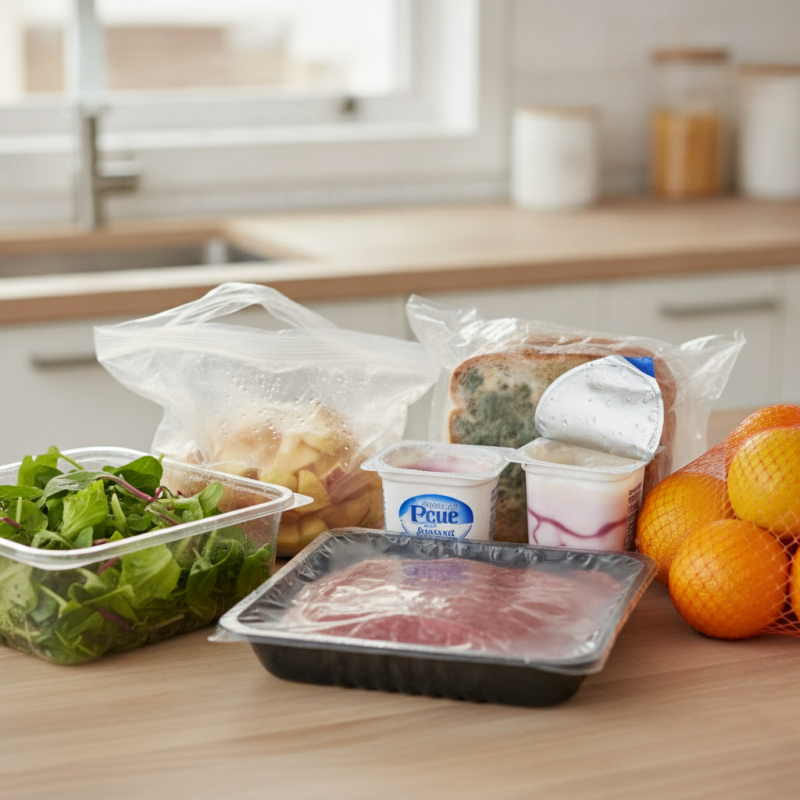
Plastic packaging plays a crucial role in preserving the quality of products. However, several factors influence the degradation rate of these materials. Temperature is a significant factor. Higher temperatures can accelerate the breakdown of plastic, leading to a shorter shelf life. The heat can cause plastic to become brittle or discolored, compromising its ability to protect contents effectively.
Another aspect is exposure to UV light. Prolonged sunlight can degrade plastic, causing it to lose structural integrity. This degradation might lead to harmful substances leaching into the packaged product. Moisture also contributes to degradation. When moisture accumulates, it can interact with plastic materials, promoting microbial growth and spoilage of the contents.
The type of plastic used is equally important. Some materials retain their properties better than others under various conditions. Despite the advances in plastic technology, many packaging solutions still lack durability. Manufacturers need to consider these variables carefully. Awareness of these factors can lead to better choices in packaging, aiming for longer shelf life and improved product safety.
Temperature and humidity play crucial roles in determining the shelf life of products in plastic packaging. High temperatures can accelerate chemical reactions, causing food and other items to spoil faster. Conversely, low temperatures can slow down these reactions, extending the life of the product. However, extreme cold can lead to changes in the packaging material itself, potentially compromising the product’s integrity.
Humidity also affects shelf life significantly. Too much moisture can lead to mold growth or spoilage, making products unsafe for consumption. On the other hand, low humidity might cause some items, like baked goods, to dry out. The balance is delicate and varies depending on the type of product.
**Tips:**
- Store products in cool, dry places. It can do wonders for shelf life.
- Use hygrostats to monitor humidity levels in storage areas.
- Purchase in smaller quantities. This way, you can use products before they spoil.
Understanding how temperature and humidity impact plastic packaging is essential. It requires ongoing attention and adaptation to different conditions. We often overlook these factors and face unexpected product spoilage. A proactive approach can minimize waste and enhance product longevity.
This chart illustrates the impact of various temperatures and humidity levels on the shelf life of products in plastic packaging.
Oxygen and light significantly influence the shelf life of products in plastic packages. Research indicates that exposure to oxygen can lead to oxidation, which deteriorates food quality. A study published in the Journal of Food Science found that packaging materials allowing oxygen permeation can reduce product freshness by nearly 30%. This is critical for perishable items like snacks and dairy products.
Light, particularly ultraviolet (UV) light, plays a similar role. It can cause photodegradation, leading to changes in flavor, color, and nutritional value. A report by the Food Packaging Forum states that exposure to light can shorten a product’s shelf life by up to 50%. For instance, transparent packaging for sensitive items often results in quicker spoilage.
These findings highlight the complexity of packaging choices. Many manufacturers may overlook light and oxygen interactions. This can lead to unanticipated spoilage rates. Evaluating these factors is crucial for improving product longevity. Inadequate consideration often results in higher waste and consumer dissatisfaction. Understanding the effects of oxygen and light is essential for creating more effective packaging solutions.
Plastic packaging is a common choice for many products. Yet, the interaction between the product and the plastic can significantly impact shelf life. Chemicals in the product can leach into the plastic. This can change the product's smell or taste. In some cases, harmful compounds may form. Understanding these interactions is crucial.
Different plastics respond uniquely to various products. Some materials may be more susceptible to absorption. For example, oils can permeate certain plastics more easily than water-based products. This absorption can alter the ingredients, affecting freshness and safety. Packaging materials often lack clarity in labeling, leaving consumers unaware of potential risks.
It’s essential to consider these factors when choosing packaging. Manufacturers should conduct thorough studies on product interactions. However, not all packaging is tested adequately. This gap can lead to unexpected outcomes. Consumers need to be informed about the limitations of plastic packaging. Awareness can help in making better choices, ensuring safety and quality.
Understanding product shelf life in plastic packaging is crucial for both manufacturers and consumers. The environment inside a package significantly impacts how long products remain safe and effective. Key factors include temperature, light exposure, and oxygen levels. A report by the Food Packaging Institute highlighted that temperature fluctuations can reduce shelf life by up to 30%. This finding emphasizes the importance of maintaining stable storage conditions.
Testing methods for evaluating product shelf life are diverse. Accelerated shelf life testing involves exposing products to stress conditions, simulating months of aging in just days. This method helps in predicting how the product will perform over time. Additionally, real-time shelf life studies observe products under actual storage conditions, providing reliable data. These practices ensure that manufacturers meet safety and quality standards.
Tips: Always check packaging for storage instructions. Proper sealing can enhance shelf life. Also, consider using moisture-absorbing packets in packages to combat humidity. These measures will help maintain product integrity.
: High temperatures speed up chemical reactions, causing faster spoilage. Low temperatures can extend shelf life but may compromise packaging.
Excess humidity can lead to mold growth. Low humidity may dry out items like baked goods, affecting their quality.
Store products in cool, dry places. Monitor humidity levels with hygrostats. Buying smaller quantities can reduce spoilage risk.
Oxygen leads to oxidation, reducing food quality significantly. Some packaging materials may allow oxygen in, causing faster spoilage.
Light, especially UV light, can lead to photodegradation. This affects flavor and nutritional value, shortening shelf life.
Many focus on production, neglecting environmental factors. This oversight leads to higher spoilage rates and consumer dissatisfaction.
Accelerated shelf life testing simulates aging, predicting product performance. Real-time studies provide valuable insights under actual conditions.
Always check storage instructions. Packaging should be properly sealed to enhance effectiveness and shelf life.
Consistent monitoring can prevent unexpected spoilage. Overlooking this aspect often leads to waste and lost products.
The shelf life of products in plastic packages is influenced by several key factors. Firstly, the degradation rate of plastic packaging materials can be impacted by environmental conditions such as temperature and humidity, which affect the integrity of the packaging over time. Additionally, the presence of oxygen and exposure to light can significantly reduce the longevity of packaged goods, leading to potential spoilage or quality deterioration.
Moreover, chemical interactions between the products and the plastic materials can further complicate the shelf life, as certain substances may migrate or react with the packaging, compromising the product's safety and effectiveness. To accurately assess these factors, various standards and testing methods are employed to evaluate the shelf life of products in plastic packages, ensuring they remain safe and effective for consumers. Understanding what affects the shelf life of products in plastic packages is crucial for manufacturers to enhance product quality and consumer satisfaction.
Premir Plastic Package