In the packaging industry, understanding the nuances of materials is crucial. "What is the difference between flexible and rigid plastic packages?" This question often arises among manufacturers and consumers alike. According to Dr. Emily Carter, an industry expert, "The choice between flexible and rigid packaging often depends on the product’s needs and consumer preferences."
Flexible packaging, like bags and pouches, adapts to the product's shape. It is lightweight and often more sustainable. Rigid packaging, such as bottles and containers, offers durability and a solid structure. Each option has its advantages and challenges, shaping how products are presented and protected.
Dr. Carter emphasizes that the right choice impacts not just the shelf life but also the consumer experience. While flexible packaging may reduce material use, it can sometimes lead to questions about recyclability. Rigid packaging may increase space usage yet provides superior protection. It's essential to weigh these factors carefully when selecting the appropriate packaging type. Understanding these differences can lead to better informed decisions and innovations in product delivery.
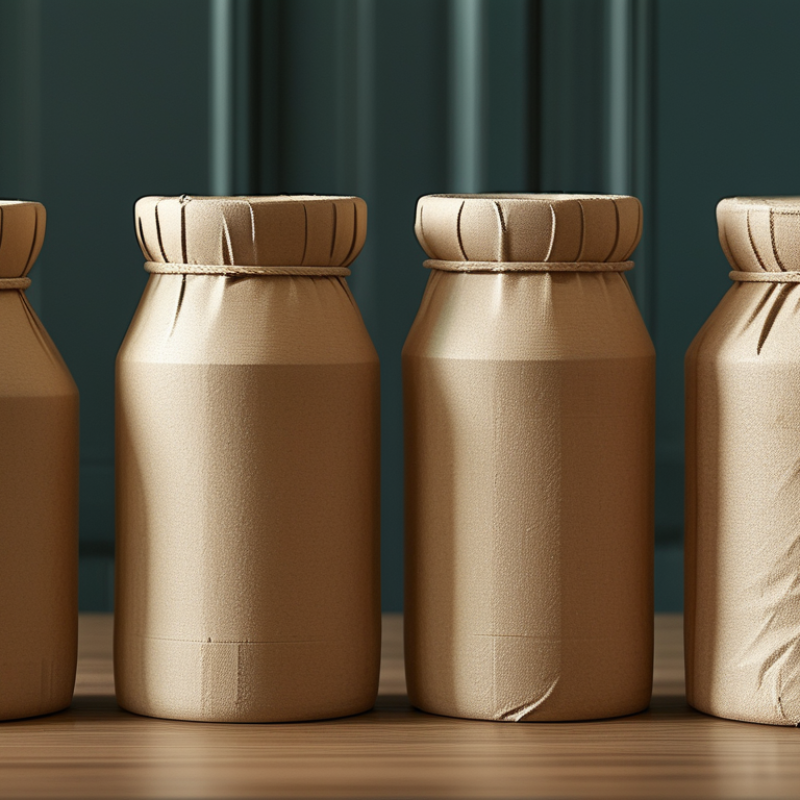
Flexible plastic packaging offers unique characteristics that set it apart from rigid counterparts. These packages are lightweight and adaptable, making them suitable for various products. Their malleability allows for efficient use of space, leading to lower shipping costs. Additionally, flexible packaging is often more environmentally friendly, as it requires fewer materials.
With flexible plastic, products can retain freshness longer. This is achieved through barrier properties that protect contents from moisture and air. Flexible packaging also allows for creative designs, enhancing product appeal.
Rigid plastic packaging plays a crucial role in various industries. It is defined by its solid structure and inability to flex or bend easily. Common examples include bottles, jars, and containers. They are often made from materials like polyethylene terephthalate (PET) or polypropylene (PP). These materials provide durability and protect the contents from external factors.
Key features of rigid plastic packaging include strength and stackability. This type of packaging is designed to withstand pressure during transport. Its rigid nature allows for efficient use of space in storage and retail. Additionally, rigid plastics often offer excellent barrier properties. This means they can protect products from moisture, air, and contaminants.
However, not all rigid packaging is created equal. Some designs may not be the most efficient for recycling. This can lead to environmental concerns. As consumers become more environmentally conscious, the need for sustainable options grows. Companies must reflect on their packaging choices. Exploring alternatives and improving designs is essential for addressing these issues effectively.
In the packaging industry, flexibility and rigidity play crucial roles. Flexible plastic packaging refers to materials that can bend or be easily shaped. This includes pouches and films often used in food, medicine, and personal care. According to a recent report by Transparency Market Research, the flexible packaging market is projected to grow at a CAGR of 4.2% from 2020 to 2027. This growth reflects shifting consumer preferences towards lightweight and space-saving solutions.
Rigid plastic packaging, in contrast, features more robust structures like containers and bottles. These are crucial for product safety and preservation. A report from Smithers Pira highlights that the rigid plastic market is expected to expand due to increased demand for durable packaging. Rigid options typically provide better protection against physical damage. However, they may consume more resources in production and transportation.
Both types have their advantages and drawbacks. While flexible packaging provides cost savings and reduced waste, it may not always offer the same level of protection. Rigid packaging excels in protection but can be bulkier and less eco-friendly. Thus, companies must carefully assess their priorities, balancing sustainability with functionality and consumer needs. Recognizing these differences enables more informed packaging decisions.
When identifying materials, it's essential to understand the differences between flexible and rigid plastics. Flexible plastics are soft and can be easily bent or stretched. Common examples include plastic wraps, bags, and pouches. These materials are often used for packaging food items. They can conform to the shape of the product, which helps in reducing waste.
Rigid plastics, on the other hand, maintain their shape. Items such as containers, bottles, and tubs are made from these materials. Rigid plastics are typically strong and durable, making them ideal for packaging products that require protection. They tend to be heavier than flexible options, and they do not easily change shape when pressure is applied.
To identify these materials accurately, look at texture and sound. Flexible plastics feel softer, while rigid plastics are solid and noisier when handled. Knowing how to differentiate can guide you in selecting the right type of packaging for your needs. While many may see only superficial differences, a deeper understanding can enhance choices in sustainability and waste reduction.
| Property | Flexible Plastics | Rigid Plastics |
|---|---|---|
| Formability | Can be easily shaped and molded. | Maintains a fixed shape and structure. |
| Common Uses | Food packaging, bags, wraps. | Bottles, containers, boxes. |
| Durability | Less durable, prone to tearing. | More durable, resistant to impact. |
| Recyclability | Often recyclable, but varies by type. | Generally recyclable, but also varies. |
| Weight | Lighter and more portable. | Heavier, depending on the material. |
Understanding the difference between flexible and rigid plastic packaging can be tricky. Observing everyday products helps. Flexible packages often can bend and take various shapes. Think of bags for snacks or pouches for liquids. These materials tend to weigh less, which reduces transportation costs. According to industry reports, flexible packaging can lower transportation costs by up to 30%. This benefit also translates to lower carbon emissions.
Rigid packaging, on the other hand, stands solid. Common examples are plastic containers and bottles. These usually protect the contents better than flexible options. They tend to be heavier, impacting shipping costs. According to studies, rigid packaging often has a 25% higher transportation cost compared to flexible alternatives. Recognizing the differences is important for consumers and businesses alike.
Check the texture when handling these materials. Flexible packaging often feels softer and crinklier. Rigid packages are hard and maintain their shape. Many consumers struggle to distinguish them. Awareness of these nuances can enhance product choice. Understanding packaging types can lead to better decisions, especially concerning environmental impact and product safety.
: Flexible plastic packaging refers to materials that can bend or be shaped easily. They include pouches and films.
The flexible packaging market is growing due to consumer preferences for lightweight and space-saving solutions.
Rigid plastic packaging includes containers, bottles, and tubs that maintain their shape and offer strong protection.
Flexible packaging is cost-effective but may not offer as much protection as rigid packaging, which excels in safety.
Companies should assess sustainability, functionality, and consumer needs to make informed packaging decisions.
Flexible plastics feel softer and can easily bend. Rigid plastics are hard and maintain their shape when pressure is applied.
Observe the texture: flexible packaging is softer, while rigid packaging is solid. This recognition can enhance product choices.
Yes, flexible packaging can reduce transportation costs by up to 30%, resulting in lower carbon emissions overall.
Many consumers struggle to distinguish between flexible and rigid plastics, which can affect their choices.
Knowing the differences can lead to better decisions, especially regarding environmental impact and product safety.
When exploring the question of "What is the difference between flexible and rigid plastic packages," it's essential to understand their unique characteristics and applications. Flexible plastic packaging is typically lightweight, adaptable, and often made from materials like polyethylene or polypropylene, making it ideal for items that require a tight seal or are subject to movement. In contrast, rigid plastic packaging is more robust and retains its shape, commonly utilized for products like bottles and containers that require structural integrity.
A comparative analysis reveals that while flexible packaging offers benefits such as reduced material use and space efficiency, rigid packaging is preferred for its durability and protective qualities. Identifying materials used in these types of packaging is crucial for consumers and businesses alike, as is recognizing practical tips to differentiate these packages in everyday products. Understanding these distinctions helps in making informed choices regarding product packaging and sustainability efforts.
Premir Plastic Package