In today's rapidly evolving global trade landscape, understanding "Why do plastic packages need to be lightweight" is crucial. According to Dr. Emily Harwood, an expert in sustainable packaging, “Lightweight plastic packaging significantly reduces transportation costs and environmental impact.” This insight highlights the increasing demand for efficient and eco-friendly packaging solutions.
Lightweight plastic not only lowers shipping expenses but also minimizes carbon footprints. Lighter packages allow companies to transport more goods at once. However, the challenge lies in ensuring that these materials remain durable. Consumers desire products that are safe yet responsibly packaged. This industry often grapples with balancing cost, performance, and environmental impact.
Moreover, there are ongoing debates about the sustainability of plastics. Critics argue that some lightweight materials may not be recyclable. This creates a need for more research and development. The future of packaging demands innovation. Thus, the question remains: how can the industry meet these demands while ensuring minimal harm to our planet?
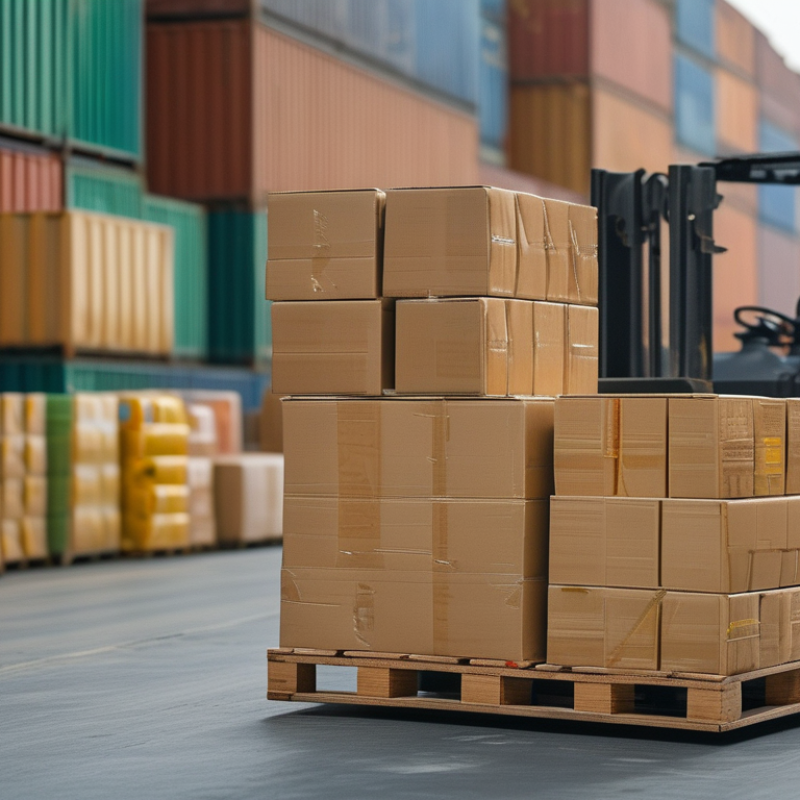
Lightweight plastic packaging plays a crucial role in global trade by significantly lowering transportation costs. These materials are designed to provide protection without adding unnecessary weight. As a result, companies can ship larger volumes of goods while paying less for fuel and logistics. This improvement in efficiency directly impacts the overall cost of products, making them more competitive in the market.
Tips: Always consider the impact of packaging materials on shipping expenses. Even a 10% reduction in weight can lead to notable savings. It's also wise to evaluate the environmental implications of plastic use. Striking a balance between cost and sustainability is vital.
The use of lightweight plastics also impacts the speed of transportation. Lighter shipments lead to quicker load times and faster deliveries. Such efficiency can enhance customer satisfaction and boost a company’s reputation. However, this shift towards plastic must be addressed with care. There are ongoing debates about its environmental impact and recyclability. Companies must remain vigilant about their choices and remain open to more sustainable alternatives.
| Dimension | Data |
|---|---|
| Average Weight of Plastic Packaging | 50 grams |
| Transportation Cost Savings (per ton) | $200 |
| Increase in Cargo Capacity | 20% |
| Reduction in Carbon Emissions (per ton) | 15% |
| Global Plastic Packaging Market Size (2023) | $300 billion |
Lightweight plastic packaging plays a vital role in enhancing supply chain efficiency. By reducing weight, it lowers shipping costs. Transporting lighter materials means more products in one shipment. This efficiency directly impacts delivery times, making logistics smoother and faster.
Moreover, lightweight packaging is designed to be durable. It protects products during transit, minimizing damage. When products arrive safe and sound, customer satisfaction increases. A reduction in packaging waste also leads to sustainability benefits. It supports eco-friendly practices, an essential consideration in today’s market.
Tips for optimizing your supply chain: Use the lightest packaging that meets protection requirements. Regularly assess your packaging processes to identify waste. Collaborate with logistics partners to enhance distribution strategies. Small changes can yield significant improvements. Keep in mind, achieving efficiency is an ongoing journey. Experiment with different materials and monitor their performance for better results.
Lightweight plastic packaging plays a crucial role in minimizing the environmental footprint of global trade. According to the World Economic Forum, packaging accounts for nearly 30% of the total volume of plastic waste generated each year. Lightweight designs reduce this volume significantly. A lighter package means less material is used, which not only decreases waste but also lowers transport emissions.
However, the environmental impact isn't solely positive. Plastics can take hundreds of years to decompose. In 2019, the Global Plastics Report highlighted that only 9% of plastic is recycled effectively. This raises questions about the lifecycle of lightweight plastic packaging. The production process of these materials often relies on fossil fuels, contributing to greenhouse gas emissions.
Innovations in biodegradable plastics are gaining traction, but they are not without challenges. The effectiveness of compostable plastics in various environments is still being studied. Some experts warn that consumers may mistakenly believe all plastics labeled as biodegradable will break down effortlessly. Such assumptions can lead to increased pollution. Thus, while lightweight plastic packaging is vital for efficiency in trade, its environmental implications warrant careful consideration.
Lightweight plastic packaging is transforming global trade. According to a recent market report by Smithers Pira, lightweight plastics could reduce shipping costs by approximately 30%. This reduction stems from decreased weight and volumetric efficiency. As trade demands rise, companies seek sustainable solutions, blending innovation with necessity.
Innovations are shaping the future of plastic packaging. Biodegradable plastics and flexible designs are on the rise. For instance, new technologies allow for thinner, yet more durable materials. These advancements increase shelf life and reduce spoilage. In the food industry, using lightweight packaging can extend freshness. A study by the Ellen MacArthur Foundation highlights that better packaging practices could reduce food waste by 50% annually.
While these developments are promising, challenges remain. Recycling rates for plastics are still low globally. Many lightweight options cannot be easily recycled. This is a concern for sustainability advocates. Engaging stakeholders in creating circular economies is vital. The conversation about weight-efficient packaging must also tackle environmental impacts. That's essential for long-term success in global trade.
The world of global trade relies heavily on lightweight plastic packaging. This material plays a crucial role in ensuring products reach their destinations safely and efficiently. However, as sustainability becomes more prominent, regulatory challenges have emerged. Governments are implementing stringent rules that require companies to adapt their packaging practices.
Many businesses struggle to keep up with varying regulations across countries. This leads to confusion and potential financial risk. Balancing eco-friendliness with functionality is not straightforward. Innovating new materials is essential but often expensive and time-consuming. Companies must navigate both existing frameworks and anticipate future regulations, which is no easy feat.
As consumer awareness grows, so does the demand for sustainable options. Brands face pressure to reduce plastic waste. Yet, not all lightweight alternatives perform equally. The future will likely focus on finding a balance between lightweight efficiency and environmental responsibility. This is an area requiring constant evaluation and adaptation. The journey isn't flawless, but addressing these challenges will pave the way for more reliable global trade practices.
: It lowers weight, allowing for larger shipments and less fuel consumption.
Shipping costs can decrease by about 30% with lightweight materials.
Lighter shipments lead to faster load times and quicker deliveries.
Balancing cost and sustainability is crucial in packaging decisions.
There are advances in biodegradable plastics and thinner yet durable materials.
Yes, it can extend shelf life and reduce spoilage in the food industry.
Low recycling rates and difficulties in recycling many lightweight options are major concerns.
Engaging in circular economies and seeking more sustainable alternatives is essential.
Many lightweight options may not be easily recyclable, raising environmental concerns.
Improved efficiency and reduced costs make products more attractive in the market.
Lightweight plastic packaging plays a crucial role in global trade by significantly reducing transportation costs and enhancing supply chain efficiency. The key question arises: "Why do plastic packages need to be lightweight?" The answer lies in their ability to minimize weight while maintaining structural integrity, leading to lower fuel consumption and reduced carbon emissions during transport. Furthermore, lightweight packaging streamlines logistics, enabling faster delivery times and better inventory management.
In addition to cost and efficiency benefits, the environmental impact of lightweight plastic packaging is a growing concern within the trade sector. Innovations in this area are continually emerging, focusing on sustainable materials and designs that meet regulatory challenges. As global markets evolve, the future trends in lightweight plastic packaging will likely emphasize not only economic advantages but also ecological responsibility, addressing consumer demand for sustainable practices in international trade.
Premir Plastic Package