In today’s world, plastic packaging is ubiquitous in food storage. Many people use it without considering safety. But what makes a plastic package safe for food? This question is crucial for consumers prioritize their health.
Food safety hinges on the materials used in packaging. Certain plastics can leach harmful chemicals into food. The choice of plastic is vital for safety. For instance, BPA is a well-known concern. Awareness about these chemicals is increasing but not all consumers are informed.
Examining labels and understanding recycling codes can help. However, confusion often arises. Not every plastic labeled as "food-safe" is completely risk-free. Organizations like FDA provide guidelines, yet consumers must remain vigilant. Ultimately, understanding what makes a plastic package safe for food is essential for health and well-being.
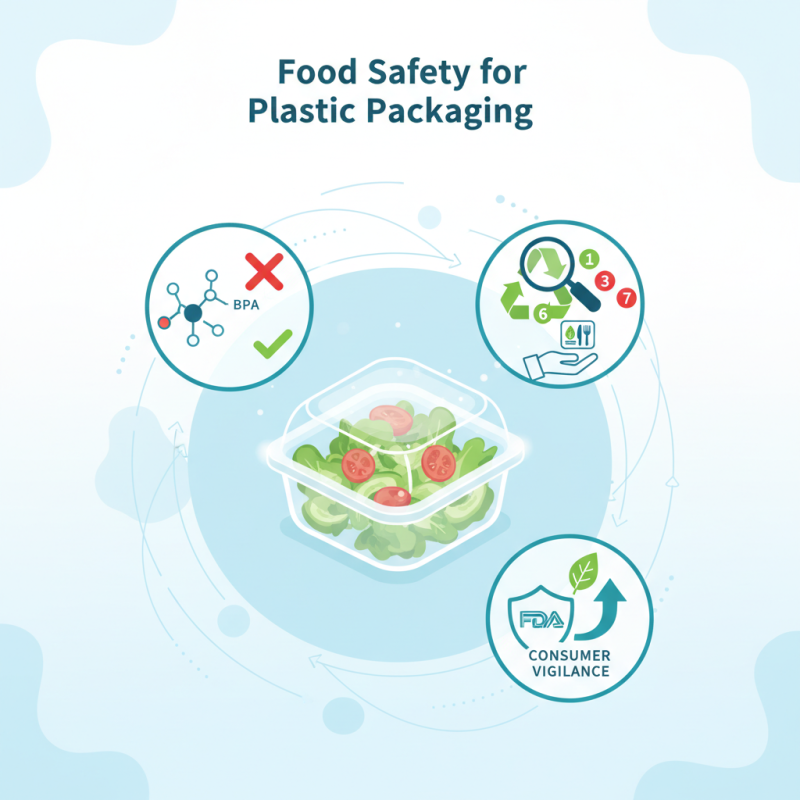
When it comes to food storage, the choice of plastic is crucial. Food-grade plastics are specifically designed to be safe for keeping edible items. Understanding the different types can help consumers make informed decisions. For instance, materials such as polyethylene (PE) and polypropylene (PP) are commonly used. These plastics resist moisture and are less likely to leach harmful chemicals into food.
A study by the Plastics Industry Association highlights that 70% of all plastic food containers are made from these safe materials. However, not all plastics are created equal. Polyvinyl chloride (PVC) and polystyrene (PS) are not recommended for food contact due to their potential to release toxins. Consumers often overlook recycling symbols; knowing the meaning behind these codes can guide safer choices.
Determining the safety of a plastic package also involves considering its durability. Thin-walled containers may not withstand high temperatures, risking contamination. Protective measures, such as scanning for BPA-free labels, can add another layer of safety. Still, contradictions exist, with some data suggesting that certain “BPA-free” alternatives may not be as safe as assumed. Continuous research is necessary to clarify these concerns and ensure food safety standards are met.
When assessing the safety of plastic packaging for food storage, evaluating chemical additives is crucial. Many plastics contain additives to enhance their properties. Unfortunately, some of these additives may pose risks to human health. A report by the European Food Safety Authority indicates that certain plasticizers, like phthalates, can migrate into food and potentially disrupt hormonal functions.
Understanding how these additives affect food safety is essential. For instance, bisphenol A (BPA) is another common additive associated with various health concerns. The FDA has mandated ongoing safety reviews for such substances. Research shows that 5-10% of commonly used food-grade plastics may still leach additives at low levels.
**Tips:** Always choose plastics labeled as BPA-free. Check for recycling codes, as numbers "1," "2," and "5" are generally safer options. It's wise to avoid storing acidic or fatty foods in plastic containers, as they can increase the risk of chemical leaching.
Being proactive about plastic safety is essential. Review scientific assessments from trusted agencies to stay informed. Create a habit of questioning packaging materials before use. The journey toward safe food storage is complex but necessary.
Food packaging safety is a critical aspect of public health. Regulatory standards set by organizations ensure that materials used are safe for food contact. In the U.S., the FDA regulates food packaging through the Federal Food, Drug, and Cosmetic Act. This includes evaluating substances for potential migration into food. Recent reports indicate that nearly 80% of consumers are concerned about harmful chemicals in food packaging.
To comply with safety standards, manufacturers must follow specific guidelines. The National Institute of Standards and Technology emphasizes that materials must be tested for substances like bisphenol A (BPA) and phthalates. These chemicals can leach into food, posing health risks. Studies reveal that over 1.5 million Americans are affected by foodborne illnesses each year, highlighting the need for stringent safety measures.
Despite these regulations, challenges remain. Some plastic materials still lack adequate testing. Inconsistent enforcement across states can lead to safety gaps. Effective communication of risks to consumers is often missing. As awareness grows, it is vital for industry stakeholders to rethink safety protocols. Continuous improvement in food packaging technology is needed to instill consumer confidence.
When storing food in plastic packaging, certain best practices ensure safety. The choice of plastic is crucial. Look for containers labeled BPA-free. Harmful chemicals can leach into food, especially when heated. Storing hot food in certain plastics can be risky. Always let food cool down before sealing it in plastic.
Maintaining optimal storage conditions is vital. Keep plastic-wrapped foods in a cool, dry place. Avoid exposure to sunlight and intense heat. This can degrade the packaging and compromise safety. It’s also important to check packaging for signs of wear. Cracks or discoloration may indicate that the plastic is no longer safe for food storage.
Cleaning containers before reuse is necessary. Residues from previous foods can cause contamination. A simple wash with mild soap and water works well. However, some plastics can absorb odors and stains. This might lead to altered flavors in your next meal. Reflecting on your storage practices can enhance food safety in your kitchen.
When it comes to food storage, the safety of plastic packaging plays a critical role. Signs of plastic degradation are key indicators of potential contamination. Plastic can degrade over time, particularly with exposure to heat, sunlight, or harsh chemicals. Look for discoloration, warping, or a cloudy appearance. These changes can mean the plastic is breaking down, which may release harmful substances into your food.
Safe plastic should also be examined for any signs of contamination. A foul odor or an unusual taste can suggest that the package has absorbed harmful substances. This is particularly concerning if the plastic is soft or tacky to the touch. Such textures can indicate that the plastic is aging poorly. Furthermore, check for any cracks or tears, as these can compromise the integrity of the packaging.
Regularly assess food storage plastics in your home. Consider their age and history of use. It might be easy to overlook tiny imperfections. However, these flaws could lead to significant health risks. Awareness of these signs can aid in maintaining a safe kitchen environment. Prioritize the quality of plastic packaging to protect the food you consume.
| Property | Description | Signs of Degradation | Potential Contaminants |
|---|---|---|---|
| Material Type | Polyethylene (PE), Polypropylene (PP), Polycarbonate (PC) | Cloudiness, Cracking, Discoloration | BPA, Phthalates |
| Heat Resistance | Able to withstand high temperatures during cooking or reheating | Warpage, Melting, Deformities | Toxic fumes, Migration of chemicals |
| Compatibility with Food | Safe for direct contact with food | Leaching of materials, Off odors | Chemicals from the plastic |
| UV Resistance | Resistant to ultraviolet rays from sunlight | Fading, Brittleness | Absorption of harmful UV light |
| Recyclability | Ability to be recycled into new products | Manufacturer recycling symbols | Chemical residue from previous use |
: Food-grade plastics are designed to safely store edible items. They help prevent contamination.
Polyethylene and polypropylene are commonly used for food storage due to their moisture resistance.
Polyvinyl chloride and polystyrene may release toxins into food, posing health risks.
Checking for BPA-free labels and understanding recycling codes is crucial for safer choices.
No, thin-walled containers may not withstand heat, increasing contamination risks during use.
Some additives, like phthalates and BPA, can migrate into food, disrupting health.
It’s best to avoid storing acidic or fatty foods in plastic to reduce chemical leaching.
The FDA oversees food packaging safety, evaluating materials for harmful chemical migration.
Inconsistent testing and enforcement create gaps in safety. Enhanced communication is often lacking.
Review scientific assessments from trusted sources and question packaging materials regularly.
Understanding what makes a plastic package safe for food involves several key factors. First, it’s essential to recognize the types of food-grade plastics commonly used in packaging, along with their properties that ensure safety during food storage. Chemical safety is another critical aspect, as evaluating the additives in plastic materials can help determine their suitability for containing food without leaching harmful substances.
Regulatory standards play a vital role in ensuring food packaging safety, providing guidelines that manufacturers must follow to protect consumers. Furthermore, best practices for storing food in plastic packaging can enhance food safety, such as keeping food at appropriate temperatures and avoiding prolonged exposure to sunlight. Finally, identifying signs of plastic degradation and contamination is crucial in preventing foodborne illnesses, ensuring that consumers remain informed about the safety of the plastic packages they use.

Premir Plastic Package