What Happens to Plastic Packages After Disposal in China?

Time:2026-05-28 Author:Henry
0%

In recent years, plastic waste has become a significant challenge in China. With the rapid growth of e-commerce, waste management of plastic packages has garnered much attention. Understanding what happens to plastic packages after disposal is crucial. Many consumers may not realize their discarded packages undergo complex handling processes.

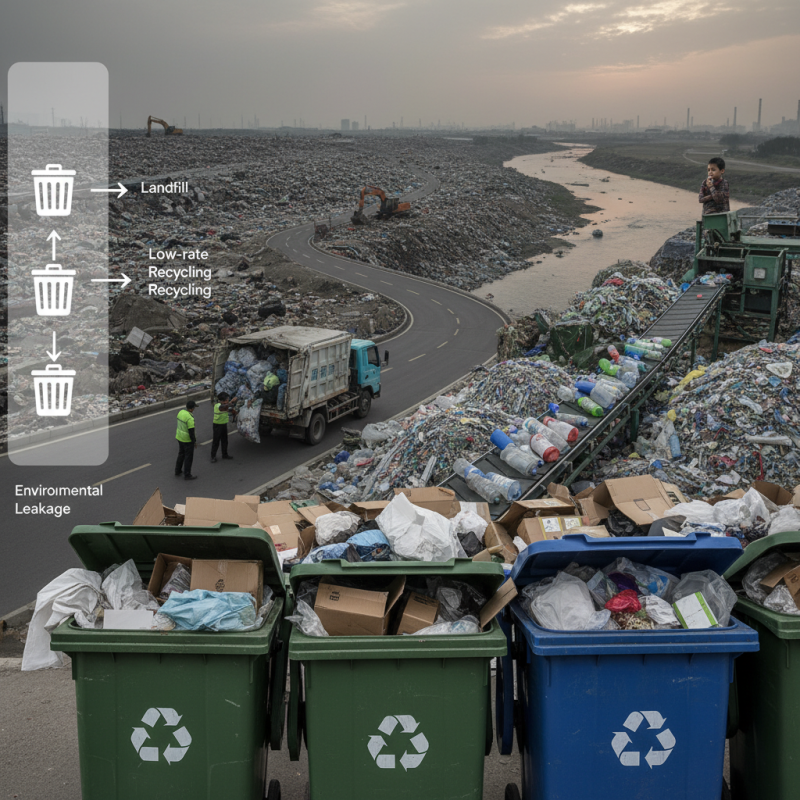
After disposal, plastic packages are collected by waste management systems. Some end up in landfills, while others are processed for recycling. However, the recycling rate for plastics remains low in China. Not all materials are suitable for recycling. Contamination from other waste complicates this process. This leads to significant amounts of plastic remaining in the environment.

Reflecting on these processes reveals gaps and inefficiencies in the system. Many people are unaware of the fate of their plastic waste. Greater transparency and education are needed. There is a pressing need to improve recycling technologies and practices. Addressing these issues could mitigate the adverse effects of plastic pollution. Understanding what happens to plastic packages after disposal can drive improved consumer behavior and policy changes.
What Happens to Plastic Packages After Disposal in China?

The Journey of Plastic Packages from Disposal to Landfill in China

In China, the journey of plastic packages after disposal is complex. Once discarded, these packages often find themselves in a chaotic waste collection system. Many citizens lack sufficient recycling knowledge. This results in plastics ending up in landfills or being incinerated rather than recycled.

At the landfill, plastic packages contribute to a growing environmental issue. They can take hundreds of years to decompose. Often, they break down into microplastics, which pollute soil and water. This process raises concerns about the long-term impact on health and wildlife. Many communities are not equipped to deal with such waste responsibly.

Despite growing awareness, challenges remain. Recycling facilities are often not state-of-the-art. Some packages are too contaminated for effective recycling. Citizens must grapple with the consequences of their disposal habits. Awareness campaigns are gaining traction, but significant change is still needed. The road ahead is filled with obstacles, but education can spark change.

Recycling Processes for Plastic Packages in China's Waste Management System

In China's waste management system, the recycling processes for plastic packages are complex and evolving. According to recent reports, about 30% of plastic waste is recycled. However, this number reflects only a fraction of the total plastic produced. Many items, particularly multi-layer plastics, often end up in landfills due to limited processing capabilities.

Recycling facilities face significant challenges. They require advanced technology to sort and process various types of plastics effectively. In 2021, it was estimated that around 10% of collected plastic waste was properly sorted for recycling. The rest either remained contaminated or mixed with non-recyclable materials. This inefficiency highlights the need for improved public awareness and better sorting practices at the consumer level.

Efforts to enhance recycling rates are underway. Local governments are investing in education campaigns and improved sorting facilities. Nonetheless, there are notable gaps in policy enforcement and infrastructure. Many regions still struggle with the basics of waste segregation. Addressing these shortcomings is essential for improving the overall effectiveness of plastic recycling processes in China.

Environmental Impact of Plastic Packaging Waste on China's Ecosystem

Plastic packaging waste poses significant threats to China's ecosystem. The vast quantity of plastic discarded each year often ends up in landfills and waterways. These materials take centuries to decompose, leading to long-term environmental damage. Wildlife is particularly at risk. Animals often ingest plastic, mistaking it for food. This can lead to serious health issues and even death.

Recycling rates in China are still low. Many plastic packages are not processed properly. They become microplastics, which infiltrate soil and water systems. These tiny particles can harm aquatic life and disrupt food chains. Communities near polluted areas face health risks. The lack of public awareness about these issues exacerbates the situation. Many consumers remain uninformed about the environmental impact of their choices.

Efforts to address this crisis are underway, but challenges remain. The infrastructure for waste management is still developing. Additionally, there’s a need for stronger regulations on plastic use. Educating the public is crucial. Individuals can take small steps, like reducing plastic consumption or supporting environmentally friendly alternatives. However, without comprehensive action, the impact of plastic waste will continue to threaten China's natural habitats.

Challenges and Innovations in China's Plastic Waste Management Practices

Plastic waste management in China faces significant challenges. The country grapples with high plastic consumption rates and insufficient recycling systems. Many plastic packages end up in landfills or rivers, leading to environmental issues. Innovations are emerging to tackle these problems. Some cities are experimenting with advanced recycling technologies and community-based initiatives to reduce waste.


An interesting development in urban areas is the adoption of biodegradable alternatives. Cities promote these materials among consumers. However, the infrastructure to process these alternatives remains limited. There is a need for better education about proper disposal methods.


Tips for citizens include: always separate plastic waste, and participate in local recycling programs. Small actions lead to significant changes. Additionally, reducing reliance on single-use plastics can ease the pressure on waste management systems. Awareness and innovation are crucial in moving forward. Exploring sustainable habits will contribute to a healthier environment.

Future Prospects for Reducing Plastic Package Waste in China

Plastic packaging waste is an increasingly critical issue in China. In recent years, approximately 60 million tons of plastic waste has been generated annually. Only 10% is recycled effectively. This raises concerns about the long-term effects on the environment. Waste management systems are under pressure. New policies aim to increase recycling rates, but challenges remain.

The Chinese government is exploring innovative solutions. Reports indicate that investment in waste management technologies has surged. For instance, China's recycling industry is expected to grow by 15% annually. Education and awareness programs are also pivotal. Studies show that community engagement can boost recycling participation by over 30%.

However, achieving these goals requires addressing systemic issues. Many local governments lack adequate resources. There’s also a need for better infrastructure. Many regions still rely heavily on landfill disposal. This contradicts sustainability efforts. Continued monitoring and improvement are essential. Reducing plastic package waste demands a multifaceted approach, combining technology, education, and policy reform.

Plastic Package Waste in China (2022)

FAQS

: What happens to plastic packages after disposal in China?

: After disposal, plastic packages often end up in a chaotic waste collection system. Many aren’t recycled properly.

How long do plastic packages take to decompose?

Plastic packages can take hundreds of years to decompose. They often break down into harmful microplastics.

What is the impact of microplastics on the environment?

Microplastics can pollute soil and water. They can pose serious risks to wildlife and human health.

Why are recycling rates low in China?

Recycling rates are low due to contaminated packages. Many facilities are not advanced enough for effective processing.

How can individuals help reduce plastic waste?

Individuals can reduce plastic consumption. Supporting environmentally friendly options is also beneficial.

What challenges does the waste management system face in China?

The system lacks resources and infrastructure. Many areas still rely on landfills for waste disposal.

Are there any government initiatives to improve recycling?

Yes, new policies aim to increase recycling rates. Investment in waste management technologies is also growing.

How effective are community awareness programs?

Community engagement can boost recycling participation by over 30%. However, awareness is still lacking.

What does the future hold for plastic waste management?

Achieving better waste management requires systemic changes. A multifaceted approach is crucial for success.

What are the main environmental threats of plastic waste?

Plastic waste threatens ecosystems and wildlife. Ingesting plastic can lead to health issues for animals and humans.

Conclusion

The article "What Happens to Plastic Packages After Disposal in China?" explores the intricate journey that plastic packages undertake once they are disposed of in China. It outlines the path from disposal to landfills, detailing the recycling processes integrated within the country's waste management system. As plastic packaging waste continues to accumulate, the environmental impact on China's ecosystem becomes increasingly significant, raising concerns about pollution and biodiversity loss.

Moreover, the piece highlights the challenges faced by China's plastic waste management practices, such as inadequate recycling facilities and public awareness. However, it also delves into innovations being developed to tackle these issues, presenting a hopeful outlook for the future. Ultimately, the article emphasizes the importance of reducing plastic package waste in China to promote sustainability and protect the environment. Through understanding what happens to plastic packages after disposal, we can better appreciate the necessity for improved waste management strategies and individual responsibility in reducing plastic consumption.

Henry

Henry

Henry is a dedicated marketing professional with a profound expertise in the company's offerings. With years of experience in the industry, he possesses an impressive understanding of the market dynamics and consumer behaviors that drive success. Henry is committed to sharing his insights through......