Plastic packaging plays a significant role in our daily lives. However, at trade fairs like the Canton Fair, an intriguing question arises: "Why do some plastic packages fade in sunlight?" This issue highlights the importance of material quality and production techniques. Under direct sunlight, certain plastics can lose their vibrant colors and structural integrity.
The trade fair showcases a variety of products and materials. Visitors often notice faded packages that seem less appealing. This fading can be attributed to several factors, including exposure to ultraviolet rays and the types of dyes used in the plastic. Poorly formulated plastics are more susceptible to these changes. Many manufacturers face challenges in creating durable packaging that withstands environmental stressors.
Understanding why plastic packages fade is crucial for producers and consumers alike. It not only affects aesthetics but also raises questions about product safety and performance. As sustainability becomes a more pressing concern, addressing these fading issues is vital for innovation in packaging solutions. Reflecting on this fading phenomenon allows stakeholders to reconsider their materials and production methods.
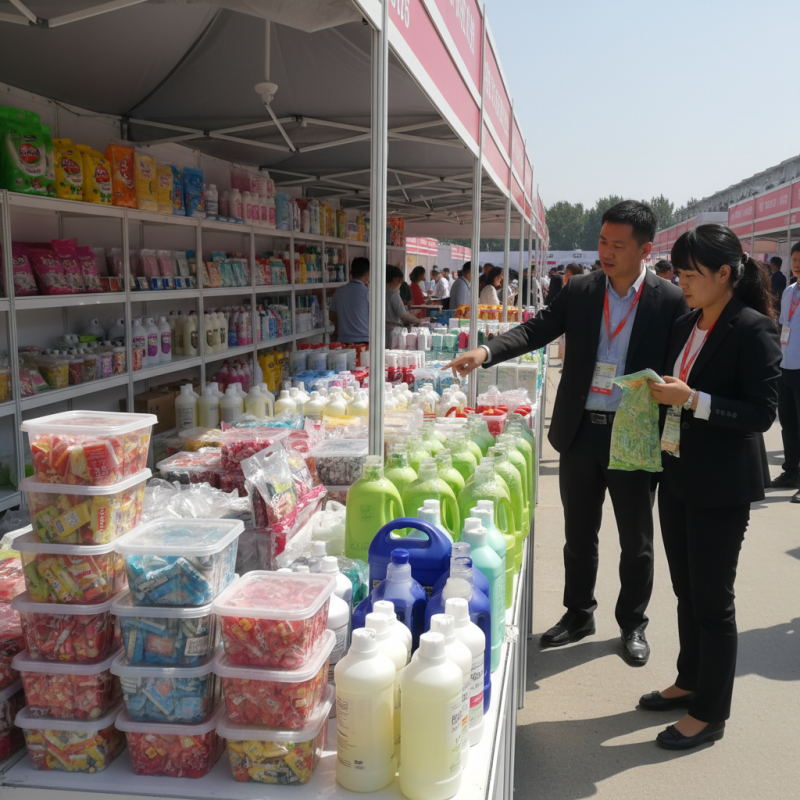
Plastic packaging is commonplace in our daily lives. However, in environments like China Trade Fair, factors like UV exposure can cause fading. The sunlight intensity during the event can lead to noticeable changes in color. Bright hues may turn dull over time. This phenomenon affects the aesthetics of packages.
Several factors contribute to this fading. One is the type of plastic used in packaging. Some plastics are more susceptible to UV radiation. Additives can enhance resistance, but not all manufacturers use them. Temperature fluctuations further promote degradation. Packages left in direct sunlight heat up quickly. This accelerates fading and damages the plastic’s structural integrity.
The materials can also react with pollutants in the environment. Minor contaminants in the air may speed up the fading process. Consumers often overlook these subtle influences. It's a reminder for manufacturers to innovate. Developing better UV-resistant materials could lead to improved product longevity. Thoughtful considerations can lead to better packaging solutions.
Plastic packaging is everywhere, yet not all plastic has the same durability. Understanding the chemical composition of plastics can shed light on their UV resistance. Certain plastics, like polyvinyl chloride (PVC) and polystyrene (PS), are more prone to fading when exposed to sunlight. Their molecular structure reacts with UV rays, leading to discoloration and brittleness over time.
Tips: Opt for UV-resistant materials when possible. Look for clear signals of product durability. Test small samples before wider use. Knowing how materials behave in sunlight can guide better choices.
The consequences of fading can be significant. A product that looks worn out may diminish brand value. It may even deter consumers. The choice of resin type is essential for ensuring long-lasting packaging. However, many manufacturers may prioritize cost over quality. This trade-off can lead to disappointing results under sun exposure. Keeping an eye on chemical composition is crucial for better outcomes. Remember, not all plastics are created equal!
At the China Trade Fair, the environmental conditions play a crucial role in the integrity of plastic packages. High temperatures and intense sunlight can lead to rapid degradation of materials. According to a study by the Plastics Industry Association, prolonged UV exposure can reduce the lifespan of plastic packaging by up to 30%. This fading and weakening of materials may cause safety concerns for products.
Humidity is another factor that affects plastic packages. The combination of heat and moisture can create a cycle of degradation. A report from the American Chemistry Council highlighted that moisture can lead to hydrolytic degradation, impacting the structural integrity of polymers. With the Trade Fair's fluctuating temperatures, packages can expand and contract, creating stress points. These small flaws might not be visible but can lead to larger issues.
Observations during the fair reveal that many exhibitors are unaware of these conditions. Despite advancements in material science, not all companies adopt the most durable options. As reported by the European Bioplastics Association, only 20% of companies have fully implemented sustainable packaging practices. It raises questions about the industry’s commitment to material integrity in varying environmental conditions.
Plastic packaging is crucial for outdoor events. However, prolonged exposure to sunlight can lead to fading. This issue is especially relevant at trade fairs in sunny locations. The UV rays can break down the plastic, affecting its appearance and durability. This fading can diminish the overall appeal of products. It's a problem organizers need to address.
Implementing preventive measures is essential. One effective solution is using UV-resistant additives in the plastic. These additives can significantly enhance the longevity of packaging materials. Additionally, keeping products covered or shaded during peak sunlight hours can help. Regularly checking the condition of packaging also ensures any fading is noticed early.
Unfortunately, not all measures are foolproof. Some packaging still fades despite precautions. This reality should prompt continuous research and improvement. Finding the right materials and methods is a process. Trade shows can be a testing ground for these innovations, pushing the boundaries of what’s possible.
Plastic packaging is essential in today's market. Yet, its durability often comes into question, especially during events like trade fairs. Many packages fade after prolonged sun exposure. It's alarming when you see colorful logos and designs weaken. This raises concerns about quality and sustainability.
Industry standards on plastic packaging are crucial. Each region has different regulations. Some require rigorous testing for UV stability. Others may have more lenient guidelines. Companies might overlook these standards. They may prioritize cost over durability. This reflects a need for better practices in the packaging sector.
Education on material choices is necessary. Many companies still rely on lower-quality plastics. These materials might not withstand harsh conditions. Is it worth sacrificing longevity for savings? Our industry must reflect on these choices. A focus on better regulations and education can help improve packaging solutions. We can create a more reliable and enduring future for plastic packaging.
| Material Type | UV Resistance Rating | Durability Duration (Months) | Common Applications |
|---|---|---|---|
| Polyethylene (PE) | Low | 6 | Bags, Wraps |
| Polypropylene (PP) | Medium | 12 | Containers, Jars |
| Polyvinyl Chloride (PVC) | High | 24 | Pipes, Sheets |
| Polyethylene Terephthalate (PET) | High | 18 | Bottles, Packaging |
| Acrylic (PMMA) | Very High | 36 | Displays, Signs |
: Plastic packaging protects products and enhances their appeal during outdoor events.
Prolonged exposure to sunlight and UV rays can lead to fading and deterioration.
Using UV-resistant additives and keeping products shaded during peak sunlight can help.
No, some packaging still fades despite precautions, indicating the need for ongoing research.
Many companies overlook industry standards, opting for cheaper materials that may lack durability.
Standards differ by region, with some requiring strict UV stability testing, while others are lenient.
Fading can diminish the visual appeal, raising concerns about product quality and sustainability.
No, the industry should reflect on material choices and prioritize longevity for better products.
Trade shows can serve as platforms for exploring new materials and improving packaging techniques.
Increased awareness and training on durability can lead to more informed decisions in packaging practices.
The phenomenon of "Why do some plastic packages fade in sunlight" is influenced by several factors that affect durability. Key among these is the chemical composition of the plastics, which determines their resistance to ultraviolet (UV) rays. Certain polymers are more susceptible to photodegradation, leading to color fading and loss of structural integrity when exposed to sunlight.
Additionally, environmental conditions at events like the China Trade Fair—such as temperature fluctuations, humidity, and direct sunlight—can exacerbate the effects of UV exposure. To mitigate these issues, various preventive measures can be implemented to enhance the durability of plastic packaging in outdoor settings. Adhering to industry standards and regulations is also crucial in ensuring the longevity of plastic materials, helping manufacturers produce packages that withstand harsh environmental conditions effectively.

Premir Plastic Package