Plastic packaging has become an integral component across many global industries. Its dominance raises a pressing question: why is plastic packaging widely used in industries? This query is crucial for understanding the balance between convenience and environmental responsibility.
The appeal of plastic packaging lies in its versatility. It can be molded into various shapes and sizes, catering to diverse product needs. The lightweight nature of plastic reduces shipping costs and carbon footprints. These factors make it a go-to option for manufacturers and retailers alike. However, the environmental implications of this widespread use cannot be ignored.
Despite efforts to promote sustainable alternatives, plastic remains a staple. Many businesses struggle to find effective substitutes that match the durability and cost-effectiveness of plastic. This situation highlights the need for reflection and innovation. As companies recognize environmental impacts, they must weigh convenience against sustainability. Addressing this balance is essential for the future of packaging industries.
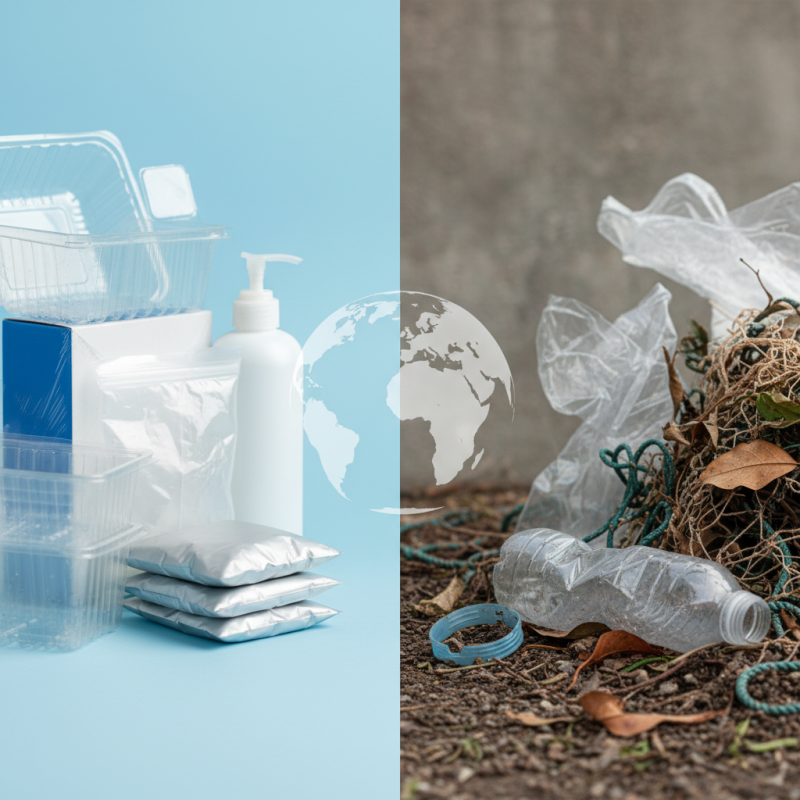
Plastic packaging has undergone a significant transformation since its inception in the early 20th century. Initially developed as a revolutionary material, plastic gained popularity due to its lightweight nature and versatility. According to marketsandmarkets.com, the global plastic packaging market was valued at approximately $350 billion in 2021, with projections to reach $500 billion by 2028. This growth reflects a deep integration of plastic in various industries, particularly food and beverage sectors.
Despite its advantages, the reliance on plastic packaging raises pressing environmental concerns. Reports indicate that about 300 million tons of plastic are produced annually, with a significant portion used for packaging. While plastic offers convenience, the long decomposition time poses severe ecological challenges. Many companies wrestle with balancing cost-effectiveness against the need for sustainable practices. For instance, innovations in biodegradable options are emerging, but they often lack the performance qualities of traditional plastics.
The historical context sheds light on the complexities of this issue. Initially viewed as a panacea for packaging woes, plastic's durability became a double-edged sword. As markets evolved, consumer awareness increased, prompting a shift toward recyclable materials. This evolution reflects a societal push for responsible consumption, yet the transition remains fraught with obstacles. The industry must confront the legacy of plastic's pervasive presence while exploring avenues for sustainable packaging alternatives.
| Year | Market Share (%) | Types of Plastic Used | Environmental Impact Rating |
|---|---|---|---|
| 1950 | 5% | Polyethylene, PVC | High |
| 1970 | 20% | Polypropylene, PET | Medium |
| 1990 | 40% | PET, Polystyrene | Medium-Low |
| 2010 | 60% | PLA, PET, HDPE | Low |
| 2020 | 75% | Bio-based Plastics, Recycled PET | Very Low |
: Plastic packaging is lightweight and versatile, reducing transportation costs and allowing for innovative designs.
Plastic production creates significant waste. Long decomposition times raise serious ecological challenges.
Approximately 300 million tons of plastic are produced each year, with a large portion for packaging.
Many companies are adopting biodegradable materials and reducing plastic use in their products.
Recycling rates remain low, highlighting the need for better technologies and education about sustainability.
Governments worldwide are implementing bans on single-use plastics and promoting sustainable alternatives.
Increased awareness can shift preferences toward recyclable materials and encourage responsible consumption.
Not every alternative material is effective. Balancing convenience with sustainability can be challenging.
Policymakers, businesses, and consumers sharing resources can drive innovation in sustainable packaging design.
Plastic packaging has become a dominant force in global industries due to its significant advantages over traditional materials. Its lightweight, durability, and cost-effectiveness cater to the evolving demands of consumers and companies alike. Additionally, the historical evolution of plastic packaging reveals its adaptability, which has led to widespread adoption across various sectors. However, the environmental impact of plastic waste remains a pressing issue, prompting a shift towards innovative packaging solutions that prioritize sustainability.
As industries seek to address these environmental concerns, regulatory responses and sustainable practices are being implemented to mitigate plastic’s negative effects. Innovations, such as biodegradable options and enhanced recycling processes, are paving the way for a more sustainable future. Ultimately, the question “Why is plastic packaging widely used in industries?” can be answered by its unmatched functionality combined with ongoing efforts to reduce ecological footprints, making it a pivotal element in contemporary commerce.

 Premir Plastic Package