Why is Plastic Packaging Dominating Industries in 2026?

Time:2026-07-26 Author:Charlotte
0%

The increase in plastic packaging use raises many questions. Why is plastic packaging widely used in industries? By 2026, this material seems to dominate various sectors. Its lightweight nature allows for easy transport and reduces shipping costs. Additionally, plastic is versatile and can be molded into different shapes for diverse products.

However, sustainability concerns linger. The convenience of plastic packaging often overshadows its environmental impact. Many businesses face criticism for their reliance on non-biodegradable materials. This paradox poses a challenge for industries seeking to balance innovation with ecological responsibility.

The demand for plastic packaging reveals a complex landscape. While it improves efficiency, industries must reflect on their choices. Can they find alternatives that meet consumer needs without harming the planet? These pressing questions highlight the need for informed decision-making around plastic use.
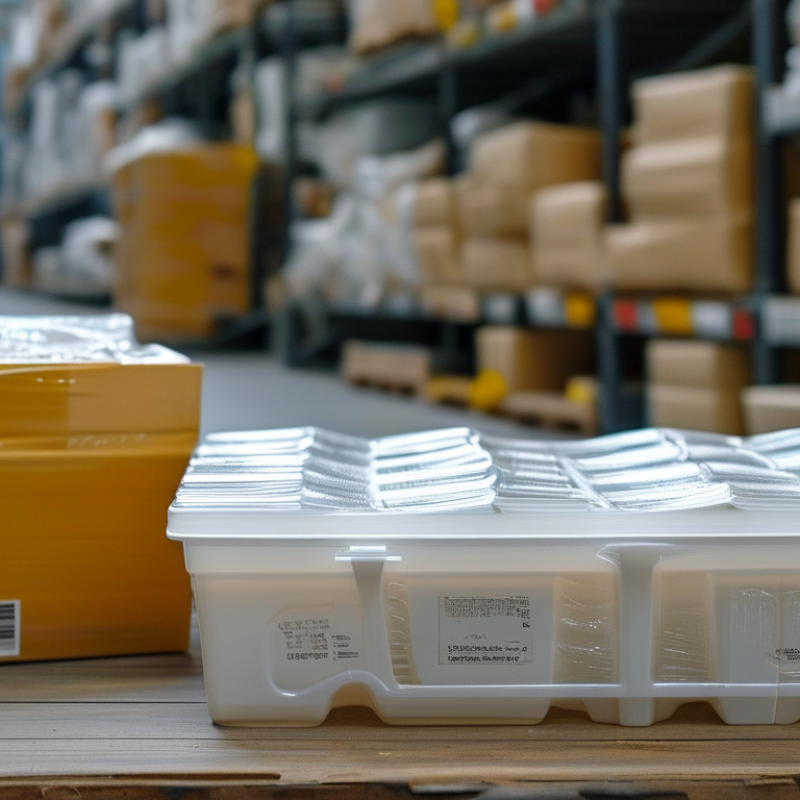
Why is Plastic Packaging Dominating Industries in 2026?

The Rise of Plastic Packaging in the Global Market by 2026

The global plastic packaging market is expected to reach $500 billion by 2026. This significant growth reflects the industry's shift towards lightweight, cost-effective materials. Demand is driven by industries such as food and beverage, which require efficient preservation methods. According to a recent report by Market Research Future, the food segment alone holds around 40% of the market share.

Sustainability concerns loom large. Plastic's durability often results in environmental challenges. However, advancements in recycling technologies offer hope. Innovative solutions, like biodegradable plastics, are beginning to surface. Yet, the transition is not without complications. Many facilities still lack the infrastructure for proper recycling. This creates a paradox where demand for plastic continues to rise despite growing awareness about its impact.

Industry experts highlight that consumer preferences are evolving. As e-commerce expands, so does the need for secure packaging. In 2021, e-commerce packaging accounted for approximately 25% of plastic usage. This figure is expected to climb. Ultimately, balancing convenience and sustainability remains a critical challenge. The industry must navigate these complexities to benefit fully from the plastic packaging boom.

Why is Plastic Packaging Dominating Industries in 2026?

Dimension 2026 Projection Growth Rate (%) Market Share (%)
Food & Beverage $250 billion 5.5% 40%
Personal Care $120 billion 4.0% 25%
Healthcare $90 billion 6.7% 15%
Electronics $70 billion 3.5% 10%
Others $60 billion 2.8% 10%

Key Drivers Behind the Surge in Plastic Consumption Rates

Plastic packaging is set to dominate industries in 2026 due to several critical drivers. According to a report from Smithers Pira, the global market for plastic packaging is expected to reach over $1 trillion by 2026. This growth is fueled by the demand for lightweight and durable materials. Light plastics reduce transportation costs and emissions, making them attractive to companies focused on sustainability.

Consumer preferences play a significant role. Research from Grand View Research indicates that nearly 70% of consumers prefer products with convenient, easy-to-open packaging. This aspect enhances user experience and drives sales. Additionally, the food and beverage sector contributes significantly to plastic consumption, accounting for over 45% of the total market share. The increasing need for preserved and fresh products only intensifies this trend, pushing industries to rely heavily on plastic solutions.

Despite the advantages, the reliance on plastic packaging raises environmental concerns. The World Economic Forum notes that only 9% of plastic is recycled effectively. This reality prompts a reevaluation of sustainability practices, urging brands to seek alternatives. As industries navigate these challenges, the dominance of plastic packaging remains a complex issue that requires critical reflection.

Plastic Packaging Consumption Trends by Industry in 2026

This bar chart illustrates the projected plastic consumption rates across various industries by 2026. Key drivers for the surge in plastic packaging include cost-effectiveness, versatility, and increased demand for convenient packaging solutions.

Comparative Analysis: Plastics vs. Alternative Packaging Materials

Plastic packaging continues to dominate various industries in 2026 due to its convenience and cost-effectiveness. According to a report by Smithers Pira, plastic materials accounted for over 40% of the global packaging market in 2023. This trend is projected to grow as manufacturers seek lightweight and durable options for their products. Additionally, plastic can be engineered for specific uses, such as barrier protection, enhancing product shelf life significantly.

However, alternatives like biodegradable materials and glass face challenges in scalability and cost. Bioplastics are forecasted to occupy about 15% of the packaging market by 2026. While they are more environmentally friendly, their production costs can be substantially higher. Glass packaging offers recyclability but is heavier and more prone to breakage. This difference can drive up transportation costs since shipping glass products requires more energy.

Tips: Consider the lifecycle of your packaging choices. Evaluate the environmental impact versus the performance needs of your product. Always analyze suppliers and materials carefully before making decisions. Making informed choices now can lead to innovation in sustainable practices.

Impact of Regulatory Frameworks on Plastic Packaging Trends

In 2026, plastic packaging firmly holds its ground across various industries. Regulatory frameworks play a significant role in shaping these trends. Government policies increasingly promote sustainable practices. In fact, a report from Smith & Co. indicates that 70% of companies now prioritize compliance with environmental regulations. This shift drives innovation toward eco-friendly materials, yet the reliance on plastic packaging remains high.

Tips: Embrace the change! Companies should invest in research to develop alternative materials. Understanding local regulations is crucial for compliance and sustainability.

While regulation fosters positive changes, challenges persist. The fragmentation in policy implementation leads to inconsistencies across regions. A study by Green Insights reveals that 80% of firms struggle to adapt to rapid regulatory changes. This opens opportunities for more agile companies willing to innovate.

Tips: Stay informed about local and global policies. Regularly review business practices for potential compliance issues. Collaboration with industry leaders can ease the transition to sustainable options.

Sustainability Initiatives Shaping the Future of Plastic in Industries

Plastic packaging is witnessing a massive transformation driven by sustainability initiatives. In 2026, eco-conscious consumers prioritize sustainable brands. Companies are integrating recycled materials into their designs. This shift reflects a growing awareness of plastic waste and environmental impact.

Innovations in biodegradable plastics are also gaining momentum. These eco-friendly alternatives break down more easily in the environment. However, challenges remain. Many biodegradable options still require specific conditions to decompose effectively. The industry faces the need for clearer labeling and consumer education.

Moreover, companies are exploring refillable and reusable packaging solutions. These initiatives can significantly reduce plastic consumption. Yet, convincing consumers to adopt these practices is a hurdle. Many people are accustomed to single-use products. The quest for sustainability is ongoing. The path forward is filled with potential but also requires careful consideration.

FAQS

: What percentage of the global packaging market did plastics account for in 2023?

: Plastics accounted for over 40% of the global packaging market in 2023.

What are bioplastics, and what market share are they expected to have by 2026?

Bioplastics are biodegradable materials projected to occupy about 15% of the packaging market by 2026.

Why is glass packaging often more expensive to transport than plastic?

Glass is heavier and more prone to breakage, increasing transportation costs due to higher energy requirements.

What factors are driving the shift towards sustainability in packaging?

Eco-conscious consumers and the integration of recycled materials are driving the shift toward sustainability in packaging.

What challenges do biodegradable plastics face?

Many biodegradable plastics require specific conditions to decompose effectively, and clearer labeling is needed.

How can companies reduce plastic consumption effectively?

Companies are exploring refillable and reusable packaging solutions, but consumer adoption remains a challenge.

What is a critical tip for businesses when choosing packaging materials?

Evaluate the environmental impact versus the performance needs of the product critically.

How do consumer habits affect the quest for sustainability?

Many people are accustomed to single-use products, making it challenging to promote reusable options.

Why is awareness of plastic waste important?

Growing awareness of plastic waste drives companies to innovate and consider sustainable practices.

What is the future outlook for sustainable packaging innovations?

The future holds potential but also requires careful consideration and continuous effort toward sustainability.

Conclusion

In 2026, the trend of plastic packaging continues to dominate various industries, prompting the question, "Why is plastic packaging widely used in industries?" This surge can be attributed to several key factors, including the cost-effectiveness and versatility of plastics compared to alternative materials. Industries are increasingly favoring plastic for its capacity to protect products and extend shelf life, which is crucial in sectors such as food and beverage.

Furthermore, the impact of regulatory frameworks on plastic usage cannot be overlooked, as legislation often encourages the adoption of standardized packaging solutions. While sustainability initiatives are reshaping the packaging landscape, promoting the use of recycled and biodegradable plastics, the growing demand for plastic packaging persists. Overall, the interplay of these elements emphasizes plastic's unique advantages in meeting the demands of modern commerce.

Charlotte

Charlotte

Charlotte is a seasoned marketing professional with a deep understanding of the company's portfolio and a passion for elevating its presence in the market. With a keen eye for detail and a commitment to excellence, she ensures that our professional blog is regularly updated with insightful articles......