What is Post Consumer Resin Packaging and Its Benefits?

Time:2026-03-20 Author:Aria
0%

Post Consumer Resin (PCR) Packaging is emerging as a significant player in the sustainable packaging industry. Experts like Dr. Emily Carter, a leading figure in recycling technology, have remarked, "Post Consumer Resin Packaging transforms waste into a valuable resource." This highlights the potential of PCR materials in reducing environmental impact.

The process begins when consumers recycle plastic products. These materials are then processed into resin for new packaging. This not only reduces the need for virgin materials but also minimizes landfill waste. However, the adoption of Post Consumer Resin Packaging faces challenges. Many companies are still unaware of its benefits or the recycling process.

Moreover, quality control is crucial. Not all recycled plastics meet the standards required for packaging. This can lead to hesitancy among manufacturers. Despite these hurdles, the shift towards Post Consumer Resin Packaging presents a hopeful path to a more sustainable future. It is a step, albeit imperfect, towards reducing our carbon footprint.
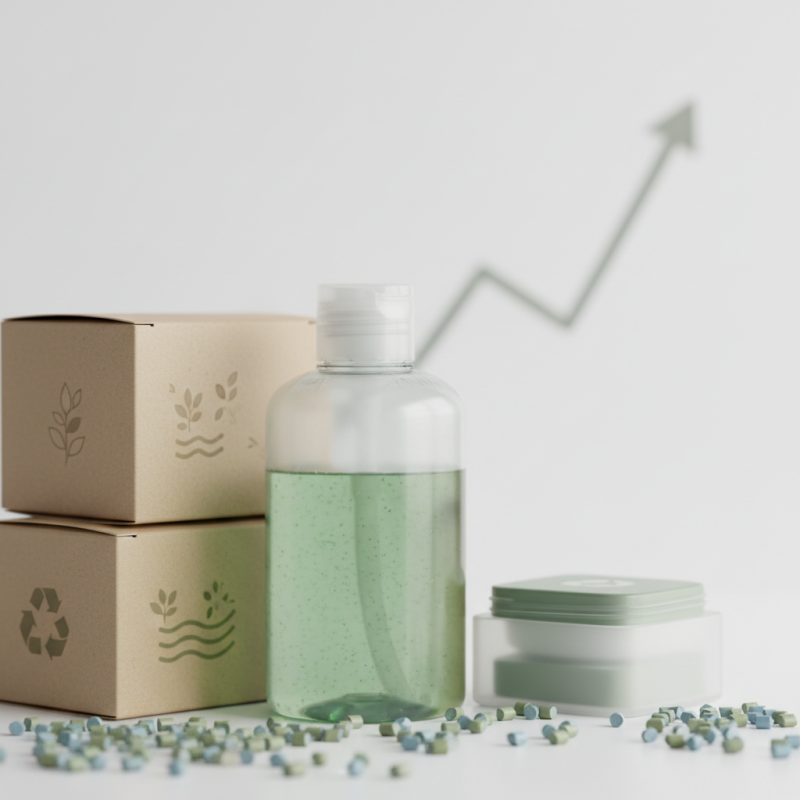
What is Post Consumer Resin Packaging and Its Benefits?

Definition of Post Consumer Resin (PCR) Packaging

Post Consumer Resin (PCR) packaging is made from recycled plastic waste. It utilizes materials collected from consumers, reducing the need for new plastic production. According to a 2023 report by the Association of Plastic Recyclers, about 30% of all plastic packaging in the US is now made with PCR content. This significant shift reflects a growing awareness of environmental issues.

The advantages of PCR packaging include lower carbon emissions and decreased landfill waste. A study by the Ellen MacArthur Foundation indicates that using PCR can cut carbon footprints by up to 50%. However, challenges remain. The quality of PCR materials can vary, leading to potential concerns about durability and appearance. Consumers sometimes perceive products utilizing PCR as inferior, which can impact purchasing decisions.

Recognizing these hurdles is essential. Brands must educate consumers about the benefits of PCR. They need to enhance the quality and performance of recycled materials. Efforts to clear misconceptions in the market are necessary for PCR to thrive. Collaboration among manufacturers could also drive innovation. The potential is vast, yet the path is not without obstacles.

Types of Materials Used in PCR Packaging

Post Consumer Resin (PCR) packaging is gaining popularity. It utilizes recycled materials from consumer products. This shift reduces waste and promotes sustainability. The main goal is to create eco-friendly packaging solutions.

Several types of materials are commonly used in PCR packaging. One popular type is recycled PET (rPET). This material comes from plastic bottles and containers. It is durable and suitable for various products.

Another type is recycled HDPE. This is often derived from containers like milk jugs. It is strong and lightweight, making it a practical choice.

Though PCR packaging has benefits, it faces challenges. The quality of recycled materials can vary. Some might not be as robust as virgin materials. There’s also the issue of contamination during recycling. This impacts the final product’s integrity. Awareness around these issues is growing, but solutions are still needed.

Environmental Benefits of Using PCR Packaging

Post Consumer Resin (PCR) packaging is an innovative solution for reducing waste. This type of packaging is made from recycled materials that have previously been used by consumers. Utilizing PCR materials helps to lessen the demand for new plastics. As a result, fewer resources are extracted from the Earth.

One major environmental benefit of PCR packaging is the reduction in greenhouse gas emissions. Manufacturing new plastic requires a significant amount of energy, typically derived from fossil fuels. In contrast, recycling existing materials uses less energy and minimizes harmful emissions. Additionally, using PCR reduces landfill waste. It gives new life to plastics that might otherwise pollute oceans or landscapes.

Tips: Always look for packaging that indicates it contains PCR. You can also support brands that prioritize sustainable practices. Even small choices can lead to a meaningful impact on the environment.

Adopting PCR packaging is not without challenges. The quality can vary, and not all recycled materials are suitable for high-end products. This means consumers may encounter products that don’t meet their expectations. It’s essential to be aware of these limitations as we embrace more sustainable packaging options. Engaging with companies that are transparent about their production processes can also foster accountability.

What is Post Consumer Resin Packaging and Its Benefits?

Benefits Description
Reduces Landfill Waste Using PCR reduces the amount of plastic waste sent to landfills by repurposing existing materials.
Conserves Resources PCR packaging minimizes the demand for virgin materials, which helps preserve natural resources.
Lower Carbon Footprint The production of PCR materials typically emits less greenhouse gas compared to creating new plastic.
Encourages Recycling Using PCR increases the market demand for recycled materials, promoting a circular economy.
Consumer Appeal Many consumers prefer products that are environmentally friendly, enhancing brand loyalty and image.

Economic Advantages of PCR Packaging for Businesses

Post Consumer Resin (PCR) packaging is gaining traction among businesses. Many are recognizing its economic advantages. Using recycled materials reduces the costs associated with raw materials. Brands can attract eco-conscious consumers by adopting PCR packaging. This alignment can lead to increased sales and customer loyalty.

However, transitioning to PCR packaging has its challenges. Some may find it difficult to source high-quality, consistent recycled materials. There is also a need for investment in modern recycling technologies. Businesses may hesitate due to perceived higher upfront costs. Yet, the long-term savings can outweigh initial investments.

Moreover, companies can enhance their brand image with PCR packaging. This eco-friendly choice often resonates well with consumers. It can improve a brand's reputation and foster a positive relationship with the environment. Nevertheless, businesses must ensure they are transparent about their practices. Misleading claims can damage trust. Authenticity is key in the journey toward sustainability.

Challenges and Solutions in PCR Packaging Adoption

The shift towards Post Consumer Resin (PCR) packaging brings both opportunities and challenges. Many companies aim to adopt this eco-friendly option to reduce waste. However, the transition is not always easy. There are obstacles like sourcing processed materials and ensuring quality standards. Some manufacturers struggle with inconsistent supply, making it hard to rely solely on PCR.

Moreover, cost can be a significant hurdle. Often, PCR materials are pricier than virgin plastics. Companies might hesitate, fearing potential impacts on pricing and profit margins. It's crucial for organizations to weigh benefits against costs carefully. They need to reflect on their sustainability goals while considering these financial implications.

Education is vital in overcoming these barriers. Training staff on the benefits of PCR can drive momentum. Collaboration with suppliers can help in securing stable material sources. Each step taken towards understanding and implementing PCR can be a step towards a better future. While challenges are present, solutions exist through determination and strategic planning.

FAQS

: What is Post Consumer Resin (PCR) packaging?

: PCR packaging is made from recycled plastic waste. It uses materials collected from consumers.

What are the benefits of using PCR packaging?

It reduces carbon emissions and landfill waste. Studies show it can lower carbon footprints by up to 50%.

Are there challenges with PCR materials?

Yes, the quality of PCR can vary. This leads to concerns about durability and appearance.

How do consumers view PCR products?

Some consumers see PCR products as inferior. This perception can affect their purchasing decisions.

What can brands do to support PCR packaging?

Brands should educate consumers about PCR benefits. They need to improve the quality of recycled materials.

What economic benefits does PCR packaging offer businesses?

It reduces raw material costs and attracts eco-conscious consumers. This can lead to increased sales.

What challenges do businesses face when adopting PCR packaging?

Sourcing high-quality recycled materials can be difficult. Businesses may also worry about initial investment costs.

How does PCR packaging impact a brand's image?

Using PCR can enhance a brand’s reputation. Consumers often appreciate eco-friendly choices.

Why is transparency important for businesses using PCR?

Misleading claims can harm consumer trust. Authenticity plays a vital role in sustainability efforts.

What is needed for PCR to thrive in the market?

Misconceptions must be cleared. Collaboration among manufacturers can also drive innovation and improve quality.

Conclusion

Post Consumer Resin Packaging, commonly referred to as PCR packaging, is derived from materials that consumers have already used and discarded. This innovative approach utilizes various recycled materials, such as plastics and paper, to create new packaging solutions, reducing the demand for virgin materials. By integrating recycled content, companies can significantly lower their environmental footprint, minimizing landfill waste and conserving natural resources.

The use of PCR packaging not only offers environmental benefits but also provides economic advantages for businesses. Companies can reduce production costs and enhance their sustainability profile, appealing to the eco-conscious consumer market. However, challenges such as the quality of recycled materials and the need for effective collection systems remain. Solutions can be developed through technological advancements and collaborative efforts across the supply chain, paving the way for broader adoption of Post Consumer Resin Packaging in various industries.

Aria

Aria

Aria is a dedicated marketing professional with a deep passion for innovative strategies and a keen understanding of our company's product offerings. With a wealth of experience in the industry, Aria excels at crafting engaging content that highlights the unique features and benefits of our......