Top 10 Ways to Protect Products from Damage in Plastic Packaging?

Time:2026-06-24 Author:Mason
0%

Packaging is a critical component in logistics and distribution, particularly when it comes to ensuring product integrity. In an industry where damage can lead to significant losses, understanding how to protect products from damage in plastic packages is essential. Expert John Smith, a leading figure in packaging solutions, emphasizes, "Proper packaging can prevent up to 80% of product damage during transportation."

The packaging industry is evolving with innovative materials and techniques. However, many companies still face challenges in applying effective strategies. Plastic packaging, while versatile, can sometimes lead to unforeseen risks such as crushing, punctures, or exposure to environmental factors. Understanding these risks is the first step in enhancing product safety.

Choosing the right plastic materials and designs can minimize damage. It’s not just about the aesthetics; functionality matters greatly. Often, companies overlook the impact of a well-structured package. Effective packaging should not only seal the product but also cushion it against shocks and provide barriers to moisture and contaminants. Reflecting on these factors can lead to better decisions that ultimately protect products from damage in plastic packages.
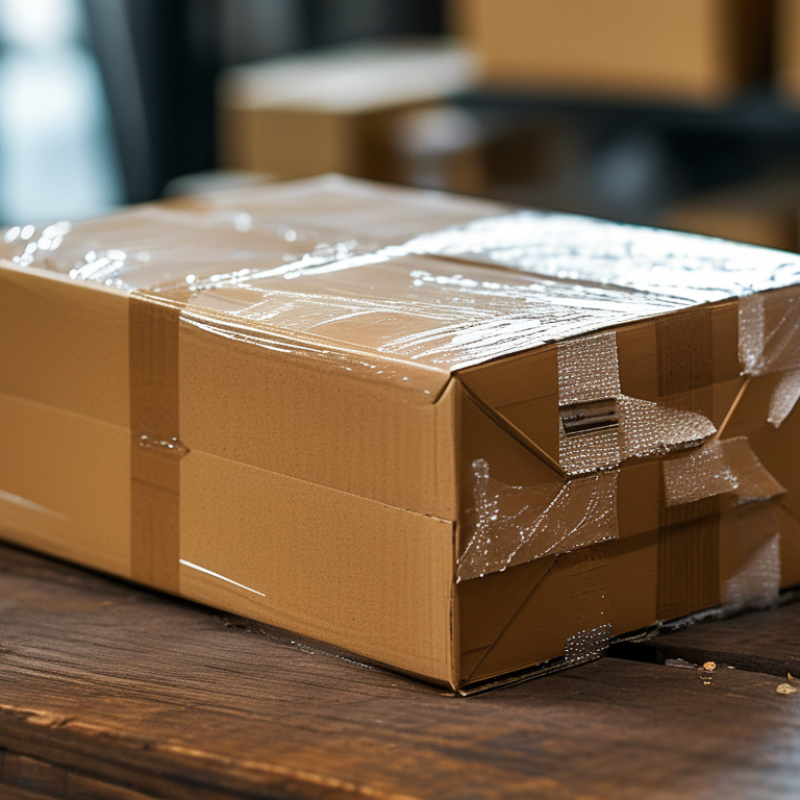
Top 10 Ways to Protect Products from Damage in Plastic Packaging?

Selecting the Right Type of Plastic for Packaging Durability

Selecting the right type of plastic for packaging is crucial for product protection. Durable plastics can significantly reduce the risk of damage during transportation and storage. For example, polyethylene is flexible and strong, making it ideal for cushioning fragile items. On the other hand, polypropylene is resistant to moisture and chemicals, suitable for food products or electronics.


It's essential to consider the specific needs of the products being packed. Not all plastics perform equally under different conditions. Some may crack or become brittle in cold environments. Others might degrade when exposed to UV light. Regular testing of packaging materials can reveal these weaknesses, ensuring a suitable choice is made.


Reflecting on past experiences can guide future decisions. A pilot test with various plastics might show unexpected results. Sometimes, thicker packaging seems secure but is unnecessarily heavy. Balancing protection and cost is an ongoing challenge. Manufacturers need to stay updated on the latest developments in plastic technology to enhance their packaging strategies effectively.

Designing Packaging that Absorbs Impact Effectively

Effective packaging design plays a crucial role in protecting products from damage. One of the key strategies is utilizing materials that absorb impact. A study by the Packaging Association found that well-designed packaging can reduce damage by up to 30%. This statistic underscores the importance of impact-resistant materials.

Incorporating air-filled structures in packaging can significantly enhance its protective capabilities. These structures act as shock absorbers, dispersing force during transit. A 2021 report indicated that 60% of product damages during shipping result from inadequate packaging. Innovative designs, such as bubble wraps and molded pulp, can provide robust cushioning. They not only protect but also reduce waste, addressing sustainability concerns.

While many companies strive for the perfect packaging solution, imperfections can sometimes arise. Even minor design flaws can impact the overall effectiveness. It's essential to continually test and refine packaging strategies based on real-world shipping results. Regular feedback from customers can help identify weaknesses and lead to improved packaging solutions. By embracing a culture of reflection and adaptation, companies can enhance their packaging efficacy over time.

Incorporating Cushioning Materials to Prevent Product Movement

When packaging products, incorporating cushioning materials is essential. These materials can significantly reduce the risk of damage during transportation and handling. Adequate cushioning prevents movement, ensuring the product stays in place. Common materials include foam, bubble wrap, and molded pulp. Each offers varying levels of protection and can be selected based on the product's fragility.

One effective tip is to customize cushioning materials. Adding extra layers of foam or using thick bubble wrap can absorb shocks better. Additionally, make sure the packaging is snug. Loose items may collide with each other, leading to scratches or breaks. Always test different cushioning materials to see which provides the best protection for your products.

Another consideration is to opt for eco-friendly options. Many biodegradable cushioning materials are now available on the market. They provide solid protection while minimizing environmental impact. It's worth exploring these alternatives, as they can enhance your brand’s reputation. By prioritizing both safety and sustainability, you create a better product experience.

Utilizing Moisture and Temperature Control Techniques

Effective moisture and temperature control is essential in protecting products from damage in plastic packaging. High humidity can lead to condensation inside packages, potentially ruining sensitive items like electronics and food products. Using desiccants can help absorb excess moisture. These small packets can fit snugly within the packaging, creating a dry environment that enhances product longevity.

Temperature fluctuations can also pose risks. Extreme heat can weaken plastic packaging. Consider using temperature-sensitive indicators. These indicators change color to signal when temperatures exceed safe levels. This provides a visual cue for handlers to assess product integrity. However, the effectiveness of these methods often relies on proper handling and monitoring, which isn't always guaranteed.

All of these strategies require an understanding of the products being protected. Not all items react the same way to moisture or temperature changes. Regularly reviewing packaging methods can reveal gaps. This reflection is crucial for continuous improvement and ensuring products remain in top condition.

Implementing Quality Control Measures in Packaging Processes

Implementing quality control measures in packaging processes is essential for protecting products from damage. A systematic approach can significantly reduce risks. One effective measure is to conduct regular inspections of packaging materials. Ensuring that materials are of high quality is critical. Weak or substandard materials can lead to product loss.

Training employees is another key aspect. They should understand the importance of proper handling techniques. Providing guidance on how to assemble and seal packages reduces mistakes. Mistakes can lead to vulnerabilities. Checking for seal integrity should become routine.

Additionally, consider using automated systems. They can help monitor quality control more efficiently. Automated checks can quickly identify issues that human inspection might miss. However, it’s vital to review these systems regularly. Continuous improvement requires recognizing both strengths and weaknesses in the process. Emphasizing quality control creates a more reliable packaging process.

Top 10 Ways to Protect Products from Damage in Plastic Packaging

Method Description Benefits Example of Usage
Quality Material Selection Use high-quality plastic that can withstand environmental conditions. Reduces risk of tearing and increases durability. Using polyethylene for food products.
Proper Sealing Techniques Ensure seals are airtight and secure to prevent contamination. Increases shelf life and product safety. Heat sealing for electronics packaging.
Shock Absorption Features Incorporate materials that absorb impact during transport. Minimizes damage during shipping. Foam inserts in packaging for fragile items.
Temperature Control Use packaging that insulates against extreme temperatures. Protects products from heat or cold damage. Thermal packaging for pharmaceuticals.
Moisture Barrier Select materials that provide moisture resistance. Prevents spoilage and mold. Use of moisture-resistant films for food packaging.
Visual Inspection Implement visual checks during the packaging process. Catching defects early prevents faulty packaging. Inspecting bottles for cracks or defects.
Automated Quality Control Use machines to monitor packaging quality consistently. Increases consistency and reduces human error. Using scanners to verify packaging integrity.
Custom Packaging Solutions Develop packaging tailored to specific product shapes. Better fit means less movement and damage risk. Custom molded plastic for unique product shapes.
Feedback Loop Implement a system for collecting feedback on packaging. Continuous improvement based on real user experiences. Surveys from customers regarding packaging issues.

FAQS

: Why is selecting the right type of plastic important for packaging?

: The right plastic protects products during transport and storage, reducing damage risk.

How does polyethylene compare to polypropylene?

Polyethylene is flexible and strong, great for cushioning. Polypropylene resists moisture and chemicals, ideal for food and electronics.

What issues can affect plastic performance in packaging?

Some plastics may crack in cold or degrade under UV light. Understanding these factors is critical.

What role do desiccants play in packaging?

Desiccants absorb excess moisture, creating a dry environment that helps protect sensitive items.

How can temperature fluctuations impact packaging?

Extreme heat can weaken plastic. Temperature-sensitive indicators can signal when safe limits are exceeded.

What are common quality control measures in packaging?

Regular inspections of packaging materials and employee training on handling techniques are essential.

How can automation benefit packaging quality control?

Automated systems can quickly find issues that might be missed by human checks, enhancing efficiency.

Why is regular review of packaging methods important?

Regular reviews help identify gaps and promote continuous improvement in packaging effectiveness.

What should manufacturers do to stay updated?

Manufacturers need to keep informed about new plastic technologies to improve their packaging strategies.

Why is balancing protection and cost a challenge?

Thicker packaging may seem secure but can be heavy. Finding the right balance requires ongoing consideration.

Conclusion

When considering how to protect products from damage in plastic packages, it is essential to focus on several key strategies. First, selecting the right type of plastic ensures packaging durability; materials should be chosen based on their ability to withstand environmental stressors. Additionally, designing packaging that effectively absorbs impact is crucial; shapes and structures can be optimized to minimize damage during transportation.

Incorporating cushioning materials within the packaging can help prevent product movement, further safeguarding items during handling. Furthermore, utilizing moisture and temperature control techniques is vital for maintaining product integrity, especially for sensitive goods. Lastly, implementing quality control measures throughout the packaging process ensures consistency and reliability, which plays a significant role in protecting products from potential damage. By following these guidelines, businesses can significantly enhance the protection of their products packaged in plastic.

Mason

Mason

Mason is a seasoned marketing professional with a deep expertise in the company's offerings and a passion for driving brand awareness. With a strong background in digital marketing strategies, he has an innate ability to connect with diverse audiences and effectively communicate product benefits.......