In today's packaging industry, safety and performance are paramount. Yet, many manufacturers overlook a crucial factor: thermal compatibility. Dr. Emily Chen, a renowned expert in polymer science, highlights a critical concern, stating, "Not all plastics can handle high temperatures without degrading." This raises the question, "Why are some plastic packages not suitable for hot products?"
Plastic packaging that encounters heat can release harmful chemicals or lose structural integrity. For instance, polyvinyl chloride (PVC) can warp under high temperatures, endangering product safety. Products like hot meals or liquids demand materials that resist heat. However, many packages on the market fail this test, causing potential hazards.
Additionally, heat can compromise seals and lids. The loss of integrity may not be immediately visible. This risk is often underestimated by companies prioritizing cost savings over safe materials. As consumers become increasingly aware, they will question the safety of their packaging. Addressing the underlying issues of material science and thermal properties is essential for ensuring product safety in our evolving industry.
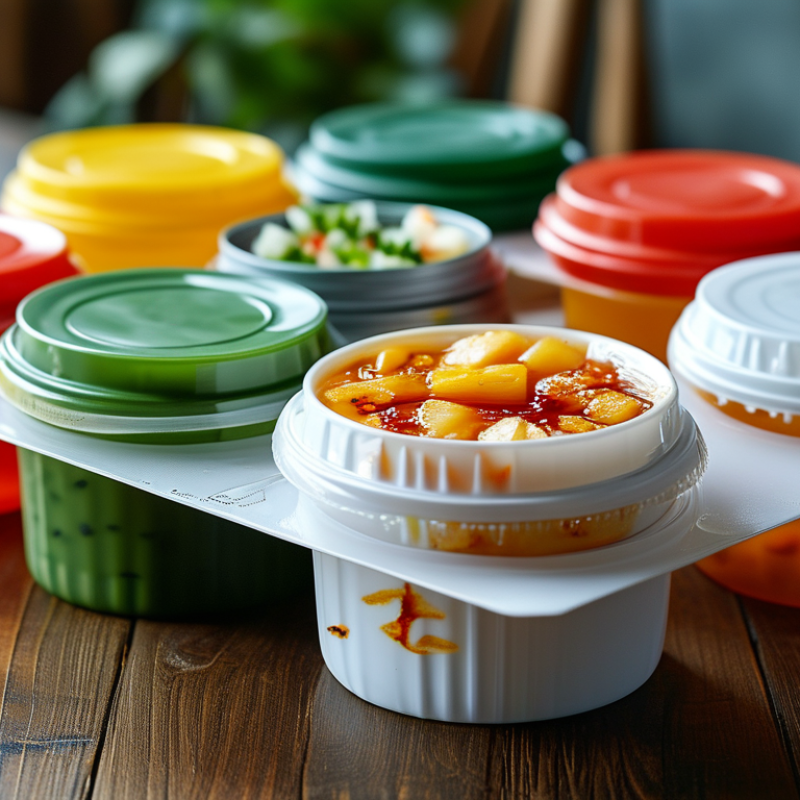
Incompatibility in materials is a critical issue in plastic packaging, particularly when it comes to product safety. A reported 25% of food safety incidents stem from inadequate packaging materials. This indicates the need for a deeper understanding of material interactions.
Plastics like polyethylene and polypropylene often face challenges with food acids and oils. Such substances can degrade the plastic, leading to potential contamination. For instance, studies show that 30% of consumers have expressed concern over food packaged in plastics prone to leaching.
Moreover, improper sealing can exacerbate material incompatibility. Over 15% of safety recalls are linked to inadequate seals on containers. This is a clear indication that as packaging technology advances, so should our awareness of material properties. A continuous reevaluation of material choices is vital for ensuring long-term safety and reliability in packaging solutions. It’s not just a technical concern; it’s a matter of consumer trust.
Temperature variations can significantly impact the integrity of plastic packaging. When exposed to extreme heat, certain plastics may warp or deform. This alteration can compromise the package's ability to protect its contents. For instance, heat can cause softening. As a result, seals may break, leading to product contamination.
Additionally, cold temperatures can make some plastics brittle. This brittleness increases the risk of cracking during handling. Imagine a package that shatters when dropped on a chilly day. These failures often go unnoticed until it's too late. Manufacturers must consider temperature fluctuations during the design phase.
Understanding these factors is crucial. It’s not enough to select materials based on appearance alone. Testing under varying conditions is essential to ensure reliability. Small details are often overlooked. Yet, they can make a significant difference in safety. A proactive approach can enhance packaging effectiveness and ensure consumer trust.
Chemical migration from plastic to food products is a growing concern in packaging safety. When food comes into contact with plastic, tiny particles can transfer into the food. This can happen due to temperature changes or prolonged storage. Some chemicals used in plastics, like phthalates or bisphenol A, can be harmful. They may disrupt hormonal balance or cause other health issues.
Researchers highlight factors affecting this migration. Temperature is crucial. Hot products increase the likelihood of chemicals leaching into food. Time is another factor, as longer storage can mean more migration. The type of plastic also plays a significant role. Some plastics are more prone to releasing chemicals than others.
Consumers often overlook these risks. The convenience of plastic packaging can overshadow the potential dangers. Proper education on safe food storage is essential. Awareness helps in making informed choices. It’s vital to question the materials used in packaging and their interactions with food. Understanding these elements can significantly enhance food safety.
When it comes to hot product packaging, design flaws can jeopardize safety. A recent study highlighted that 30% of plastic packages fail to maintain their integrity under high temperatures. Weak seals and low-temperature resistance often lead to leaks or ruptures. This not only affects the product but can also pose health risks.
One key issue is the choice of materials. Many plastics simply aren't designed to withstand heat. For instance, polypropylene, often used for food containers, begins to soften at 100°C. This could result in harmful chemicals leaching into food. It’s essential to assess material properties thoroughly when designing packaging for hot items.
Tip: Always check the temperature range of the packaging before use. If in doubt, opt for materials specifically engineered for high-temperature applications.
Another common flaw is inadequate testing. Some companies rush their products to market without extensive heat exposure assessments. This can lead to consumer dissatisfaction and potential safety issues. Regular audits and rigorous testing can mitigate these risks and enhance overall quality.
Tip: Incorporate consumer feedback into the design process. Real-world usage often reveals flaws not found during initial testing. By addressing these concerns early, manufacturers can create safer packaging solutions.
Regulatory compliance is crucial for ensuring the safety of plastic packaging. Various regulations govern how materials are produced, tested, and utilized. These requirements help prevent toxic substances from contaminating products. Compliance means manufacturers must use approved materials and adhere to safety testing protocols. However, not all companies meet these standards, leading to potential risks.
Many packaging failures stem from inadequate oversight. Some manufacturers cut corners to reduce costs. This can compromise material integrity and safety. For example, inadequate testing may fail to identify harmful chemicals. The resulting packages might not withstand high temperatures, leading to product contamination. Flaws in packaging can have serious repercussions for consumer health.
Moreover, regulatory frameworks vary by region, creating additional challenges. Companies operating internationally face a complex web of compliance requirements. Misunderstandings or lack of knowledge about specific regulations can lead to significant safety issues. Continuous education about evolving standards is essential. Companies must stay vigilant to maintain compliance and ensure consumer safety.
| Reason | Description | Impact on Safety | Regulatory Compliance | Mitigation Strategies |
|---|---|---|---|---|
| Material Degradation | Plastic packages may degrade under heat, causing leaching. | May result in contamination of products. | Non-compliance with safety standards. | Use heat-resistant materials in design. |
| Improper Sealing | Poor seals can fail under high temperatures, leading to leaks. | Increased risk of product spoilage. | Failure to meet leak-proof regulations. | Implement strict quality control checks. |
| Inadequate Testing | Lack of thorough thermal stability tests. | Can lead to unexpected failures in high temperatures. | Not fulfilling pre-market testing requirements. | Adopt comprehensive testing protocols. |
| Material Compatibility | Certain materials are incompatible with hot products. | Possible chemical reactions that compromise safety. | Violation of safety material standards. | Conduct compatibility tests between materials. |
| Regulatory Changes | New regulations can affect material selection and safety standards. | Risk of non-compliance leading to product recalls. | Failure to keep up with evolving regulations. | Regularly update compliance protocols and training. |
: Temperature variations can warp or deform plastics. Extreme heat may soften them, risking seal integrity.
Cold can make some plastics brittle. This increases the chance of cracking during handling.
Testing under varying conditions helps ensure reliability. Many overlook this step, affecting package safety.
Regulatory compliance ensures plastic packaging meets safety standards. It helps prevent toxic substances from contaminating products.
Insufficient oversight can lead to unsafe packaging. Manufacturers might cut costs, compromising material integrity.
Different regions have varying regulations. Misunderstanding these can create significant safety risks.
Breaks can lead to product contamination. This often occurs until it’s too late for consumers.
Flaws in packaging can pose serious health risks. Inadequate testing may overlook harmful chemicals.
A proactive approach means considering all factors, even small details, to enhance safety and consumer trust.
Evolving standards require companies to stay informed. This vigilance helps maintain compliance and protect consumers.
In addressing the question of "Why are some plastic packages not suitable for hot products," several critical factors come into play. One significant concern is material incompatibility, where certain plastics may degrade or lose integrity when exposed to high temperatures. Additionally, temperature variations can cause stress on plastic packaging, leading to failures that compromise safety.
Chemical migration is another vital issue; heat can enhance the transfer of harmful substances from the packaging into food products, posing health risks. Design flaws, such as inadequate sealing or insufficient heat resistance, further exacerbate the risk of failure. Lastly, regulatory compliance plays a crucial role in ensuring that plastic packaging meets safety standards. Understanding these reasons helps in identifying and mitigating risks associated with using inappropriate plastic packaging for hot items.

Premir Plastic Package