How to Recycle Plastic Packages the Right Way?

Time:2026-07-31 Author:Madeline
0%

Plastic packages are a significant part of our everyday life. With the rise of convenience culture, we often overlook the impact of our plastic consumption. Understanding how to recycle plastic packages properly is crucial for reducing waste and promoting sustainability. Many people struggle with this process, leading to confusion about what can be recycled.

Recycling plastic packages involves more than just tossing them in a bin. Each type of plastic has different properties and recycling protocols. For example, not all plastics are recyclable in every area. This creates challenges for individuals seeking to do the right thing. The lack of clear instructions can lead to contamination, ultimately harming the recycling process.

It's vital to stay informed and learn best practices for recycling. Understanding your local guidelines can greatly enhance your efforts. Despite our good intentions, sometimes we fall short. Learning how to recycle plastic packages properly takes time and effort, but it is an essential step towards a greener future.
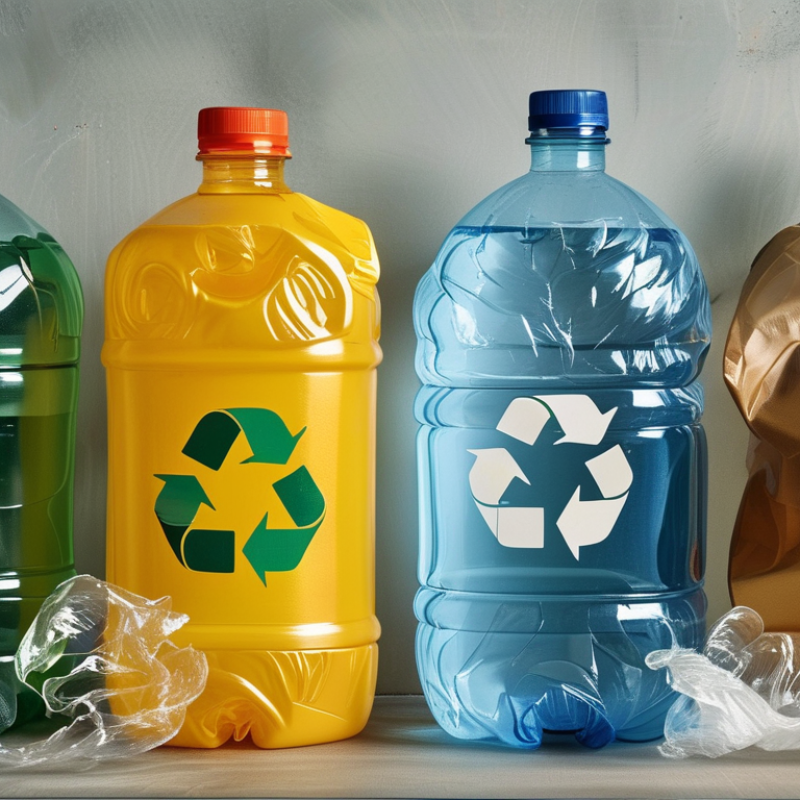
How to Recycle Plastic Packages the Right Way?

Understanding the Importance of Recycling Plastic Packages

Recycling plastic packages is crucial for environmental sustainability. The plastic waste crisis demands urgent action. Every year, millions of tons of plastic end up in landfills and oceans. This pollution threatens wildlife and disrupts ecosystems. Understanding how to properly recycle plastic helps alleviate these issues.

Many people struggle to identify which plastics are recyclable. Not all plastic can be processed the same way. Certain types, like polyethylene and polypropylene, are widely accepted. Others, such as polystyrene, often cannot be recycled. It can be confusing, leading to mistakes in disposal. Misplaced plastics can contaminate whole batches of recyclable materials.

Taking the time to learn what can be recycled is valuable. Local guidelines differ, so checking local regulations is key. Moreover, reducing plastic use in daily life is just as important. Simple practices like using reusable bags can make a difference. We must all reflect on our habits and strive for meaningful change.

How to Recycle Plastic Packages the Right Way? - Understanding the Importance of Recycling Plastic Packages

Plastic Type Recyclability Common Products Recycling Code Environmental Impact
Polyethylene Terephthalate (PET) Widely Recyclable Water Bottles, Soft Drink Bottles 1 Recycled PET can be used for new bottles and textiles.
High-Density Polyethylene (HDPE) Widely Recyclable Milk Jugs, Detergent Bottles 2 Recycling HDPE reduces energy consumption and landfill waste.
Polyvinyl Chloride (PVC) Can be Recycled, But Less Common Pipes, Vinyl Siding 3 Can release harmful chemicals when burned.
Low-Density Polyethylene (LDPE) Limited Recycling Options Grocery Bags, Some Food Wraps 4 Landfills can accumulate a significant amount of LDPE.
Polypropylene (PP) Somewhat Recyclable Yogurt Containers, Straws 5 Can be made into reusable containers and automotive parts.

Identifying Different Types of Plastic Materials

Identifying different types of plastic materials is crucial for effective recycling. Many consumers are unaware that plastic comes in various forms. Each type has unique properties and recycling processes. The Society of the Plastics Industry (SPI) developed the resin identification code. This code helps classify plastics from 1 to 7, based on their chemical composition.

Type 1, PETE, is often used in beverage bottles. It is widely recycled, with a recycling rate nearing 29% in the United States, according to the EPA. Type 2, HDPE, is used in containers and bags. Its recycling rate is higher, around 30%. However, not all localities recycle every type. Some regions don’t accept types 3-7 at all. This inconsistency leads to confusion.

Many consumers may unknowingly toss materials that cannot be recycled. Items like PVC (Type 3) and polystyrene (Type 6) frequently end up in landfills. A study from the Plastic Pollution Coalition revealed that millions of tons of plastic waste are improperly disposed of each year. Adopting better habits and understanding local recycling rules is vital. Individual efforts can make a significant impact on recycling rates.

Steps to Clean and Prepare Plastic Packages for Recycling

Recycling plastic packages requires proper cleaning and preparation. Start by rinsing out containers. Even small amounts of food can contaminate recycling. Empty bottles and jars should be clean. You don’t need to scrub them excessively, just a quick rinse will do. Remove lids and caps. They are often made from different plastics that recycling facilities may not accept.

Next, flatten larger items like boxes. This saves space in your recycling bin. If you have plastic bags, check if your local facility accepts them. Many do not, so consider taking them to grocery stores that offer specific recycling for bags. It’s important to stay informed about local rules. Recycling guidelines can differ significantly from one area to another.

Lastly, reflect on your habits. Are you prioritizing recyclable options? Rethink your choices and consider reusing when possible. Sometimes, alternatives to plastic are more sustainable. Being mindful of your consumption can greatly impact the amount of waste produced. Switching to refillable containers can be an easy, effective change.

Where to Find Local Recycling Facilities and Guidelines

Recycling plastic packages can seem overwhelming. However, finding local recycling facilities doesn't have to be. Many communities offer resources to help you navigate the recycling process. Start by checking your city’s waste management website. They often provide guidelines tailored to your area.

Local recycling drop-off centers can vary. Some might accept a wide range of plastics, while others may have stricter rules. It’s crucial to know what types of plastic are accepted. Look for labels that indicate recyclability. Rinse out containers to ensure cleanliness before recycling. This small step can make a significant impact.

Keep in mind that even with resources, not all plastics can be recycled effectively. Some facilities may struggle with contamination from non-recyclables. So, pay attention to the guidelines. It’s worth verifying what is recyclable in your locality. Small mistakes can lead to larger issues in the recycling process. Engaging actively with local recycling efforts fosters a meaningful commitment to sustainability.

Common Mistakes to Avoid in Plastic Recycling Practices

Recycling plastic packages can be tricky. Many people unknowingly make common mistakes that hinder recycling efforts. One major error is failing to clean containers before recycling. Residue left in bottles or tubs can contaminate other recyclables. Rinsing your containers can prevent this issue. If you're not sure, a quick rinse goes a long way.

Another mistake is disregarding local recycling guidelines. Each area has specific rules about what can be recycled. Some plastics are accepted, while others are not. Always check local guidelines to understand what items are eligible. Using a wrong plastic type can lead to waste that ends up in landfills instead of being properly recycled.

It's also important to not recycle plastic bags in curbside bins. Many recycling facilities do not accept bags or wraps. These can tangle equipment and cause delays. Instead, seek out designated drop-off locations for plastic bags. Every action counts. Being mindful of these common pitfalls enhances the effectiveness of recycling efforts.

FAQS

: Why is recycling plastic packages important?

: Recycling plastic is vital for sustainability. It helps reduce waste in landfills and oceans.

What types of plastics can be recycled?

Polyethylene and polypropylene are generally recyclable. Other types may not be accepted.

How can I avoid mistakes when recycling?

Rinse containers before recycling to prevent contamination. This step is often overlooked.

Should I follow local recycling guidelines?

Yes, local guidelines vary. Always check what is acceptable in your area for recycling.

Can I recycle plastic bags in curbside bins?

No, plastic bags often can't be recycled in curbside bins. Use designated drop-off locations instead.

What happens if I recycle the wrong plastic?

Using the wrong plastic can result in contamination. This might lead to more waste in landfills.

How can I reduce my plastic use at home?

Use reusable bags and containers. Every small action can contribute to less plastic waste.

What should I consider about my recycling habits?

Reflect on your habits and make small changes. Awareness can lead to meaningful improvement in recycling.

Why do some people struggle with recycling?

Many find it confusing to identify recyclable plastics. The rules can vary widely from place to place.

Is it enough to just recycle plastic?

Recycling helps, but reducing overall plastic use is equally important for the environment.

Conclusion

In the article "How to Recycle Plastic Packages the Right Way," the importance of recycling is emphasized, particularly the need to manage plastic waste effectively. It begins by explaining the critical role recycling plays in environmental conservation and the reduction of landfill waste. The article categorizes various types of plastic materials, which is essential for understanding what can and cannot be recycled.

To ensure proper recycling, it outlines the necessary steps for cleaning and preparing plastic packages before disposal. Furthermore, it provides guidance on locating local recycling facilities and highlights common pitfalls to avoid during the recycling process. By following these guidelines, readers can learn how to recycle plastic packages properly, contributing to a more sustainable future and reducing the environmental impact of plastic waste.

Madeline

Madeline

Madeline is a dedicated marketing professional with a wealth of expertise in our company's core offerings. With a keen understanding of the industry, she brings a unique perspective to her role, consistently delivering high-quality content that highlights the superior aspects of our products. As......