The rising demand for biodegradable plastic packaging stems from growing environmental concerns. In 2023, over 60% of consumers prioritized sustainable packaging choices, according to a recent industry survey. This shift signifies a critical change in purchasing behavior. As landfill waste continues to increase, traditional plastics remain a pressing environmental issue.
Why are biodegradable plastic packages becoming popular? The answer lies in their potential to reduce pollution and waste. Biodegradable packaging can decompose within months, leaving minimal environmental impact. A report by XYZ Research indicated a projected market growth of 20% annually for biodegradable plastics over the next five years. This trend highlights a demand for eco-friendly solutions in sectors like food and beverage.
Moreover, brands are recognizing the value of sustainability in attracting consumers. Yet, there is a need for transparency and education. Many consumers are still unclear about the differences between biodegradable and traditional plastics. Addressing this confusion is crucial for the continued growth of biodegradable packaging. Ensuring quality and reliability in these products is equally important for gaining consumer trust.
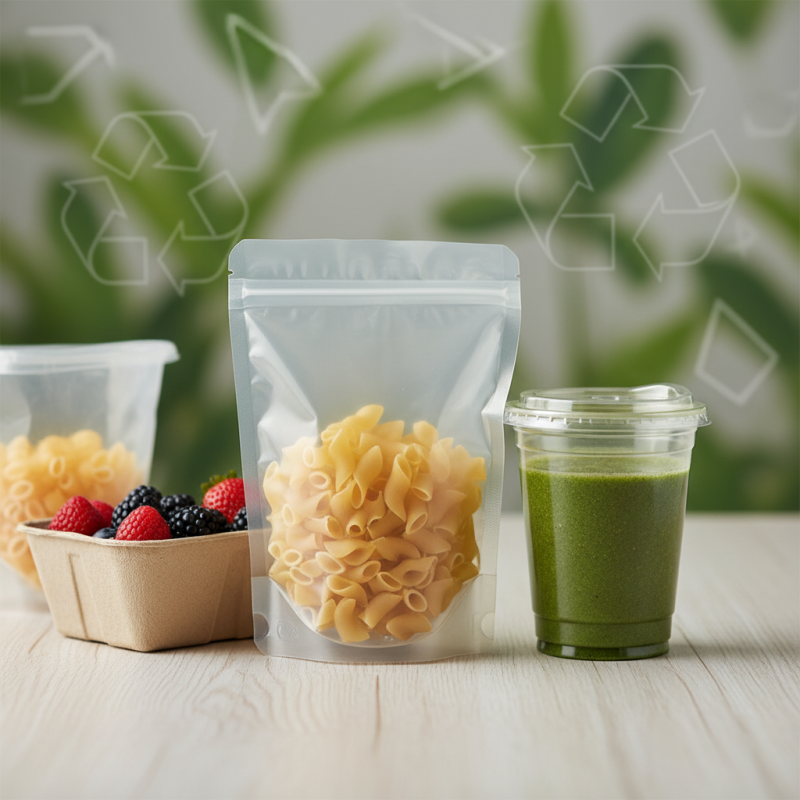
The rise in demand for biodegradable plastic packaging stems from growing environmental concerns. Plastic waste poses a severe threat to ecosystems. Ocean pollution, landfills, and wildlife endangerment drive this awareness. Many consumers are now more informed about these issues. They seek alternatives that lessen their ecological footprint.
Innovative biodegradable materials degrade faster than traditional plastics. They promise less harm to the environment. People are looking for packaging that won’t linger for centuries. However, not all biodegradable options perform equally. Some still require specific conditions to break down. This inconsistency can lead to confusion among consumers.
Education plays a critical role in this shift. People need guidance in identifying truly eco-friendly products. Misleading labels can undermine trust. As the demand rises, manufacturers face challenges producing sustainable options. Balancing cost, performance, and environmental impact is no easy task. Thoughtful choices and transparency are essential moving forward.
Consumer awareness about environmental issues is rising, leading to a shift toward biodegradable plastic packaging. Many shoppers now prioritize sustainability in their purchasing decisions. The negative impact of traditional plastics on the environment has made people more conscious. As plastic waste continues to pollute oceans and harm wildlife, individuals seek alternatives that are less harmful.
For businesses, adopting biodegradable packaging is a step toward sustainability. It meets customer demands while showing a commitment to the planet. Companies can enhance their brand image by offering eco-friendly options. Consumers appreciate transparency about sourcing and materials used in packaging. This increased awareness encourages companies to innovate and improve their practices continually.
Tips for businesses: Educate customers about the benefits of biodegradable materials. Create clear labeling to help consumers understand your packaging choices. Engaging in local sustainability initiatives can also build community trust. Ensure your packaging is both functional and aligns with your commitment to the environment. This can enhance customer loyalty while promoting responsible consumption.
Government regulations are playing a crucial role in the rising demand for biodegradable plastic packaging. Many countries are implementing strict laws to reduce plastic waste. Authorities are pushing businesses to explore eco-friendly options. These regulations encourage innovations in packaging materials. Brands must adapt to these changes or face penalties.
Policies promoting biodegradable alternatives often come with incentives. Governments provide grants to firms that develop sustainable packaging. This financial support can drive research and development. Additionally, there are tax breaks for companies using biodegradable materials. Such measures motivate businesses to shift away from traditional plastics.
However, challenges remain in this transition. Not all biodegradable plastics break down in natural environments. Some require specific conditions, making disposal complicated. Public awareness is also a hurdle. Many consumers still lack knowledge about biodegradable options. This gap necessitates better education on sustainability. Efforts must continue to ensure that biodegradable packaging meets consumer needs effectively.
| Year | Market Size (Million USD) | Growth Rate (%) | Key Drivers | Government Regulations |
|---|---|---|---|---|
| 2021 | 400 | 5 | Increased environmental awareness | Plastic bag bans in several regions |
| 2022 | 500 | 25 | Consumer preferences shifting | Incentives for sustainable packaging |
| 2023 | 650 | 30 | Support from eco-conscious brands | Regulations favoring compostable products |
| 2024 | 800 | 23 | Innovations in bioplastics | Global treaties on plastic waste reduction |
| 2025 | 1000 | 25 | Continued public pressure | Stricter emissions regulations |
The demand for biodegradable plastic packaging is soaring. Innovations in material science are driving this shift. Biodegradable plastics can break down faster in the environment, reducing pollution. According to the Plastics Industry Association, the global market for biodegradable plastics is expected to reach $6.5 billion by 2027. This reflects a growing inclination towards eco-friendly alternatives.
Recent advancements include new biopolymers made from renewable sources like cornstarch and sugarcane. These materials degrade more efficiently than traditional plastics. For instance, products made from polylactic acid (PLA) can decompose in just 90 days under proper conditions. However, scalability remains a challenge. The production costs are still higher compared to conventional plastics.
Moreover, new technologies in plastic waste treatment are emerging. One notable approach is enzymatic degradation, which uses specialized enzymes to break down plastics. This method shows promise but has not been widely adopted yet. Research indicates that more investment is needed to develop these solutions effectively. As the industry evolves, addressing these limitations is crucial for sustainable growth.
The demand for biodegradable plastic packaging has been steadily increasing over the years, driven by growing environmental awareness and innovations in biodegradable plastic technologies. The above chart illustrates the rise in demand from 2018 to 2022, highlighting a shift towards more sustainable packaging solutions.
The demand for biodegradable plastic packaging is rising due to several market trends and economic factors. Consumers are becoming more environmentally conscious. They prefer products that minimize ecological harm. This shift is evident in their purchasing choices. Brands are responding by adopting sustainable practices, which reflect their commitment to the planet.
Economic considerations also play a crucial role. As production methods for biodegradable materials improve, costs have begun to stabilize. This makes them more accessible for manufacturers. Moreover, governments are increasingly incentivizing the use of eco-friendly packaging. Regulations around single-use plastics are tightening globally, pushing businesses toward greener alternatives.
**Tip: Stay informed about innovations in biodegradable materials.** Keeping up with the latest research can help businesses align their strategies with sustainability trends. Understanding these shifts can offer a competitive edge.
Reflecting on these trends, it's essential to question whether the current pace is enough. Are companies genuinely prioritizing sustainability, or is it merely a marketing tactic? As the industry evolves, consumers must demand transparency and accountability in packaging choices.
: Growing environmental concerns, such as plastic waste’s harmful effects, drive this demand.
Biodegradable materials degrade faster and cause less environmental harm, but some still need specific conditions to break down.
Balancing cost, performance, and sustainability can be complicated for manufacturers aiming to meet consumer needs.
Education is crucial; many consumers lack knowledge about identifying truly eco-friendly options.
Regulations push businesses toward eco-friendly options, often providing incentives to encourage sustainable practices.
No, some require specific conditions, making consumer disposal understanding vital for proper waste management.
By keeping up with the latest research and innovations, businesses can align with sustainability trends.
It's worth questioning; companies sometimes use sustainability as a marketing tactic rather than a core value.
Transparency and accountability in packaging choices are essential for fostering true sustainable practices.
The rising demand for biodegradable plastic packaging can be attributed to several interconnected factors. Current environmental concerns, such as pollution and waste management issues, have heightened awareness around the ecological impact of traditional plastics. This has led consumers to increasingly prefer sustainable packaging options, prompting manufacturers to adapt to this consumer shift. Additionally, government regulations are progressively promoting biodegradable alternatives, incentivizing companies to innovate and invest in more eco-friendly materials.
Why are biodegradable plastic packages becoming popular? The answer lies in advancements in biodegradable plastic technologies that enhance performance and reduce costs. Furthermore, market trends and economic factors are shaping packaging choices, encouraging businesses to adopt sustainable practices that align with consumer values. As a result, the market for biodegradable packaging continues to grow, reflecting a broader commitment to environmental stewardship and sustainability.

Premir Plastic Package