In recent years, the safety of plastic packaging for food use has become a significant concern in the food industry. As consumers become more health-conscious, understanding "what makes a plastic package safe for food" is essential. According to a 2022 report by the Plastics Food Safety Advisory Group, nearly 65% of consumers worry about plastic packaging and its impact on food quality.
Dr. Sarah Cohen, a well-regarded expert in food safety, emphasizes the importance of material compliance: "Not all plastics are created equal; safety depends on the type of polymer used." This highlights the crucial role that specific ingredients and manufacturing processes play in ensuring the safety of food packaging. Factors such as potential chemical leaching and migration can significantly affect food integrity.
It is essential to remember that while many plastics are deemed safe, not all meet the stringent standards required for food contact. Ongoing research and regulatory assessments are vital for maintaining safety. Continuous advances in technology also challenge existing perceptions about plastic safety. As we navigate these complexities, awareness and education are keys to ensuring the safety of food packaging.
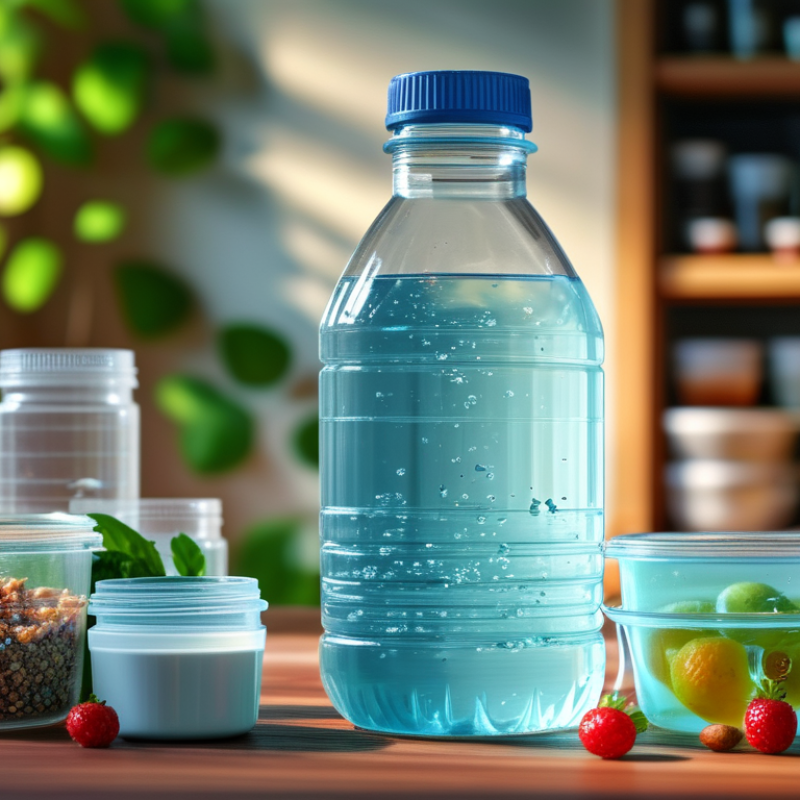
Types of Plastic Used in Food Packaging
When considering food packaging, the types of plastic materials play a crucial role in safety and usability. Polyethylene (PE) is one of the most common choices. It is widely used for bags and containers. Its versatility is notable, but issues with recycling and environmental impact raise questions. According to the Plastics Industry Association, about 30% of PE is recycled, leaving a significant portion in landfills.
Another common material is Polypropylene (PP), often found in yogurt containers and microwavable dishes. It boasts high chemical resistance, which helps maintain food freshness. Research indicates that PP can withstand higher temperatures, making it suitable for hot food items. However, concerns about additives in plastics remain. A study published in the Journal of Plastic Science found that some additives could migrate into food, leading to potential health risks.
Polyethylene Terephthalate (PET) is also prevalent, especially for beverage bottles. A report from the National Association for PET Container Resources states that nearly 58% of PET bottles were recycled in recent years, showing improvement. However, experts argue that the recycling processes are not perfect. Contaminants can compromise the recycling stream, leading to lower quality materials. Thus, while various types of plastics are essential for food packaging, their safety and environmental impact require ongoing scrutiny and improvement efforts.
Types of Plastics Used in Food Packaging
Regulatory Standards for Food-Grade Plastics
Understanding regulatory standards for food-grade plastics is essential for safe food packaging. These standards vary by region but generally focus on materials that do not leach harmful chemicals into food. Organizations like the FDA and EFSA evaluate plastic products and set limits on substances that can migrate into food. They also conduct safety assessments before any material is approved for use.
Another important aspect is the testing process for food-grade plastics. Manufacturers must provide evidence that their materials withstand various conditions, such as temperature and acidity. Not all plastics are suitable for every food product. For example, certain plastics may change when exposed to oils or acidic foods. Thus, proper labeling and usage guidelines are critical to ensure safety.
Even with strict regulations, challenges exist. Some additives in plastics may not be fully assessed for safety. Emerging concerns about chemical interactions are still being explored. This highlights the need for continual research and improvement in regulatory practices. Transparency among manufacturers is crucial for consumer trust. Understanding these complexities can empower consumers to make safer choices.
What Makes a Plastic Package Safe for Food Use? - Regulatory Standards for Food-Grade Plastics
| Material Type |
Common Uses |
Regulatory Standard |
Safety Considerations |
| Polyethylene (PE) |
Bags, containers |
FDA Compliance, EU Regulation 10/2011 |
Non-toxic, low risk of leaching |
| Polypropylene (PP) |
Food containers, microwave-safe products |
FDA Compliance, EU Regulation 10/2011 |
Resistant to chemicals, safe for hot food |
| Polyethylene Terephthalate (PET) |
Beverage bottles, food packaging |
FDA Compliance, EU Regulation 10/2011 |
Recyclable, low risk of chemical leaching |
| Polystyrene (PS) |
Disposable cutlery, plates |
FDA Compliance, EU Regulation 10/2011 |
Limited temperature resistance, potential leaching concerns |
| Low-Density Polyethylene (LDPE) |
Grocery bags, food wrap |
FDA Compliance, EU Regulation 10/2011 |
Non-toxic, good barrier properties |
Identification Codes and Their Significance
When it comes to food safety, understanding plastic packaging is crucial. Identification codes on plastic packages help consumers discern the safety levels of different materials. The American Chemistry Council states that over 70% of packaged food uses plastic, highlighting its prevalence in our daily lives. These identification codes are usually found inside the recycling symbol, ranging from one to seven. Each number indicates the type of plastic and its intended use.
For instance, PETE (identified as #1) is commonly used for water bottles and is known for its safety. Meanwhile, polyvinyl chloride (PVC, #3) has raised concerns due to potential toxins. Research shows that nearly 30% of consumers remain uninformed about these codes, which can lead to unsafe choices.
Tip: Always check the recycling symbol before purchasing plastic packaging. If in doubt, choose safer options like glass or metal.
Some plastics, such as polystyrene (#6), can leach harmful chemicals. Reports indicate that awareness of these risks is growing, yet many people still overlook them. Consumers need to be vigilant and informed to ensure their choices are safe.
Tip: Research the types of plastics you frequently encounter. It’s essential for safe food practices. Understanding these materials can help protect you and your family from potential health risks associated with improper packaging.
Safety Testing Procedures for Food Packaging
When it comes to food packaging, safety testing is crucial. It helps ensure the materials do not leach harmful substances into the food. Laboratories conduct various tests to determine how well materials hold up under different conditions. These tests simulate real-world scenarios, such as exposure to heat or moisture.
For example, one common method examines how long a packaged product can remain stable in various temperatures. Some materials may break down faster than others, releasing chemicals. Testing helps identify these potential issues before products reach consumers. There have been instances where packaging failed safety tests, raising concerns about long-term exposure to certain compounds.
Additionally, regulatory bodies set guidelines for these tests. Yet, some manufacturers may not meet all standards. This is an area needing improvement to protect public health. It is vital for consumers to remain aware and informed about the safety of their food packaging. Regular reviews and updates to testing procedures can enhance confidence in food safety.
Risks of Chemical Migration in Plastic Materials
When considering plastic packages for food use, chemical migration is a critical issue. Many plastics contain additives, such as stabilizers and colorants. These substances can slowly seep into food products. This migration may occur during storage or heating. Studies show that certain chemicals can alter food safety and quality.
Temperature plays a significant role in chemical migration. Higher temperatures can increase the rate at which chemicals leach into food. For instance, heating plastic containers in a microwave may lead to greater contamination. This risk emphasizes the need for caution when using certain plastics for food. Not all plastics are created equal, and some are more prone to chemical migration.
Consumers often overlook this aspect of food packaging. Many still trust all plastics to be safe without question. This belief can lead to unintended health risks. Education about safe plastic use is essential. Understanding packaging labels and material types is a good start. Awareness allows individuals to make informed choices about their food safety.
Conclusion
The safety of plastic packages used for food is a crucial concern, encompassing various factors that ensure consumer protection. First, understanding the types of plastic commonly utilized in food packaging is essential, as different materials possess unique properties that can affect their safety. Regulatory standards play a vital role in vetting these plastics, ensuring they are deemed food-grade and free from harmful substances.
Moreover, identification codes provide insight into the type of plastic used, allowing consumers to make informed choices. Rigorous safety testing procedures are implemented to assess the risks of chemical migration, which can pose health hazards. Ultimately, what makes a plastic package safe for food revolves around compliance with regulations, proper material selection, and thorough testing to prevent any adverse health risks associated with chemical leaching.

 Premir Plastic Package