In recent years, the emphasis on safe plastic packaging has intensified. As consumers become more aware of health risks, understanding "What materials are used to make safe plastic packages" is crucial. Industry experts emphasize that not all plastics are created equal. According to Dr. Emily Carter, a leading materials scientist, "The choice of plastic can significantly impact safety and sustainability."
Different plastics come with unique properties. For instance, polyethylene terephthalate (PET) is favored for its recyclability and safety for food contact. Polypropylene (PP) is another noteworthy option due to its resistance to high temperatures. Reports indicate that around 60% of consumers prefer packaging that prioritizes health and environmental factors.
Yet, challenges remain in identifying safe options. Many brands still use low-quality plastics that can leach harmful chemicals. The growing demand for safe materials fosters innovation but also requires critical scrutiny. Continuous education about the materials we encounter is essential for both consumers and manufacturers alike.
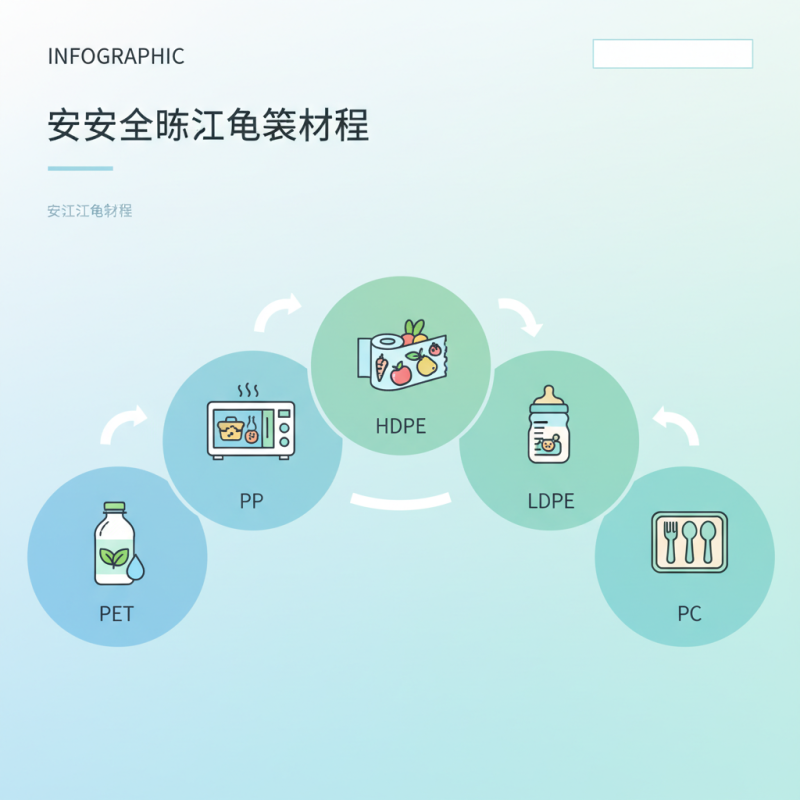
Top 5 Safe Plastics for Packaging: An Overview of Common Types
Packaging plays a crucial role in maintaining product safety and integrity. Several types of plastics are deemed safe for packaging purposes.
Polyethylene Terephthalate (PET) is widely used for food and beverage containers. According to the National Recycling Coalition, over 90% of PET containers are recyclable. This contributes to reducing plastic waste significantly.
High-Density Polyethylene (HDPE) is another prevalent option. It's sturdy and resistant to impacts, making it suitable for milk jugs and detergent bottles.
The Environmental Protection Agency reports that HDPE accounts for about 29% of total plastic recycling in the United States. This statistic highlights its importance in sustainable packaging practices.
Polypropylene (PP) is known for its high melting point, making it suitable for hot-fill applications. It’s often utilized for yogurt containers and straws.
Despite its benefits, challenges exist in recycling PP, as only around 1% of it is recycled in the U.S. Efforts are ongoing to improve recycling technologies.
These developments aim to make various plastics, especially PP, more sustainable and eco-friendly.
Understanding the Chemical Composition of Safe Packaging Plastics
When considering safe plastics for packaging, understanding their chemical composition is crucial. Common plastics include
polyethylene (PE),
polypropylene (PP),
polystyrene (PS),
polyvinyl chloride (PVC), and
polyethylene terephthalate (PET). Each of these materials has distinct properties that affect their safety for food contact and environmental impact.
Tips: Always check for recycling codes. These codes help identify the type of plastic and its safety level. Not all plastics are created equal. Some may leach harmful chemicals into food, especially when heated.
Polyethylene is widely regarded as one of the safest options. It is non-toxic and is used for food packaging. On the other hand,
polystyrene can release harmful substances, especially when heated. Thus, its use in microwavable containers may raise concerns.
Tips: Use alternatives to polystyrene where possible. Look for biodegradable options. Understanding the differences helps consumers make informed choices. Remember that while many plastics are reusable, they still contribute to environmental challenges.
Comparative Analysis of BPA-Free vs. Traditional Plastics
When comparing BPA-free plastics with traditional types, safety is a major concern. BPA, or Bisphenol A, is a chemical found in many plastics. It has been linked to various health issues, including hormonal disruptions. This has pushed many industries to adopt BPA-free alternatives. However, not all BPA-free options are created equal. Some might still harbored risks, reflecting a gap in consumer trust and material safety.
BPA-free plastics include several types, like polyethylene and polypropylene. These materials do not contain harmful bisphenols, making them a popular choice for packaging. Yet, studies indicate that even these alternatives can leach other harmful substances over time. This raises questions about the long-term safety of BPA-free options versus traditional plastics. Consumers deserve transparency and clarity in understanding the nuances of these materials.
Not all manufacturers provide clear information on their product components. This can lead to confusion among consumers. The push for BPA-free materials does not always guarantee complete safety. Understanding the properties of various plastics is essential for making informed choices. Meanwhile, ongoing research continues to reveal the complexities surrounding these materials. Buyers must remain vigilant and informed in this evolving landscape.
Top 5 Safe Plastics for Packaging
| Plastic Type |
BPA-Free |
Common Uses |
Recyclability |
Safety Rating |
| Polyethylene Terephthalate (PET) |
Yes |
Beverage bottles, food containers |
1 |
Safe |
| High-Density Polyethylene (HDPE) |
Yes |
Milk jugs, detergent bottles |
2 |
Safe |
| Polypropylene (PP) |
Yes |
Straws, yogurt containers |
5 |
Safe |
| Polylactic Acid (PLA) |
Yes |
Biodegradable packaging, utensils |
7 |
Safe |
| Polycarbonate |
No (Traditional) |
Water bottles, safety glasses |
7 |
Caution |
Environmental Impact of Using Safe Plastics in Packaging Industry
The packaging industry significantly impacts the environment. Safe plastics can offer solutions, but the effects still require scrutiny. Traditional plastics often take centuries to decompose. Their accumulation leads to pollution in oceans and landfills. In contrast, using safe plastics can minimize these issues.
When looking at safe plastics, a few materials stand out. For instance, polyethylene terephthalate (PET) is highly recyclable, reducing waste. However, recycling rates remain low in many regions. Bioplastics, derived from renewable resources, present a promising alternative. Yet, they can still compete with food supplies and may not break down effectively in landfills.
There’s a growing awareness about packaging materials. Companies are investing in safer options. But the transition is not without challenges. Many consumers are not fully informed about what constitutes safe plastics. Education is key to ensuring these materials are used effectively. The environment benefits from informed choices, but more efforts are needed to address existing gaps.
Regulatory Standards for Safe Plastics in Food Packaging Applications
When discussing safety in food packaging, regulatory standards play a critical role. These standards dictate which materials can be used without posing risks to consumers. The focus is primarily on preventing contamination and ensuring the safety of food products.
For instance, the FDA establishes guidelines for plastics that come into contact with food. Certain materials, like polyethylene and polypropylene, have received favorable evaluations. These plastics are commonly used due to their durability and resistance to chemicals. However, not all alternatives meet safety criteria. Some recycled plastics, while eco-friendly, may harbor contaminants. Their use in food packaging requires careful consideration and testing.
Moreover, consumer awareness is rising. People want to know what they are eating and how it is packaged. This highlights the importance of transparency in the packaging industry. Companies must stay updated on regulations and ensure compliance. The conversation around safe plastics is ongoing, and there is still much to learn. Balancing safety, sustainability, and consumer demands is challenging but essential for public health.
Top 5 Safe Plastics for Packaging
FAQS
: Safe plastics include polyethylene terephthalate (PET), high-density polyethylene (HDPE), and polypropylene (PP). They are commonly used for food-related items.
Yes, over 90% of PET containers are recyclable, significantly reducing plastic waste in the environment.
HDPE is sturdy, impact-resistant, and accounts for about 29% of total plastic recycling in the U.S. It's used for milk jugs and detergent bottles.
Only around 1% of polypropylene is recycled in the U.S. Ongoing efforts aim to improve recycling technologies to enhance its sustainability.
Always check for recycling codes. They indicate the type and safety level of the plastic. Some may leach harmful chemicals when heated.
Not all BPA-free options guarantee safety. Some can still leach harmful substances, highlighting the need for consumer vigilance.
Polystyrene may release harmful substances, particularly when heated, making its use in microwavable containers questionable.
Use biodegradable options instead of polystyrene when possible. This can reduce environmental impact while ensuring safety.
Understanding various plastics is essential since not all components are clear from manufacturers, often creating confusion.
Continued research reveals complexities of material safety, ensuring that consumers make informed choices in a changing market.
Conclusion
The article "Top 5 Safe Plastics for Packaging" provides a comprehensive overview of the most commonly used plastics that ensure safety in food packaging. It details the specific materials used to make safe plastic packages, including polyethylene (PE), polypropylene (PP), polystyrene (PS), polyethylene terephthalate (PET), and polycarbonate (PC). Additionally, the article delves into the chemical composition of these safe packaging plastics, comparing the benefits of BPA-free alternatives against traditional plastic types.
Furthermore, the environmental impact of utilizing safe plastics in the packaging industry is explored, emphasizing the importance of adopting sustainable practices. Regulatory standards for safe plastics in food packaging applications are also discussed, underscoring the need for compliance to ensure consumer safety. This article serves as a valuable resource for understanding what materials are used to make safe plastic packages and their implications for health and the environment.

 Premir Plastic Package