How to Store Products in Plastic Packages Safely for Shipping?

Time:2026-05-09 Author:Isabella
0%

When considering how to store products in plastic packages safely, attention to detail is paramount. Proper storage techniques can prevent damage during shipping and maintain product integrity. Each step in the process requires careful thought and expertise.

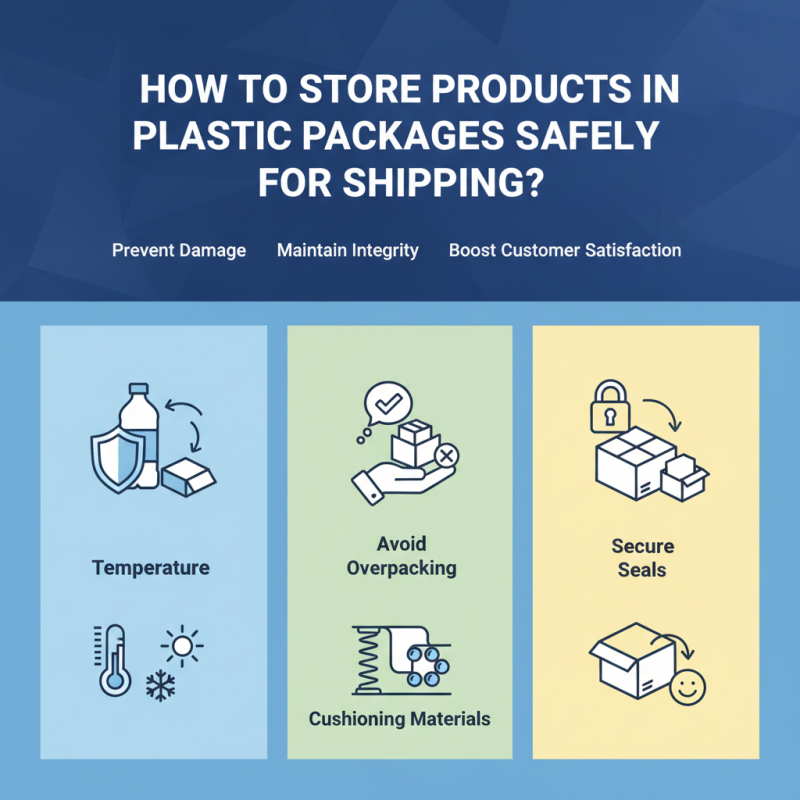
Choosing the right type of plastic packaging can significantly impact the safety of your products. Ensure the material is appropriate for the contents. Also, check for proper seals. This can reduce the risk of contamination or leakage. Additionally, think about storage conditions. Temperature fluctuations can alter packaging durability.

Packing products tightly can protect them. However, avoid overpacking, as it can lead to pressure damage. Consider using cushioning materials, such as bubble wrap or foam. These can absorb shocks and prevent movement. Reflecting on these aspects will not only enhance shipping efficiency but also boost customer satisfaction.
How to Store Products in Plastic Packages Safely for Shipping?

Understanding the Importance of Safe Product Storage for Shipping

Safe product storage is crucial for successful shipping. When products are packed improperly, they can arrive damaged. This can lead to dissatisfied customers and increased returns. Using appropriate plastic packages helps in protecting items during transit. The right packaging prevents moisture and dust from damaging the products inside.

Choosing quality plastic materials is essential. They should be durable, lightweight, and secure. Consider factors like temperature and humidity when selecting packaging. If not, issues may arise. It's also important to ensure packages are sealed tightly. Loose items can shift, causing potential damage during shipping.

While plastic packaging offers many benefits, it can have drawbacks too. Not all plastic is recyclable and eco-friendly. Finding a balance between protection and sustainability is critical. Companies must reflect on their choices. Continuous improvement in packaging methods is necessary for better outcomes.

How to Store Products in Plastic Packages Safely for Shipping? - Understanding the Importance of Safe Product Storage for Shipping

Product Type Recommended Packaging Material Storage Temperature Shelf Life Special Handling Instructions
Electronics Anti-static plastic 20°C - 25°C 2 years Avoid direct sunlight
Food Items Food-grade plastic containers 0°C - 4°C 6 months Keep refrigerate if necessary
Cosmetics PET plastic bottles 15°C - 30°C 3 years Seal tightly
Apparel Polyethylene bags 10°C - 25°C 2 years Fold neatly to avoid creases
Toys BPA-free plastic bags 15°C - 30°C 1 year Keep away from moisture

Choosing the Right Plastic Packaging Materials for Shipment

Choosing the right plastic packaging materials is essential for safe shipping. Several factors influence this choice. First, consider the type of product you are shipping. Fragile items need sturdier materials to withstand impact. Products that require airtight conditions need sealable bags or containers.

Polyethylene and polypropylene are two common materials. Polyethylene is versatile and offers good moisture resistance. It's suitable for a variety of products. However, it can be less durable compared to other options. On the other hand, polypropylene is stronger and more rigid. It provides excellent protection but can be less flexible. Choosing between them may require some trial and error.

It's also crucial to think about environmental impact. With growing awareness, many customers expect eco-friendly options. Biodegradable plastics are becoming more available. Despite this, the durability and cost can be concerns. Balancing safety and sustainability is not always straightforward. Testing different materials before making a bulk purchase can yield better results. Remember, the aim is not just to protect the product but also to meet customer expectations.

Proper Techniques for Packaging Products in Plastic

When packaging products in plastic for shipping, it’s vital to use appropriate techniques. The choice of plastic material matters. Use sturdy plastics that are resistant to tears. Thin plastic can rupture easily during transit. Ensure that the plastic is free from sharp edges. This will help prevent punctures and keep products secure.

Proper sealing is equally important. Use heat sealers or tape to securely close packages. Leave minimal air inside to avoid movement during shipping. Consider adding cushioning materials, like bubble wrap. This provides protection against impacts. Be mindful that not all products can fit the same packaging.

It's also crucial to label packages accurately. Mislabeling can lead to delays. Check that addresses and contents are correct. However, rushing this step can lead to mistakes. Reflect on the packing process regularly. Evaluate what works and what needs improvement. This proactive approach ensures safer shipping experiences.

Strategies for Protecting Products from Damage During Transit

When shipping products in plastic packages, protecting them from damage is crucial. A study by the Institute of Packaging Professionals indicates that approximately 30% of items sustain damage during transit. This statistic emphasizes the importance of strategic packaging and handling.

One effective strategy involves using cushioning materials. Bubble wrap or foam inserts can absorb shocks and provide a barrier against potential impacts. Research shows that packages with adequate cushioning experience 50% fewer damages than those without. Additionally, proper sealing is vital. Weak seals can lead to leaks or spills, especially for liquids. Another recommendation is to use correctly sized packages. A snug fit not only minimizes movement but reduces the risk of products colliding with each other.

It's also essential to consider temperature fluctuations. Extreme temperatures can compromise integrity, especially for sensitive items. Using thermal insulation can help maintain a stable environment. Surveys indicate that 20% of customers receive damaged products due to poor temperature control during shipping. Reflection on these aspects can lead to better outcomes. While techniques and measures exist, consistent evaluation and improvement of packaging methods are fundamental for long-term success.

Best Practices for Labeling and Sealing Plastic Packages

Labeling and sealing plastic packages is crucial for safe shipping. An industry survey indicates that 70% of shipping failures stem from poor labeling. Clear labels minimize delivery errors and wasted resources. Use bold fonts and clear language. Include essential details, like the recipient's address, tracking numbers, and handling instructions. A well-prepared label can save time and money.

Sealing packages properly also matters. According to the Packaging Industry Association, 30% of damage during shipping results from inadequate sealing. Utilize high-quality tape and double-seal vulnerable areas. The use of tamper-evident seals can enhance security. Remember, a properly sealed package is less likely to be opened or damaged in transit.

Mistakes in labeling or sealing can lead to significant losses. A case study revealed that companies facing labeling errors incurred costs averaging $40,000 annually. Regular training for staff on the best practices of labeling and sealing is essential. It can prevent mishaps that affect your reputation. The details matter. Attention to these practices can enhance shipping efficiency and customer satisfaction significantly.

Protection Levels of Different Packaging Materials for Shipping

This chart illustrates the protection levels of various packaging materials used for securing products during shipping. The ratings range from 1 to 10, where a higher number indicates better protection. This can help determine the best materials to use for safe shipping.

FAQS

: Why is safe product storage important for shipping?

: Safe product storage prevents damage during transit. Proper storage leads to satisfied customers and reduces returns.

What materials should be used for packaging?

Use durable, lightweight plastics to protect items. Choosing the right materials is essential for quality shipping.

How can moisture and dust affect products?

Moisture and dust can damage items inside packages. Proper sealing and quality materials help prevent these issues.

What happens if packages are not sealed tightly?

Loose packages can shift during shipping. This may lead to potential damage and dissatisfaction from customers.

Are there drawbacks to using plastic packaging?

Yes, not all plastic is recyclable. Companies must balance protection with eco-friendly choices for better sustainability.

How can I ensure proper sealing of packages?

Use heat sealers or tape to secure packages. Keep air inside minimal to avoid movement, which may cause damage.

What should I consider when labeling packages?

Labels must be accurate to prevent delays. Rushing this step may lead to mistakes that complicate shipping.

How can I improve my packaging process?

Regularly evaluate your packing methods. Reflect on what works and what areas need improvement for safer shipping.

Why is packaging material choice vital?

The right packaging prevents tears and ruptures. Thin plastic can easily fail during transit, risking product safety.

Can all products fit in the same packaging?

No, different products require different packaging. Tailoring packaging to fit items provides better protection during shipping.

Conclusion

When considering how to store products in plastic packages safely for shipping, it is essential to understand the importance of secure product storage to prevent damage during transit. Choosing the right plastic packaging materials is crucial, as different products require different levels of protection. Techniques such as proper sealing and cushioning can further safeguard items against potential impacts and environmental factors.

Additionally, implementing strategies like using air-filled fillers or protective wraps can significantly reduce the risk of product damage. Finally, adhering to best practices for labeling and sealing plastic packages ensures that shipments are not only secure but also easily identifiable. By following these guidelines, businesses can enhance their shipping processes and ensure that products arrive safely and intact.

Isabella

Isabella

Isabella is a dedicated marketing professional with a sharp focus on driving brand growth and engagement through strategic content creation. With an extensive background in digital marketing, she combines her passion for storytelling with her keen understanding of industry trends to deliver......