How to Store Products in Plastic Packages Safely and Effectively?

Time:2026-08-15 Author:Aria
0%

In the world of packaging, understanding "How to store products in plastic packages safely" is crucial. Experts emphasize the importance of proper storage techniques to maintain product integrity. Dr. Emily Carter, a leading food safety expert, states, “Proper storage conditions can make a significant difference in preserving product quality and safety.”

When using plastic packages, temperature and humidity play vital roles. For example, keeping products in cool, dry places helps prevent mold and spoilage. However, not every plastic is created equal. Some materials may leach harmful chemicals over time if exposed to heat. Therefore, selecting the right type of plastic is essential for safe storage.

Even with these precautions, users often overlook simple errors. For instance, failing to seal packages tightly can lead to contamination. Regularly checking for signs of wear and tear in packaging is also necessary. Taking these small steps can help maintain safety and prolong the life of products stored in plastic packages.
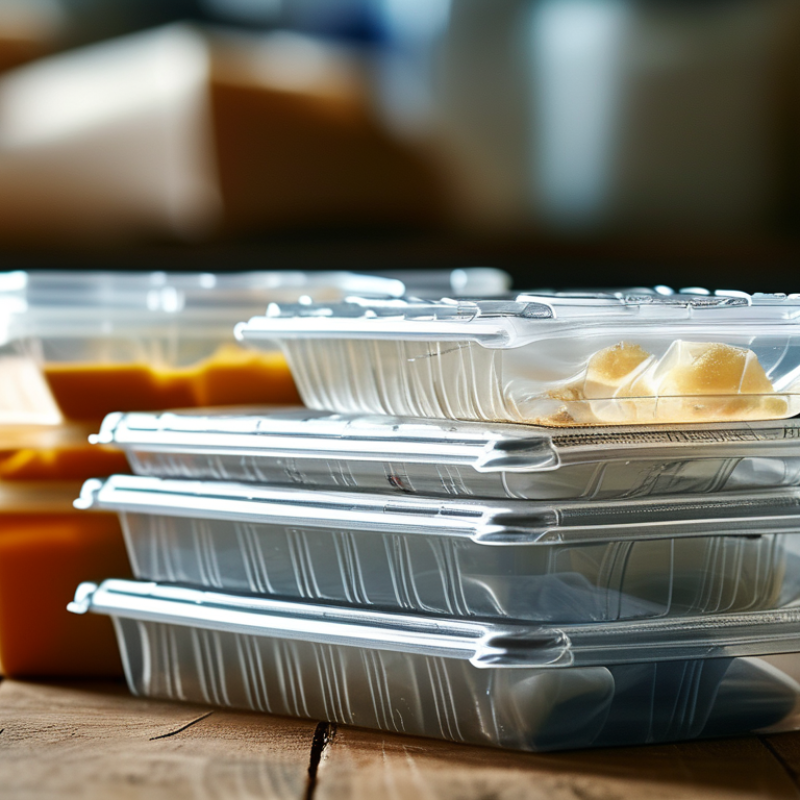
How to Store Products in Plastic Packages Safely and Effectively?

Best Practices for Selecting the Right Plastic Packaging for Products

Selecting the right plastic packaging for products requires careful consideration. Different materials serve unique purposes. For instance, polyethylenes are flexible and resistant to impact. They are great for food items. Polypropylenes offer better temperature resistance, making them suitable for medical supplies. Each choice should align with your product's specific needs.

Understanding the product's environment is critical. Products exposed to moisture need water-resistant packaging. Meanwhile, items sensitive to light require opaque materials. Consider the product's weight and fragility as well. Light items may require less robust packaging, while heavy items need sturdy support. Testing different options can help identify effective solutions.

Despite the plethora of materials available, imperfections may arise. Containers may not seal properly or may not withstand certain stress levels. Regular evaluations can highlight areas for improvement. It's important to reflect on what packaging works best and why. Fine-tuning the packaging process can lead to better results in efficiency and safety.

Product Packaging Material Preferences

Understanding the Impact of Temperature Control on Product Shelf Life

Temperature control is critical for maintaining the shelf life of products stored in plastic packages. Research indicates that improper temperature management can decrease product quality significantly. For instance, fruits and vegetables stored at temperatures above 75°F can lose vital nutrients and freshness within days. In contrast, controlling temperatures between 32°F and 40°F can extend their shelf life by threefold.

Understanding the thermal properties of plastic is also essential. Many plastics can warp or degrade when exposed to extreme heat or cold, affecting both the product and its packaging. A report from the Food and Drug Administration notes that about 30% of packaged goods spoil due to inadequate temperature regulation during storage. Ideally, using insulated containers can help mitigate these risks, yet this method requires careful handling.

Many in the industry overlook these details. It's easy to assume that all plastic packages provide sufficient protection. However, not every package is fit for every product. For instance, meat specifically requires colder temperatures than dry goods. It's crucial to evaluate and regularly assess temperature conditions to avoid potential losses in product quality and consumer trust.

Proper Labeling and Information for Safe Plastic Package Storage

Proper labeling is crucial for safe plastic package storage. Clear and concise information assists in identifying product contents and usage. Labels should include expiration dates, storage conditions, and handling instructions. This ensures users understand how to best manage the products stored within the plastic packages.

When creating labels, consider font size and color for visibility. Using large, legible fonts can minimize confusion. Additionally, integrating symbols can convey important information quickly. For example, a simple thermometer symbol might indicate required temperature ranges. Labels are often overlooked, yet they can significantly impact safety and effectiveness in storage.

Regularly reviewing stored products helps maintain safety. Outdated or damaged items should be discarded promptly. It's essential to ensure that labeling remains intact and readable over time. Failure to do this may lead to potential risks. Remember, even minor oversights in labeling can result in misunderstandings. Therefore, make labeling a priority for effective storage management.

Regulations and Standards for Storing Products in Plastic Containers

When storing products in plastic containers, adhering to regulations and standards is crucial. Various industries have specific guidelines to ensure safety and quality. For instance, food storage must follow FDA requirements. This ensures that containers do not leach harmful chemicals into food.

Understanding the material properties of plastic is vital. Not all plastics are created equal. Some can withstand high temperatures, while others may not. Misusing plastics can lead to dangerous situations, such as chemical contamination or structural failure. Regularly checking for cracks or wear in containers is a good practice.

Keeping storage areas clean and organized can help maintain compliance with safety standards. It’s easy to overlook this aspect when busy. Inadequate labeling can create confusion and result in improper usage. Take time to evaluate storage practices regularly. Reflect on whether current methods meet all safety regulations.

How to Store Products in Plastic Packages Safely and Effectively? - Regulations and Standards for Storing Products in Plastic Containers

Product Type Plastic Type Storage Temperature (°C) Humidity Level (%) Shelf Life (Months)
Food Products HDPE 0 to 4 50 - 70 12 - 24
Cosmetics PET 15 to 25 40 - 60 6 - 12
Pharmaceuticals PVC 20 to 25 30 - 40 24 - 36
Industrial Chemicals PP 5 to 30 20 - 50 36 - 60

Environmental Considerations in Plastic Packaging Storage Solutions

Plastic packaging plays a critical role in storage solutions. However, it poses environmental challenges. Reports indicate that over 300 million tons of plastic are produced annually, with a significant percentage ending up in landfills. Effective storage must address these concerns. Using biodegradable or recycled materials can mitigate the environmental impact of plastic packaging.

Moreover, proper storage practices can enhance efficiency. According to a study by the Ellen MacArthur Foundation, only 14% of plastic packaging is collected for recycling. This suggests a gap in proper disposal and storage methods. Implementing designated recycling stations can improve collection rates. Furthermore, educating staff about separation techniques can lead to better waste management.

Despite advancements, gaps remain in our approach. Many still neglect the importance of recycling education within facilities. Moreover, plastic packages must be stored away from UV light to prevent degradation. Awareness and action are key. Integrating sustainable practices into everyday storage can make a real difference.

FAQS

: What are the critical factors when selecting plastic packaging for products?

: Consider the specific needs of your product, including material type and its environment.

Why is temperature control vital for products in plastic packaging?

Improper temperature management can significantly decrease product quality and shelf life.

How should sensitive products be packaged?

Use opaque materials for light-sensitive items and water-resistant packaging for moisture-exposed products.

What common issues can arise with plastic packaging?

Containers may fail to seal properly or not withstand certain stress, leading to potential losses.

What temperature range is ideal for storing fruits and vegetables?

Keeping them between 32°F and 40°F can significantly extend their shelf life.

Why is regular evaluation of packaging practices necessary?

Regular checks can highlight areas for improvement and ensure better efficiency and safety.

What is a common misconception about plastic packaging?

It's incorrect to assume all plastic packages provide the same level of protection for every product.

How can contamination occur with plastic containers?

Using unsuitable plastics can lead to harmful chemicals leaching into contents.

What should you assess regularly in your storage methods?

Evaluate the cleanliness, organization, and labeling of storage areas to ensure compliance with safety standards.

How does the weight of a product influence packaging choice?

Lighter items may need less robust packaging, while heavier products require stronger support to avoid damage.

Conclusion

In the article "How to Store Products in Plastic Packages Safely and Effectively," key best practices are highlighted for selecting the appropriate plastic packaging to ensure product safety and longevity. Understanding the impact of temperature control is crucial, as it directly affects the shelf life of items stored in plastic packages. Moreover, proper labeling and the inclusion of necessary information are essential for maintaining safety standards during storage.

The article also emphasizes the importance of adhering to regulations and standards governing the storage of products in plastic containers. Consideration of environmental factors is another vital aspect, guiding the choice of sustainable packaging solutions. By following these guidelines, individuals and businesses can effectively learn how to store products in plastic packages safely, promoting both safety and environmental responsibility.

Aria

Aria

Aria is a dedicated marketing professional with a deep passion for innovative strategies and a keen understanding of our company's product offerings. With a wealth of experience in the industry, Aria excels at crafting engaging content that highlights the unique features and benefits of our......