How to tell if a plastic package is recyclable tips?

Time:2026-06-19 Author:Isabella
0%

Understanding "How to tell if a plastic package is recyclable" is crucial for sustainable living. According to the EPA, only 9% of plastic waste is recycled in the United States. This stark statistic highlights the need for better awareness of recyclable materials. Many consumers often find themselves confused about the recyclability of plastic packaging.

Many packages carry recycling symbols, but the presence of a number or a symbol does not guarantee recyclability. For instance, certain types of plastics, like polystyrene (commonly used in disposable containers), are not accepted in most recycling programs. A study by McKinsey & Company revealed that only 30% of consumers understand recycling symbols, indicating a widespread knowledge gap. Understanding these details is vital as improper disposal can lead to environmental harm.

The impact of plastic waste is severe, and efforts to improve recycling can significantly lessen it. People are encouraged to learn how to assess their packaging. Reflecting on one's habits can lead to a more profound change. It’s time to take responsibility and become informed about what can be recycled.
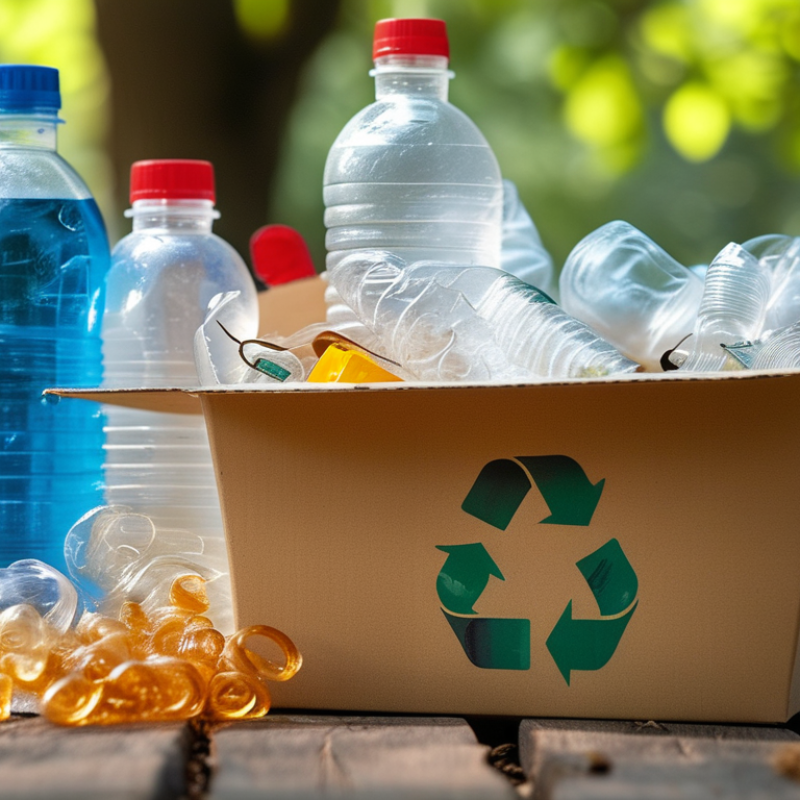
How to tell if a plastic package is recyclable tips?

Understanding Plastic Recycling Codes and Symbols

Understanding plastic recycling can be daunting. However, the recycling codes and symbols can help clarify which plastics are recyclable. These codes, typically a number inside a triangle, provide insight into a plastic's resin type. For example, PETE (recycling code 1) is widely recycled and often found in bottles and containers. According to the Environmental Protection Agency, about 27% of PETE was recycled in 2018.

Another common material is HDPE (recycling code 2). It is used for products like milk jugs and detergent bottles. Around 30% of HDPE is recycled. However, not all plastics labeled with these codes are accepted by local programs. This inconsistency leads to confusion and can result in contamination of recycling streams, hindering the recycling process.

Conversely, some plastics are not commonly recycled, such as polystyrene (recycling code 6). Awareness of symbols and local guidelines is crucial. Many municipalities face challenges in recycling certain plastics, often ending up in landfills. Consumers must stay informed about what their local programs accept. Understanding these details can lead to more responsible recycling choices.

Identifying Common Types of Recyclable Plastics

Identifying recyclable plastics can be tricky. A recent report from the National Recycling Coalition states that only 9% of the plastic ever produced has been recycled. This highlights the need for better awareness of recyclable materials.

Commonly found recyclables include PETE (polyethylene terephthalate) and HDPE (high-density polyethylene). PETE items often bear the recycling symbol with a number 1, found on water bottles and packaging. HDPE, marked with a number 2, is commonly seen in milk jugs and detergent bottles. The Society of Plastics Industry notes that these types are widely accepted in curbside recycling programs.

However, many residents still toss items like #3 PVC and #6 polystyrene into regular trash bins, unaware of their lower recycling rates. This misunderstanding results in significant waste. The American Chemistry Council indicates that proper education could double plastic recycling rates in many communities. The challenge remains: are we doing enough to identify and recycle?

How to tell if a plastic package is recyclable tips? - Identifying Common Types of Recyclable Plastics

Plastic Type Resin Identification Code Common Uses Recyclability
Polyethylene Terephthalate (PET) 1 Beverage bottles, food containers Widely recycled
High-Density Polyethylene (HDPE) 2 Milk jugs, detergent bottles Widely recycled
Polyvinyl Chloride (PVC) 3 Pipes, siding Not widely recycled
Low-Density Polyethylene (LDPE) 4 Grocery bags, bread bags Not widely recycled
Polypropylene (PP) 5 Yogurt containers, straws Recycling options available
Polystyrene (PS) 6 Foam cups, take-out containers Generally not recycled
Other (Various plastics) 7 Multi-layer containers, some types of polycarbonate Check locally

Tips for Checking Local Recycling Guidelines

When it comes to recycling, local guidelines vary widely. It can be confusing for consumers trying to determine what is recyclable. According to the Environmental Protection Agency (EPA), about 75% of waste is recyclable, yet only 34% of it gets recycled. Each community has specific requirements. It's vital to check your local recycling program’s details.

Start by looking for the recycling symbol on the package. However, just because it has the symbol does not mean it is accepted in your area. Some materials, like certain plastics, may be excluded. A 2022 study found that nearly 40% of plastics end up in landfills. This indicates that many consumers assume something can be recycled when it cannot. Always refer to your local facilities to understand their criteria.

You may need to call or visit your local waste management website. They often provide a list of accepted materials. Online resources can change, so continuous checking is essential. Remember, recycling guidelines are not uniform, and understanding them takes effort. Some programs may only accept clean, dry materials, and your choices matter significantly. Your small corrections can lead to impactful changes in your community's recycling efficiency.

Inspecting Labels and Packaging Materials for Recyclability

When assessing whether a plastic package is recyclable, start by looking for labels. Many packages feature recycling symbols, indicating their potential for recycling. Common symbols include the triangle with a number inside. Each number represents a different type of plastic, ranging from PETE to PVC. Familiarizing yourself with these can make a significant difference.

Next, examine the packaging material itself. Some plastics are inherently easier to recycle than others. For example, clean and rigid plastic containers are usually accepted by recycling programs. However, items like plastic bags or wraps often complicate the recycling process. They tend to get tangled in machinery, leading to inefficiencies.

It's easy to assume that all items with a recycling symbol are acceptable. That isn't always true. Regional recycling rules vary, and some symbols may not be recognized in your area. Research your local guidelines for the most accurate insights. Recognizing this variability can be an important part of engaging in responsible recycling efforts.

Best Practices for Preparing Plastic Packages for Recycling

Plastic recycling is essential for environmental sustainability. Yet, many people struggle to prepare their plastic packages correctly. According to the EPA, only 9% of plastic waste is recycled in the U.S. Preparedness can significantly impact this statistic.

To begin, rinsing plastic packages is crucial. It removes residue that often contaminates recycling streams. A study by the National Recycling Coalition shows that contamination can reduce recycling rates by up to 25%. After rinsing, check the recycling symbol usually located at the bottom. Symbols #1 (PET) and #2 (HDPE) are the most widely accepted. Other types may vary based on local guidelines.

Another critical practice is sorting. Each recycling facility has specific requirements. Mixing different types of plastics can lead to recycling failure. The Recycling Partnership emphasizes that proper sorting increases the quality of recyclables, leading to higher recycling rates. Packing those plastics in a designated bag can make your efforts more effective. Yet, many still throw items into general waste, prompting the need for better education on recycling practices.

Recyclability of Plastic Packages by Type

This chart shows the percentage of different types of plastic packages that can be recycled, highlighting the best practices for preparing them for recycling.

FAQS

: What types of plastics are commonly recyclable?

: Commonly recyclable plastics include PETE (number 1) and HDPE (number 2). They are frequently found in bottles and containers.

Why is it difficult to identify recyclable plastics?

Identifying recyclable plastics can be tricky. Many people are unaware of what can and cannot be recycled.

What happens to plastics that aren't properly recycled?

Many residents throw away plastics like PVC and polystyrene, contributing to significant waste. Awareness is needed.

How can I check if my plastic packaging is recyclable?

Look for recycling symbols on packaging. Each symbol has a number representing the type of plastic.

Are all items with recycling symbols recyclable?

Not necessarily. Some symbols may not be accepted in your area. Check local recycling rules for accuracy.

Why are plastic bags problematic for recycling?

Plastic bags often tangle in recycling machines. This leads to inefficiencies and hinders the recycling process.

Can recycling rates improve with better education?

Yes, proper education about recyclable materials could double recycling rates in many communities. Understanding is key.

What types of plastic are often discarded incorrectly?

Items made from #3 PVC and #6 polystyrene are frequently thrown away, affecting recycling efforts.

How do I recognize recyclable packaging?

Familiarize yourself with common recycling symbols and assess the packaging material for recyclability.

What is a common misconception about recycling?

Many people think all recycling symbols indicate recyclability. Variability exists based on local regulations.

Conclusion

When considering "How to tell if a plastic package is recyclable," it's essential to understand the various plastic recycling codes and symbols. These codes indicate the type of plastic used and can help you identify which materials are accepted by recycling programs. Common recyclable plastics include PETE, HDPE, and LDPE, but not all localities accept every type.

To determine recyclability, checking local recycling guidelines is crucial, as rules and accepted materials can vary significantly by area. Additionally, inspect labels and packaging materials for recyclability indicators. Finally, best practices for preparing plastic packages for recycling involve cleaning and sorting items properly to ensure they can be processed effectively. By following these steps, you can confidently assess the recyclability of plastic packaging and contribute to environmental sustainability.

Isabella

Isabella

Isabella is a dedicated marketing professional with a sharp focus on driving brand growth and engagement through strategic content creation. With an extensive background in digital marketing, she combines her passion for storytelling with her keen understanding of industry trends to deliver......