10 Tips to Choose the Right Plastic Packaging for Your Products?

Time:2026-03-20 Author:Liam
0%

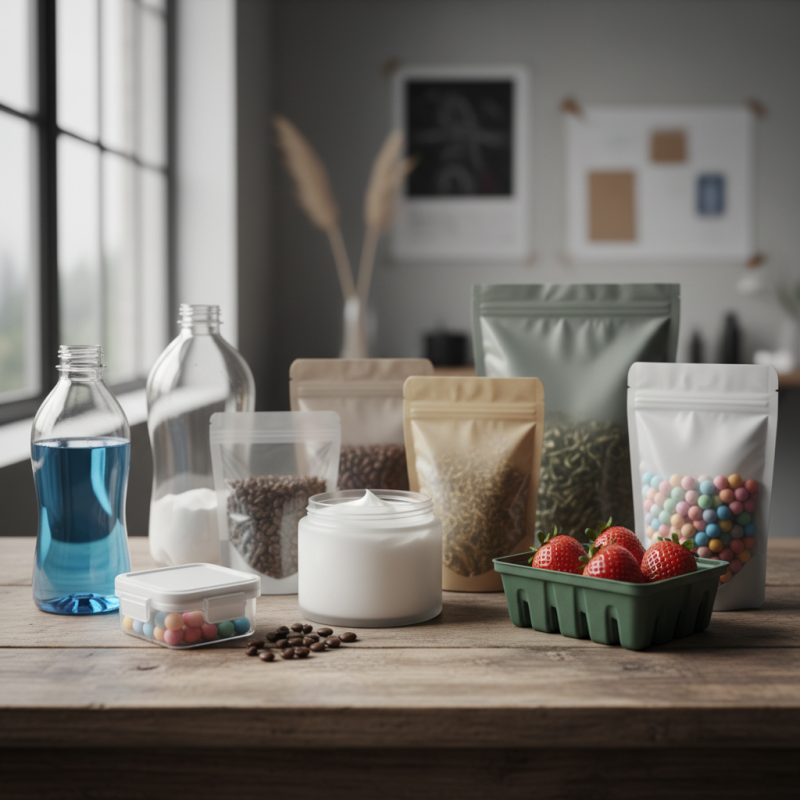
Choosing the right packaging is crucial for any product's success. Research indicates that 72% of consumers judge products by their packaging. This makes selecting the right plastic packaging vital. In an industry that is constantly evolving, it's essential to know what options are available. According to Sarah Thompson, a packaging expert at Global Packaging Solutions, "The right plastic package can boost your brand’s appeal and protect the product."

When considering how to choose the right plastic package for products, factors like material type, durability, and environmental impact need attention. The market shows that sustainable packaging can increase sales by 30%. A thorough understanding of the target audience is necessary. What appeals to them? This affects the packaging choices you make. Reflect on your product’s requirements and your brand image.

Delving into material options can be overwhelming. Each type of plastic has its strengths and weaknesses. It may take time to identify the proper fit for your products. Remember, packaging not only serves a functional purpose but also conveys a message. The decision-making process may feel daunting, but investing in the right solution can lead to significant benefits. It's about finding a balance between aesthetics and practicality.
10 Tips to Choose the Right Plastic Packaging for Your Products?

Understanding the Importance of Plastic Packaging in Product Safety

Plastic packaging plays a crucial role in ensuring product safety. According to a report by the Flexible Packaging Association, 62% of consumers believe that plastic packaging keeps products fresher and free from contamination. This perception is particularly important in industries like food and pharmaceuticals, where safety is paramount. Quality plastic packaging helps to create a barrier against moisture and air, extending shelf life and reducing waste.

However, the reliance on plastic has its drawbacks. While it protects goods, improper disposal leads to environmental issues. The United Nations estimates that approximately 13 million tons of plastic end up in oceans each year. Consumers are increasingly aware of this problem. Many seek companies that prioritize sustainable practices. Finding a balance between product safety and environmental impact is essential and requires ongoing reflection.

To make informed choices, manufacturers should focus on material selection and packaging design. Using recycled materials can reduce the carbon footprint while maintaining safety standards. A 2022 study by the World Economic Forum indicates that adopting sustainable packaging can increase brand loyalty by 30%. Integrating safety with sustainability is no easy task, but it is a vital challenge for the industry.

10 Tips to Choose the Right Plastic Packaging for Your Products

This bar chart illustrates the importance of various factors when choosing plastic packaging for product safety. The data represents the percentage of businesses prioritizing each factor based on a survey.

Analyzing Different Types of Plastic Materials and Their Properties

Choosing the right plastic packaging can be tricky. Each type of plastic has unique properties that affect your product. For instance, polyethylene is lightweight and flexible, while polypropylene offers a higher melting point. Polyethylene terephthalate (PET) is commonly used for beverages. Consider each option carefully.

Tip 1: Think about your product's needs. Does it require durability, or is a lighter option acceptable? Always evaluate how the packaging interacts with your product. For food items, ensure that the chosen plastic is safe and suitable.

Some plastics can be more challenging to recycle. This can impact your company's sustainability goals. Not all consumers prefer products in non-recyclable packaging. Assessing the market's preferences is crucial.

Tip 2: Be aware of costs involved. Some materials may be cheaper initially, but they can lead to increased expenses later. Think about waste and damage rates. A little foresight in packaging can lead to better long-term savings. Exploring alternatives might reveal better options.

Adjusting your packaging strategy based on product type is essential. Sometimes, a more expensive material may be necessary for protection. Don't settle for the easiest choice. Explore different plastics thoroughly. Your decision can significantly impact both performance and consumer satisfaction.

Evaluating Environmental Impact: Biodegradable vs. Traditional Plastics

Choosing between biodegradable and traditional plastics can be challenging. Biodegradable plastics break down faster in natural conditions. They offer an appealing solution to waste management. However, their production often requires resources like corn or sugarcane. This raises questions about land use and food supply.

Traditional plastics are durable and versatile but take hundreds of years to decompose. Many end up in landfills or oceans. This creates significant environmental challenges. Recycling rates for traditional plastics vary widely, leading to more waste. It’s essential to consider these factors in your packaging choices.

Many consumers prefer green alternatives yet are often unaware of their implications. The environmental impact of both options can be complicated. Finding a balance between function and sustainability is key. Reflecting on these choices can help guide better packaging decisions.

Cost Considerations: Balancing Budget with Packaging Effectiveness

Choosing the right plastic packaging requires careful budgeting. Consider material costs, production expenses, and shipping fees. Finding the balance can be tricky. High-quality packaging may enhance product appeal but can strain your budget. On the flip side, cheap options might save money upfront but lead to issues later.

Think about the long-term effects. Will the packaging protect the product during shipping? Does it attract customers? Aesthetic appeal often drives sales. However, businesses sometimes overlook this. They prioritize savings over effective packaging. This can result in damage during transport. Analyze how much a damaged product costs versus higher-quality packaging options.

Evaluate potential waste, too. Excessive packaging can hurt the environment and your image. Customers notice when brands disregard sustainability. Sometimes, it feels like there’s no perfect answer. Balancing costs with effectiveness is an ongoing challenge. Being thoughtful about these aspects will shape your brand's identity in the market.

10 Tips to Choose the Right Plastic Packaging for Your Products

Tip Considerations Cost Implications Effectiveness
1. Assess Product Requirements Weight, fragility, and shelf-life Higher performance materials may increase costs Ensures product safety and longevity
2. Choose the Right Type of Plastic Recyclability and suitability Cost varies by type (e.g., PET vs. PVC) Can enhance brand image through sustainability
3. Evaluate Size and Shape Storage and transportation efficiencies Customized shapes may incur higher production costs Optimizes space for shipping and display
4. Think About Branding Design and color options Higher design complexity may raise costs Enhanced consumer appeal through visual impact
5. Consider Functionality Ease of use for consumers Functional designs may involve additional costs Increases satisfaction and repeat purchases
6. Research Regulatory Standards Compliance with safety and environmental regulations Non-compliance can lead to fines and redesign costs Avoids legal issues and enhances reputation
7. Think About Sustainability Use of biodegradable or recyclable plastics Sustainable options may cost more initially Improves brand loyalty among eco-conscious consumers
8. Test Samples Prototype testing for durability and compatibility Cost of testing can add to budget Validates packaging effectiveness before full production
9. Assess Transportation Impact Transportation logistics and potential damage Over-designed packaging can increase shipping costs Reduces returns from damaged products
10. Review and Adapt Continuous feedback from customers Revisions can add to overall expenses Keeps packaging aligned with market demands

Regulations and Compliance: Ensuring Packaging Meets Industry Standards

When selecting plastic packaging, compliance with industry regulations is crucial. Different sectors have specific standards that must be met. Failing to comply can lead to costly fines and damage a brand's reputation. It’s vital to stay updated on regulations regarding materials, safety, and environmental impact. Many companies overlook this aspect, assuming all packaging is compliant. This assumption can lead to big issues down the line.

Understanding the regulations helps ensure that products are safe for consumers. This includes checking for harmful substances and ensuring recyclability. Sometimes, companies choose cheaper options without fully grasping the consequences. Not all plastics are created equal; some may leach chemicals or not break down properly. Regular reviews of packaging suppliers can help reposition a brand as responsible and trustworthy.

Moreover, engaging in transparent communication with suppliers about compliance can minimize risks. It’s important to ask for certifications and proof of compliance. Ensuring your packaging meets the required standards should be a priority, not an afterthought. An inherent challenge lies in balancing costs and compliance, but with careful planning, businesses can navigate this complex landscape effectively.

FAQS

: Why is plastic packaging important for product safety?

: Plastic packaging protects products from contamination and extends shelf life. This is essential for food and pharmaceuticals.

How does plastic packaging affect the environment?

Improper disposal of plastic leads to significant environmental issues, with millions of tons entering the oceans annually.

What do consumers think about plastic packaging?

Many consumers believe plastic keeps products fresher. They prefer companies that engage in sustainable practices.

What are the main issues with biodegradable plastics?

While they break down faster, their production can impact land use and the food supply negatively.

Why are traditional plastics problematic?

Traditional plastics take a long time to decompose and often end up in landfills, causing environmental harm.

How can manufacturers choose better packaging materials?

By focusing on recycled materials, they can reduce their carbon footprint and maintain safety standards.

What should businesses consider regarding packaging costs?

They must balance material costs and production fees with the effectiveness of packaging to avoid future issues.

Is there a perfect solution for packaging?

Finding a balance between sustainability and effectiveness can be challenging, and there may not be a perfect answer.

How does packaging aesthetics influence sales?

Attractive packaging can enhance sales, but some businesses overlook this aspect when prioritizing budget.

What role does excessive packaging play in brand perception?

Customers notice excessive packaging, which can harm a brand’s image and indicate a lack of commitment to sustainability.

Conclusion

Choosing the right plastic packaging for products is essential for ensuring safety, maintaining product integrity, and meeting customer expectations. The article outlines key considerations for how to choose the right plastic package for products, beginning with an understanding of the crucial role that plastic packaging plays in product safety. It emphasizes analyzing various types of plastic materials and their properties to identify the most suitable option for specific products.

Additionally, the article discusses the environmental impact of packaging, comparing biodegradable plastics to traditional ones, and highlights the importance of balancing cost with packaging effectiveness. Finally, it stresses the need for compliance with industry regulations to ensure that packaging meets the necessary standards. By following these tips, businesses can make informed decisions about their plastic packaging choices that benefit both their products and the environment.

Liam

Liam

Liam is a dedicated marketing professional with a profound expertise in the industry, where he excels at highlighting the unique advantages of our core products. With a keen understanding of market trends and consumer needs, Liam frequently updates our company’s professional blog, providing......