The importance of food grade plastic packages cannot be overstated. As the food industry evolves, questions arise: "Why are food grade plastic packages necessary?" Experts like Dr. Emily Carson, a leading food safety specialist, emphasize, "Quality packaging directly impacts food safety and freshness." This statement reflects the critical role these packages play in preserving our food.
Food grade plastics are designed to keep consumables safe. They prevent contamination and extend shelf life. A recent study showed that 65% of consumers are more likely to trust products in these packages. This trust stems from quality assurance and consistent safety standards, which only food grade materials can provide.
However, there is room for improvement in the industry. Some manufacturers still overlook compliance and use inferior materials. This creates risks that could affect health and safety. As consumers demand better, understanding "Why are food grade plastic packages necessary" becomes essential. We must advocate for higher standards to ensure safe and reliable food packaging.
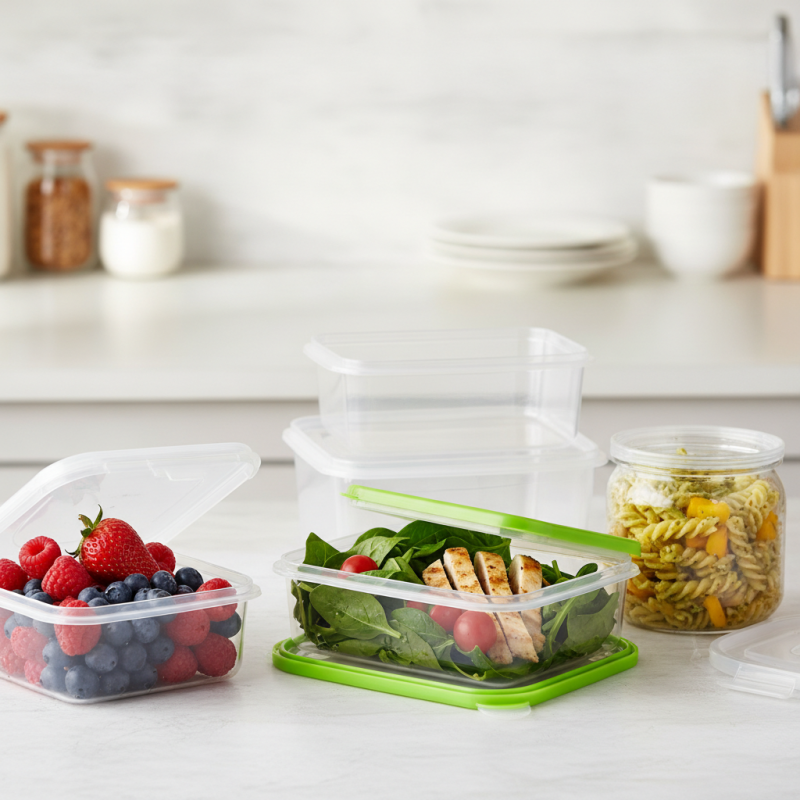
Importance of Food Safety in Packaging Choices
When selecting packaging for food, safety should be the foremost priority. Food-grade plastics are designed to prevent contamination. They resist chemical leaching, ensuring that harmful substances do not mix with the food. This safety aspect is crucial, especially for items like dairy products or fresh meats, where the risk is higher.
Tips for Choosing Safe Packaging: Always check for certifications on plastic materials. Look for markings that indicate food-grade compliance. This guarantees a higher standard of safety. Additionally, opt for transparent packaging whenever possible. This allows you to see the food and check for any anomalies, ensuring quality before purchase.
Always consider how food is stored. Even the best plastics can degrade under improper conditions. Heat and UV exposure can cause harmful substances to leach. Regularly assess packaging integrity, especially if items have been stored for long periods. Packaging should remain intact without cracks or discoloration. If there are signs of wear, rethink your storage practices.
Material Properties of Food Grade Plastics
Food grade plastics are essential in packaging due to their unique material properties. These plastics are designed to be safe for storing food. They undergo strict testing to ensure they do not leach harmful substances. Many types are available, including polyethylene and polypropylene, each offering specific benefits. These materials are lightweight yet strong, providing durability while reducing shipping costs.
Flexibility is another key property. Food grade plastics can be molded into various shapes and sizes. This adaptability makes them suitable for a wide range of products, from beverages to snacks. Additionally, many food grade plastics have excellent barrier properties. They protect food from moisture and oxygen, extending shelf life. However, they are not completely impermeable, and food freshness varies.
While food grade plastics are efficient, they are not without concerns. Recycling rates for these materials remain low, causing environmental issues. Some argue that reliance on plastics needs careful reflection. Exploring alternatives may lead to better solutions for sustainability. Balancing safety and environmental impact is crucial in the future of food packaging.
Top 10 Properties of Food Grade Plastics
Environmental Considerations for Food Packaging Solutions
The environmental impact of food packaging cannot be overstated. Plastic waste is a significant contributor to pollution. Many food-grade plastic packages are designed to be recyclable.
This characteristic can help reduce landfill waste and conserve resources. However, recycling rates are still alarmingly low, necessitating improvements in education and infrastructure.
Another consideration is the material's sustainability. Biodegradable alternatives are emerging, yet they often lack the durability needed for food preservation. Striking a balance between convenience and environmental responsibility is challenging.
Studies show that some food-grade plastics can leach harmful chemicals if improperly used. Understanding these nuances is vital for both consumers and manufacturers alike.
Innovation in packaging design is also a key factor. New materials are being developed to enhance safety while minimizing environmental impact. While great strides are being made, there’s still a long way to go.
Addressing these complexities requires collective effort from manufacturers, consumers, and policymakers. Awareness and responsible choices can lead to more sustainable packaging solutions.
Economic Advantages of Using Food Grade Plastic
Food-grade plastic packaging offers significant economic advantages for businesses in the food industry. This packaging is lightweight, which reduces shipping costs. Companies can save money on transportation and storage. Moreover, the durability of food-grade plastics means less product loss during transit. Food remains safe and intact, ensuring customers receive quality items.
Using food-grade plastic can enhance shelf life. This is key in reducing food waste, a growing concern worldwide. When food stays fresh longer, companies face fewer losses. They can better manage inventory and increase profitability. Additionally, the flexibility of plastic allows for innovative packaging designs. Custom shapes and sizes attract customers, making products stand out.
However, reliance on plastic poses questions. Is it truly sustainable? As consumers push for eco-friendly options, companies must reassess their packaging strategies. Balancing cost savings and environmental impact is crucial. Finding alternatives or improving recycling processes can help address these challenges. Overall, food-grade plastic packaging remains vital, yet the industry must reflect on responsible use.
Consumer Awareness and Trust in Food Packaging Practices
Consumer trust in food packaging has never been more vital. Food grade plastics are designed to ensure safety and maintain food quality. They offer barriers against contaminants, preserving the flavor and nutrients of the food. Consumers are increasingly aware of what they eat and how it is packaged. This awareness drives a demand for reliable packaging solutions.
Transparency is key in food packaging. Labels often detail materials used in packaging. However, many consumers still find it challenging to decipher these terms. Misunderstandings can lead to mistrust. Some might question if the plastic is truly safe, or if it leaches harmful chemicals. Clear labeling and education on food grade plastics can alleviate concerns.
The industry needs to engage consumers more effectively. Providing information about how plastics are made and tested is crucial. It is essential to remember that not all plastics are the same. Consumers must be aware of the differences. This knowledge empowers them to make informed choices. Better communication can strengthen trust in practices that protect health and wellbeing.
FAQS
: Food grade plastics are specially designed materials safe for storing food. They undergo strict testing to avoid harmful substance leaching.
Flexibility allows food grade plastics to be molded into various shapes. This adaptability suits many products, such as beverages and snacks.
They provide excellent barrier properties. This helps protect food from moisture and oxygen, though they are not completely impermeable.
Plastic waste significantly contributes to pollution. Low recycling rates worsen environmental issues. Exploring alternatives is vital for sustainability.
While they are emerging, biodegradable options often lack durability. Balancing convenience with environmental responsibility remains a challenge.
Transparency and clear labeling of materials are essential. Education about food grade plastics can help alleviate consumer concerns.
Many find it hard to understand packaging terms. Mistrust can arise from potential harmful chemicals in plastics if misused.
Providing clear information about plastics' production and testing processes is crucial. Improved communication can strengthen consumer trust.
Manufacturers need to innovate for safer packaging. Collective effort towards better solutions can enhance both safety and sustainability.
Innovations are underway, but there's still a long way to go. Addressing complexities requires efforts from all stakeholders involved.
Conclusion
Food grade plastic packages play a crucial role in ensuring food safety and maintaining the integrity of food products. The importance of food safety in packaging choices cannot be overstated, as improper materials can lead to contamination and health risks. Food grade plastics are designed to meet stringent safety standards, making them essential for preserving the quality and safety of food. They possess unique material properties that resist chemicals and prevent spoilage, further emphasizing why are food grade plastic packages necessary.
In addition to safety, environmental considerations and economic advantages contribute to the growing preference for food grade plastics. These materials are often more affordable and lighter than alternatives, which can reduce transportation costs. Furthermore, as consumer awareness increases, trust in safe food packaging practices becomes paramount. Overall, adopting food grade plastic packages not only supports food safety but also aligns with sustainable and economic practices in the food industry.

 Premir Plastic Package