In today's world, choosing eco-friendly plastic packages is crucial for sustainable living. Renowned sustainability expert Dr. Emily Carter emphasizes, “Every small choice can lead to significant change.” This highlights the importance of informed decisions in packaging.
When considering how to choose eco-friendly plastic packages, one must evaluate materials carefully. Bioplastics, for instance, can degrade more effectively than traditional plastics. Consumers often overlook the importance of certifications. A package labeled compostable does not guarantee it is eco-friendly.
Sustainable packaging goes beyond just materials. It's about the entire lifecycle. Think about sourcing, manufacturing, and disposal. The complexity of eco-friendly packaging often confuses consumers. We need to reflect on our choices and understand their broader impact. Sustainable living starts with informed and conscious decisions.
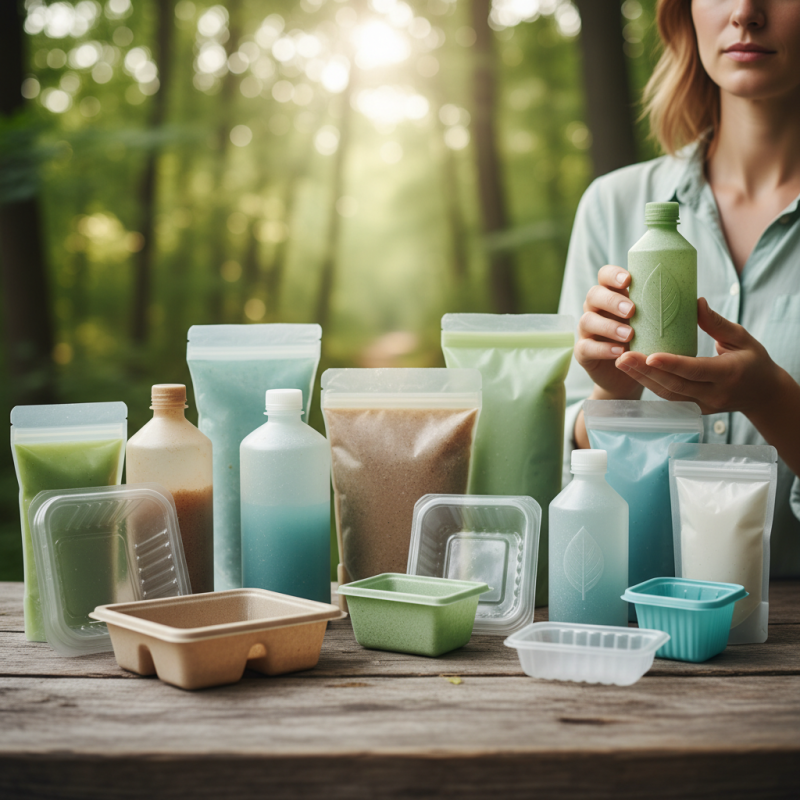
Eco-friendly plastics are crucial for reducing environmental impact. These materials are designed to minimize harm while maintaining functionality. Understanding what makes plastics sustainable is vital for brands and consumers alike. Key attributes include biodegradability, reduced carbon footprint, and the use of recycled materials.
Biodegradable plastics break down naturally, reducing landfill waste. However, their decomposition often requires specific conditions, which aren't always met. Consumers must consider how local waste management handles these materials. Another factor is the carbon footprint during production. Eco-friendly plastics often use less energy and produce fewer emissions than conventional options. Awareness of these processes helps in making better choices.
Recycled materials form another sustainable option but come with challenges. Not all recycling facilities process plastics efficiently. Furthermore, contamination often limits the recyclability of plastics. It’s vital to engage with trustworthy suppliers who prioritize transparency. While there are promising developments, the journey toward truly sustainable plastic is ongoing. Choices made today can lead to better products tomorrow.
When selecting eco-friendly packaging, it’s crucial to identify materials with credible certifications. Look for seals that indicate sustainability. These may include compostable, recyclable, or biodegradable labels. Check if the packaging meets international standards for environmental safety. This helps ensure that the materials are genuinely eco-friendly.
A key detail to consider is the source of the materials. Certifications should come from reputable organizations that have a history of assessing environmental impact. Additionally, it's beneficial to research the lifecycle of the products. This can reveal how they are processed, transported, and eventually disposed of. Pay attention to packaging that minimizes carbon footprints during production.
Sometimes, information can be misleading. Not all labeled "eco-friendly" materials are created equal. It's essential to dig deeper and ask questions. Are the materials derived from renewable resources? How is waste managed at the end of the packaging’s life? Engaging with suppliers and asking for document verification can lead you to more reliable choices. Balancing these details with your eco-friendly goals is a journey that requires ongoing reflection.
When evaluating the lifecycle impact of plastic packaging, we must consider several critical factors. According to the Ellen MacArthur Foundation, 95% of plastic packaging's value is lost to the economy after a single use. This highlights the urgent need for sustainable materials that can be reused or recycled efficiently. For instance, biodegradable plastics, while offering a seemingly green alternative, often require specific conditions to decompose properly. Under common disposal methods, they can behave like traditional plastics.
Furthermore, the carbon footprint of packaging materials varies significantly. A study by the World Wildlife Fund found that some biodegradable options can result in higher greenhouse gas emissions compared to conventional plastic. This contradiction raises questions about the true environmental benefits of alternative packaging. While the allure of eco-friendly claims is strong, it is essential to analyze the entire supply chain, from material sourcing to end-of-life disposal.
Incorporating life cycle assessments can provide insight into a product's long-term impact. Such assessments evaluate the environmental benefits and drawbacks comprehensively. Creating more awareness about these factors could lead to better consumer choices and, ultimately, a reduction in plastic waste. However, transitioning to sustainable plastics is complex, requiring ongoing research and adaptation in the industry.
When choosing eco-friendly plastic packages, the focus should be on two key aspects: recyclability and biodegradability. Recyclability indicates whether a plastic can be processed into new products. Many types, like PET and HDPE, can be recycled efficiently. However, contamination during disposal can hinder this process. Therefore, ensure clean disposal methods to maximize recyclability.
Biodegradability is equally important. Biodegradable plastics break down more quickly than traditional options. They can decompose in natural environments, reducing long-term pollution. Yet, not all biodegradable plastics perform equally. Some require specific conditions to decompose effectively, often not found in regular landfills. It’s crucial to understand these nuances when selecting materials.
Education on these terms aids informed decisions. Innovative eco-friendly options are available, but they must be evaluated critically. As consumers, we should demand transparency in packaging materials. A commitment to the environment begins with awareness and responsible choice of packaging. Making better selections now can yield significant benefits for future sustainability.
When selecting eco-friendly plastic packaging, it's crucial to consider consumer needs and the significance of eco-labels. A recent study revealed that 72% of consumers prefer sustainable packaging options. This trend reflects a growing awareness of environmental impact among shoppers. Packaging that features recognized eco-labels indicates a commitment to sustainability, aiding consumers in making informed choices.
One essential tip is to identify the materials used in packaging. Recycled plastics and biodegradable options are becoming popular. Research shows that products with clear sustainability labels increase consumer trust. Choose packaging that is transparent about its materials and processes.
Another critical aspect is evaluating lifecycle impacts. Understanding how packaging affects the environment from production to disposal is vital. According to reports, packaging accounts for nearly 30% of global waste. Therefore, selecting lightweight designs and products with minimum packaging can significantly reduce ecological footprints.
Being mindful of these details can enhance the eco-friendliness of packaging, catering to environmentally conscious consumers while fostering brand loyalty.
| Tip Number | Tip Description | Eco-Label to Look For | Recyclability | Compostability |
|---|---|---|---|---|
| 1 | Opt for packages made from recycled materials. | Recycled Content Label | Yes | No |
| 2 | Choose biodegradable options whenever possible. | Biodegradable Products Institute | Yes | Yes |
| 3 | Look for minimal packaging to reduce waste. | Various Eco-labels | Variable | Variable |
| 4 | Select reusable containers to eliminate waste. | N/A | Yes | No |
| 5 | Research the manufacturer's sustainability practices. | N/A | Variable | Variable |
| 6 | Check for certifications that verify eco-friendliness. | Green Seal | Yes | Variable |
| 7 | Choose locally sourced materials to reduce transportation impact. | Local Sourcing Label | Variable | Variable |
| 8 | Assess the life cycle of the packaging. | Life Cycle Assessment Label | Variable | Variable |
| 9 | Avoid harmful chemicals in production. | Non-Toxic Certification | Variable | Variable |
| 10 | Influence companies by demanding eco-friendly options. | N/A | Variable | Variable |
: Eco-friendly plastics reduce environmental impact while maintaining functionality. They aim to minimize harm.
Biodegradable plastics break down naturally, reducing landfill waste. They need specific conditions to decompose effectively.
The carbon footprint during production matters. Eco-friendly plastics typically use less energy and create fewer emissions.
Not all recycling facilities process plastics well. Contamination can limit the recyclability of materials.
Contamination during disposal can hinder the recycling process. Clean disposal methods are vital for maximizing recyclability.
No, not all biodegradable plastics perform equally. Some need specific conditions to break down effectively.
Education on recyclability and biodegradability helps consumers make informed choices. Awareness leads to responsible selections.
Ensure proper and clean disposal methods. Contamination should be avoided to enhance recycling efforts.
Engaging trustworthy suppliers is essential. They should prioritize transparency and sustainable practices.
Choices today impact future sustainability. Better selections can lead to improved products and environmental outcomes.
When considering how to choose eco-friendly plastic packages, it is essential to understand the characteristics that make certain plastics sustainable. Key factors include the identification of certified eco-friendly packaging materials and evaluating the lifecycle impact of different plastic options. Sustainable packaging not only minimizes environmental harm but also addresses the practical needs of consumers.
Moreover, exploring recyclability and biodegradability in plastics can guide informed decisions in packaging selection. Eco-labels play a crucial role, as they help consumers recognize products that adhere to sustainability standards. By placing emphasis on these aspects, individuals and businesses can make more responsible choices when selecting plastic packaging, ultimately contributing to a healthier planet.

Premir Plastic Package