Plastic packaging is a significant contributor to global waste. According to the World Economic Forum, 91% of all plastic is never recycled. This statistic highlights the urgent need for effective recycling strategies. Many consumers struggle with “How to recycle plastic packages properly.” Without proper guidance, a lot of recyclable materials end up in landfills.
To address these challenges, we must understand common recycling pitfalls. For instance, many plastic items are not labeled correctly, leading to confusion about their recyclability. A study by the Ellen MacArthur Foundation estimates that improving recycling education could increase recovery rates by up to 30%. This insight reveals not only the potential for better recycling practices but also the need for accessible information.
We often witness the consequences of poor recycling habits. Misplaced plastics can contaminate batches, resulting in entire loads being discarded. Reflecting on our practices can lead to better outcomes. By following recommended guidelines, we can make a difference. The focus should be on how each of us can participate effectively in the recycling process.
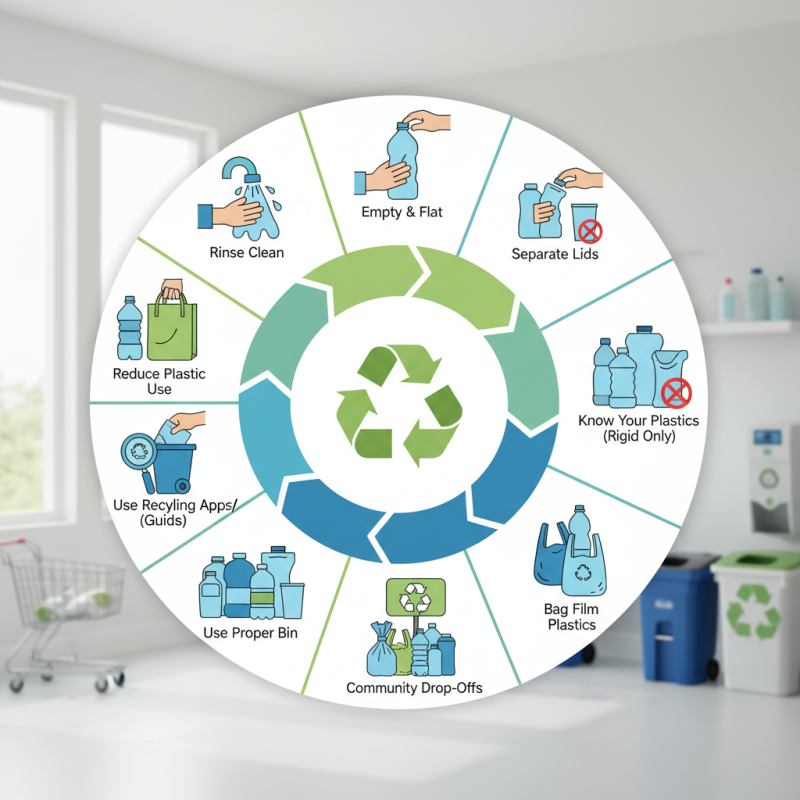
Understanding the various types of plastic packaging is crucial for effective recycling. Each type has a recycling code that indicates how it should be disposed of. Common plastics include PETE (1), used for beverage bottles, and HDPE (2), found in milk jugs. These codes help in identifying the recycling process suitable for each material.
It's important to clean containers before recycling. Residual food or liquid can contaminate the recycling stream. Rinsing items like yogurt containers or peanut butter jars makes a difference. Remember, even small amounts of residue can lead to larger issues in recycling facilities.
Ensure items are properly sorted before recycling. Mixing different types of plastics can lead to inefficiency. Check for local recycling guidelines, as they can vary significantly. Engage with community programs. They often provide resources and tips for better recycling practices. It's a collective effort, and every small action helps reduce plastic waste.
Rinsing and cleaning plastic packages before recycling is crucial. Many people neglect this step. They might think that a quick rinse is enough. However, residue from food or drinks can contaminate the recycling stream. Contaminated plastic often ends up in landfills. This defeats the purpose of recycling.
To ensure effective recycling, take the time to clean your packages. Use warm water and a bit of soap if possible. Pay attention to areas where food residue may hide. It's easy to overlook the insides of bottles or containers. These spots can retain oils and remnants. Even small amounts of leftover product can cause issues.
Keeping your recycling clean may feel tedious, yet it matters. Contamination decreases the quality of recycled materials. It can also lead to entire batches being discarded. Reflect on your recycling habits. Are you contributing to the problem? A little effort goes a long way. Engage others in your community to prioritize clean recycling. Together, you can enhance the effectiveness of recycling efforts in your area.
Sorting plastic packages for recycling is crucial for effective processing. According to the Environmental Protection Agency (EPA), around 27 million tons of plastic waste were generated in the U.S. in 2021 alone. However, only 9% were recycled. Sorting plastic correctly can significantly improve these statistics.
Begin by checking for the recycling symbol. This symbol usually features a number ranging from 1 to 7. Each number corresponds to a specific type of plastic. Not all plastics are recyclable, and mixing them complicates the process. For example, PETE (number 1) is widely accepted, while polyvinyl chloride (number 3) often is not. A 2020 report from the National Recycling Coalition revealed that improper sorting could lead to 30% of recycling materials ending up in landfills.
Cleaning plastic packages is another essential step. Residues can contaminate entire batches of recyclables. A study from the Plastic Pollution Coalition found that up to 50% of recyclable plastics might be rejected due to food waste. Rinsing containers and removing labels can drastically increase the chances of successful recycling. In this cycle of waste management, small efforts make huge impacts. Each properly sorted item contributes to a larger goal of sustainability.
Recycling plastic packaging is essential but often mismanaged. Many people believe rinsing containers is enough. However, leftover food residues can contaminate recycling streams. Ensure that all containers are thoroughly cleaned. This small step significantly enhances recycling efficiency.
Another common mistake is mixing different types of plastics. Each type has unique properties and recycling requirements. Check local guidelines to learn which plastics can be recycled together. Sorting them correctly helps reduce contamination and improves recycling rates.
Moreover, avoid using plastic bags to dispose of recyclables. They can jam machinery at recycling facilities. Instead, use designated recycling bins and make it a habit.
Educating yourself about local recycling procedures helps ensure you are contributing effectively to environmental efforts. Plastic packaging recycling could greatly benefit from thoughtful participation and awareness.
Recycling programs are essential for reducing plastic waste. Supporting local initiatives can make a significant difference. Many communities have established drop-off centers. These centers often accept specific types of plastic. Knowing what is accepted is vital for effective recycling.
Getting involved is straightforward. You can volunteer at local clean-up events. Many groups host these activities regularly. Your participation helps raise awareness. It also fosters a sense of community. Engaging with these groups can spark important discussions about recycling. These conversations can educate others about the impact of plastic pollution.
Take time to research local recycling guidelines. They can vary significantly from one place to another. Some areas may not have comprehensive programs. That means more responsibility falls on individuals. You may find that your efforts play a crucial role in enhancing these systems. Supporting local initiatives doesn't just ease your conscience; it builds momentum for change.
| Tip Number | Recycling Tip | Description | Local Initiative |
|---|---|---|---|
| 1 | Clean Before Recycling | Rinse out containers to reduce contamination. | Participate in local clean-up drives. |
| 2 | Separate Plastics | Sort different types of plastics for effective recycling. | Engage in community recycling workshops. |
| 3 | Check Local Guidelines | Understand your local recycling rules and regulations. | Attend local government meetings on recycling. |
| 4 | Use Recyclable Bags | Opt for bags with a recycle symbol to ease processing. | Support local stores that provide recyclable options. |
| 5 | Avoid Single-Use Plastics | Reduce reliance on products meant for one-time use. | Promote the use of reusable containers in your community. |
| 6 | Participate in Recycling Programs | Join local programs that facilitate plastic recycling. | Volunteer for community recycling events. |
| 7 | Educate Others | Share knowledge about recycling best practices. | Conduct workshops in schools or community centers. |
| 8 | Choose Recycled Products | Support products made from recycled materials. | Promote local businesses that offer recycled products. |
| 9 | Properly Dispose of Non-Recyclables | Follow guidelines for disposing of items that cannot be recycled. | Participate in hazardous waste collection events. |
| 10 | Stay Updated | Keep informed about changes in recycling policies. | Join local online forums about environment and recycling. |
: Proper sorting enhances recycling efficiency. It helps reduce plastic waste sent to landfills.
It shows the type of plastic. Each number from 1 to 7 corresponds to a specific plastic type.
No, not all plastics are recyclable. Mixing different types makes recycling more difficult.
Residues can contaminate recyclables. Cleaning significantly improves the chances of plastics being accepted.
Improper sorting can lead to 30% of materials ending up in landfills. This is a big waste.
Volunteer for community clean-up events. It raises awareness and fosters community involvement.
Guidelines vary by location. Understanding them ensures you recycle correctly and effectively.
Even small actions contribute to broader sustainability goals. Each correctly sorted item helps.
It sparks discussions on recycling. This can educate others about the importance of reducing plastic pollution.
It means more responsibility on individuals. Your actions can still improve local recycling systems.
Recycling plastic packages properly is essential for promoting environmental sustainability and reducing waste. To achieve this, it is crucial to understand the different types of plastic packaging and their recycling codes. Rinsing and cleaning plastic packages before recycling helps eliminate contaminants, ensuring better quality in the recycling process. Sorting plastic packages accurately allows for more effective recycling, which ultimately enhances the efficiency of recycling programs.
Common mistakes, such as leaving food residue or mixing different types of plastics, can hinder recycling efforts. By being aware of these errors and how to address them, individuals can contribute more effectively to local recycling initiatives. Supporting local recycling programs is also vital, as it fosters community involvement and helps improve the overall recycling landscape. By following these tips on how to recycle plastic packages properly, we can all play a part in protecting our environment.

Premir Plastic Package