In today's packaging industry, transparency plays a pivotal role. As consumers increasingly demand sustainable options, understanding why transparency is important for some plastic packages is essential. According to Dr. Emily Carter, an expert in sustainable packaging solutions, "Transparent packaging fosters trust between brands and consumers." This sentiment highlights the need for clear and open communication regarding materials and sourcing.
Transparent packaging allows brands to showcase their commitment to sustainability. It helps consumers make informed choices. For instance, knowing a product's plastic type and origin can influence buying decisions. However, some companies still hesitate, fearing negative perceptions. This reluctance could harm their credibility in a market that values honesty. The challenge lies in balancing transparency with brand messaging.
Additionally, educating consumers about recycling processes is critical. When brands transparently share this information, it can encourage responsible disposal. Yet, many still overlook this crucial aspect. The road to full transparency requires ongoing effort and reflection. Brands must continuously seek improvement, ensuring they meet customer expectations while adapting to industry challenges.
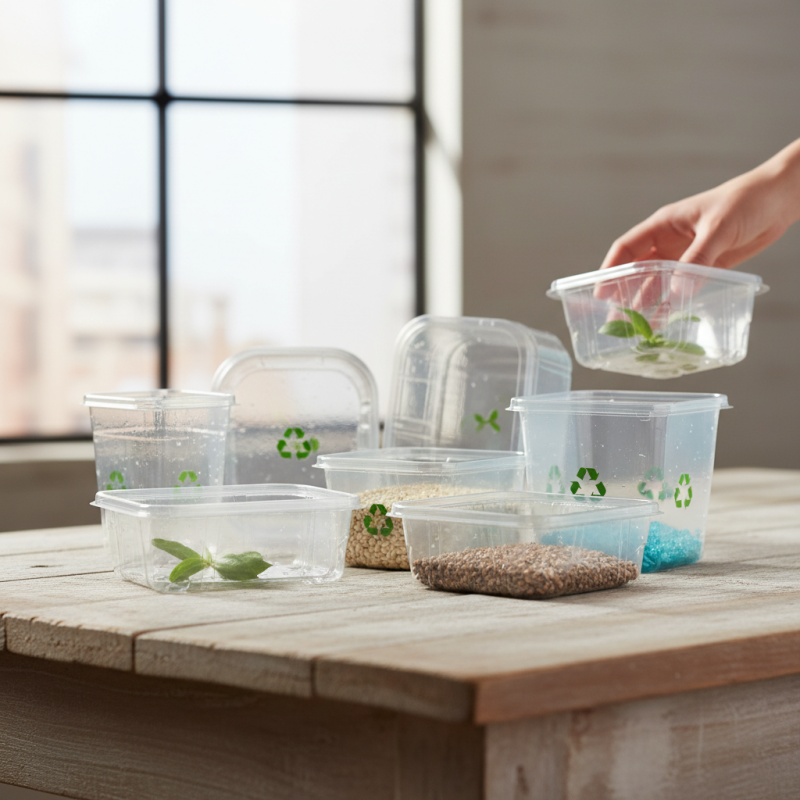
Transparency is increasingly recognized as a vital component in plastic packaging solutions. It goes beyond mere visibility; it encompasses accountability and trust in the materials used. Reports show that consumers are drawn to brands that provide clear information about their packaging practices. According to the Ellen MacArthur Foundation, around 70% of consumers prefer brands that share details on material sourcing and recyclability.
A lack of transparency can lead to skepticism. Reports indicate that over 60% of shoppers express concerns about plastic waste, yet many are unaware of the alternatives. Providing detailed information about packaging can mitigate these fears. Clear labeling about recycling guidelines encourages responsible consumer behavior. For instance, if consumers know how to dispose of packaging properly, it increases recycling rates significantly.
**Tip:** Use simple and clear language on labels. Avoid jargon to enhance understanding.
Brands that offer transparency can build stronger relationships with their customers. Studies show that companies disclosing their sustainability efforts see a 15% increase in brand loyalty. However, transparency does not solely benefit consumers; it also promotes innovation within the industry. Sharing information about materials and processes can encourage the development of new, sustainable alternatives.
**Tip:** Consider implementing a feedback loop with consumers. Their insights can lead to better practices.
: Plastic packaging contributes significantly to landfill waste and ocean pollution, which harms ecosystems and wildlife.
Only about 9% of plastic is recycled, highlighting the urgent need for better recycling practices.
Many consumers prefer brands using sustainable packaging, but they often lack clarity about environmental policies.
Transparency provides essential information about materials and recycling, helping consumers make informed choices.
Clear labeling on packaging about recyclability and sourcing can build consumer trust.
Balancing transparency with sustainability can be difficult due to production costs and material recyclability issues.
Advances in materials and nanotechnology improve visual clarity and barrier properties in packaging.
Approximately 70% of consumers favor products in transparent packaging, indicating its influence on purchasing decisions.
Many companies provide vague information, which can lead to consumer frustration and distrust.
Yes, the move for clearer packaging may increase plastic usage, necessitating a balance with environmental concerns.
Transparency in plastic packaging solutions is essential for fostering trust and accountability within the industry. It plays a significant role in addressing the environmental concerns associated with plastic waste, as consumers increasingly demand clear information about the materials used and their impact on the ecosystem. As such, understanding the environmental impact of plastic packaging not only satisfies consumer curiosity but also aligns with the broader push for sustainable practices.
Moreover, regulatory requirements are increasingly driving the need for transparency, compelling manufacturers to disclose more information about their packaging practices. Technological advancements are enhancing this transparency, enabling better tracking and labeling of packaging materials. Ultimately, understanding "Why is transparency important for some plastic packages" can lead to more informed consumer choices and a stronger commitment to sustainable development within the plastic packaging industry.

 Premir Plastic Package