How to Understand the Environmental Impacts of Plastic Packaging?

Time:2026-07-06 Author:Sophia
0%

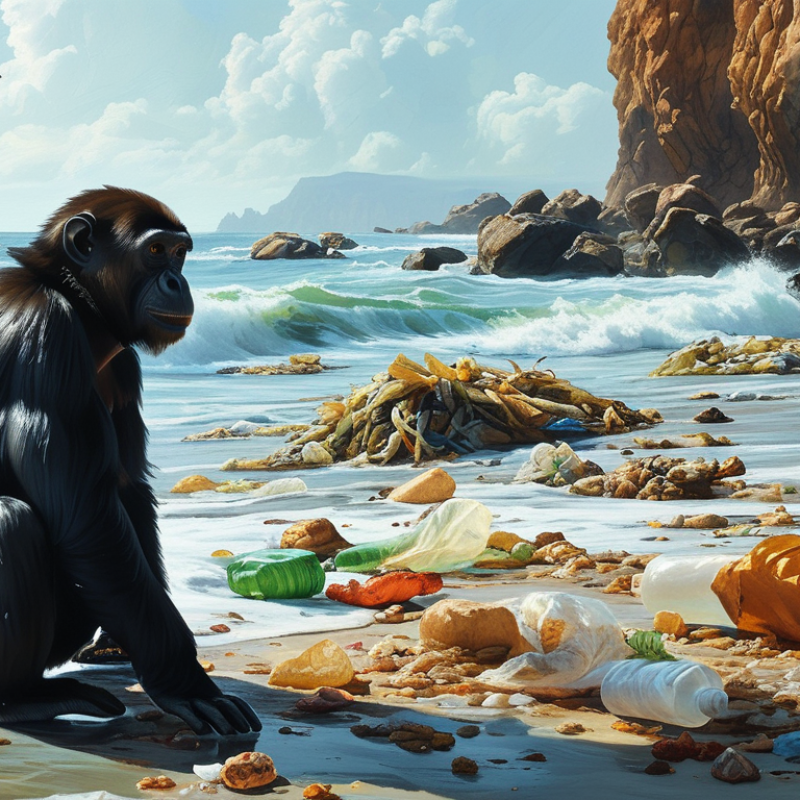
Plastic packaging is ubiquitous in our daily lives. However, it brings significant environmental challenges. Dr. Jane Goodall, a renowned primatologist and environmentalist, once stated, “What we do impacts all living things.” This emphasizes the urgency of understanding these impacts, particularly concerning plastic packaging.

What are the environmental impacts of plastic packaging? The production and disposal of plastic materials contribute to pollution and waste. Plastic can take hundreds of years to decompose. In oceans, plastic debris harms marine life, leading to serious consequences for biodiversity.

Moreover, the resources used to manufacture plastic packaging are considerable. Fossil fuels are not only consumed but also lead to greenhouse gas emissions. It’s crucial to recognize the trade-offs involved in our packaging choices. Assessing the environmental footprint of plastic starts with awareness and critical reflection. Only through informed decisions can we mitigate these negative impacts and promote sustainable alternatives.
How to Understand the Environmental Impacts of Plastic Packaging?

Types of Plastic Packaging and Their Common Uses

Plastic packaging is prevalent in modern life, but its environmental impact cannot be overlooked. According to a study by the Ellen MacArthur Foundation, plastic packaging accounts for about 40% of all plastic produced globally. This figure highlights the pressing need to evaluate its types and uses.

There are several common types of plastic packaging. Polyethylene terephthalate (PET) is often used for water and soft drink bottles. This type of plastic is recyclable, yet only about 29% of PET is collected for recycling. High-density polyethylene (HDPE), found in milk jugs and detergent bottles, also has a decent recycling rate of 30%. However, many consumers are unaware of recycling protocols, leading to increased waste.

Then there's polystyrene, commonly used for food containers. Its recycling is challenging, with only about 10% being processed. This means most polystyrene ends up in landfills or the ocean. While some biodegradable options exist, their breakdown can take several years in a landfill. The irony lies in our reliance on convenient packaging, overshadowing the need for sustainable alternatives.

Understanding the Environmental Impacts of Plastic Packaging

Environmental Footprint of Plastic Packaging Production

Plastic packaging has a significant environmental footprint, largely stemming from its production process. Manufacturing plastic requires fossil fuels, which contribute to carbon emissions. The extraction and refinement of oil lead to air and water pollution, affecting communities nearby. This process consumes large amounts of energy, often originating from non-renewable sources.

After production, plastic packaging often ends up in landfills or oceans. Decomposing is a slow process. Microplastics can leach into soil and water systems, impacting ecosystems. Many consumers underestimate the life cycle of plastic. Awareness of the environmental impact can drive better choices in packaging alternatives. Consider reusable options. Transitioning to biodegradable materials may not always be feasible or perfect. Each small step matters, yet the complexity of waste management presents ongoing challenges in waste reduction.

How to Understand the Environmental Impacts of Plastic Packaging? - Environmental Footprint of Plastic Packaging Production

Impact Category Plastic Type Global Warming Potential (kg CO2e) Water Usage (liters) Energy Consumption (MJ) Landfill Contribution (%)
Production PET 5.0 2.0 20 14
Production HDPE 6.3 1.5 19 11
Production LDPE 5.7 1.8 22 12
Usage PP 7.2 2.5 25 10
End-of-life PS 4.5 1.0 15 20

Impact of Plastic Waste on Marine and Terrestrial Ecosystems

Plastic waste has become a pervasive issue in our environments, especially in marine and terrestrial ecosystems. Millions of tons of plastic enter the oceans every year. This waste harms marine life, entangling sea turtles and birds. Animals mistake plastic for food and ingest it, leading to starvation or death. Microplastics are even more insidious. They infiltrate the food chain, affecting organisms from the smallest plankton to larger predators.

On land, plastic pollution disrupts ecosystems as well. Wildlife can become trapped in plastic debris, causing injury or death. Soil health suffers when plastics degrade, leaching harmful chemicals into the earth. This affects plant growth and the animals that depend on those plants. We need to question our reliance on plastic packaging. For every convenient item made, there is an environmental cost. Reflecting on our consumption can lead to more sustainable practices. Small changes in individual behaviors can contribute to larger shifts in environmental health.

Recycling Challenges and Opportunities for Plastic Packaging

The impact of plastic packaging on the environment is significant. Recycling plays a crucial role in reducing waste. However, many challenges affect the effectiveness of recycling processes.

One major challenge is contamination. When plastic packaging is not clean, it becomes difficult to recycle. Food residue or mixed materials can ruin entire batches. Ensuring cleanliness is essential for successful recycling efforts.

Tips: Clean your plastic packaging before recycling. This simple step can make a big difference. Also, check local recycling guidelines to know what materials are accepted.

Another issue is the market for recycled plastic. Demand often fluctuates, making it hard for recycling facilities to operate smoothly. Not all recycled plastics get repurposed due to economic factors. This creates a gap in the recycling loop that needs addressing.

Tips: Support initiatives that promote the use of recycled materials. Reducing single-use plastics in your daily life can alleviate pressure on recycling systems. Small changes can lead to significant improvements.

Innovative Alternatives to Reduce Plastic Packaging Use

The impact of plastic packaging on our environment is profound. It contributes significantly to pollution and waste. Thankfully, there are innovative alternatives emerging to tackle this issue. Businesses and consumers can explore several eco-friendly options to reduce plastic use.

Biodegradable materials are gaining traction. These alternatives break down naturally, minimizing long-term damage. Products made from plant-based materials, such as cornstarch or mushroom mycelium, serve as great replacements. They decompose over time, enriching the soil instead of polluting it.

Tips: Opt for packaging made from recycled paper or glass. Consider bulk buying to limit packaging waste. Reusable containers also help reduce the reliance on single-use items. The transition to sustainable options may not be seamless, but it’s a step toward a healthier planet. Explore options and find what works best for you. Small changes can lead to significant impacts.

FAQS

: What is the main environmental issue with plastic packaging?

: Plastic packaging contributes significantly to waste, with only a small percentage being recycled effectively.

How much of PET plastic is recycled?

Approximately 29% of PET is collected for recycling, but this number is still low.

Why is recycling polystyrene problematic?

Only about 10% of polystyrene is recycled, leading most of it to landfills or the ocean.

How does plastic production impact the environment?

It creates carbon emissions and pollution, often using non-renewable energy sources.

What happens to plastic packaging after disposal?

Many plastics take years to decompose, and microplastics can contaminate soil and water.

What can individuals do to improve recycling?

Clean plastic packaging before recycling and follow local recycling guidelines for better outcomes.

Why do some recycled plastics not get repurposed?

Economic fluctuations affect the demand for recycled materials, leading to ineffective recycling systems.

What are biodegradable options in packaging?

Some exist, but they can take years to break down in landfills, raising concerns over their effectiveness.

What small steps can individuals take for sustainability?

Transitioning to reusable items and reducing single-use plastics can help lessen environmental impact.

Why is consumer awareness important regarding plastic waste?

Understanding the life cycle of plastic can encourage better choices and promote sustainable alternatives.

Conclusion

The article titled "How to Understand the Environmental Impacts of Plastic Packaging?" delves into the various facets of plastic packaging and its implications for the environment. It begins by categorizing different types of plastic packaging and their prevalent applications, providing a foundation for understanding their widespread use. The environmental footprint of plastic packaging production is scrutinized, highlighting the significant carbon emissions and resource depletion involved.

Further, the article addresses the severe consequences of plastic waste on both marine and terrestrial ecosystems, emphasizing issues such as pollution and biodiversity loss. It also discusses the recycling challenges that hinder effective waste management, while exploring potential opportunities for improvement. Lastly, the article considers innovative alternatives that can mitigate plastic packaging usage. Overall, it raises the crucial question: What are the environmental impacts of plastic packaging? This inquiry is essential for fostering informed discussions about sustainability and eco-friendly practices in packaging.

Sophia

Sophia

Sophia is a dedicated marketing professional with an exceptional depth of knowledge about her company's products and services. With a keen understanding of market trends and customer needs, she crafts insightful blog posts that not only inform but also engage readers, enriching the company’s online......