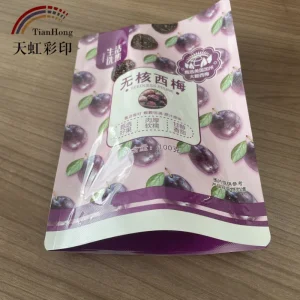
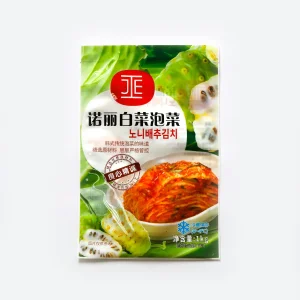
Since 1985, Tongcheng Packaging Materials Co., Ltd. has set the gold standard in professional flexible packaging. With a registered capital of RMB 11.98 million and a massive 7700 square meter facility, we combine legacy with cutting-edge technology.
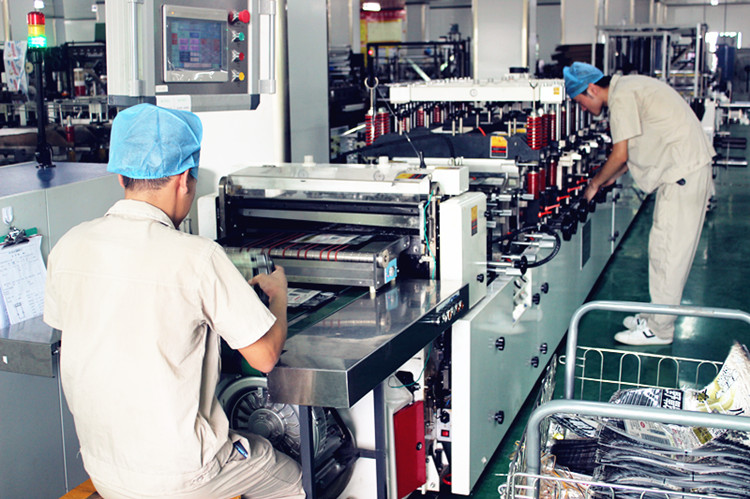
Equipped with gravure plate making, high-speed printing, multi-layer lamination, and sophisticated film-blowing, we produce 5000 tons annually. Every biohazard bag is a result of rigorous ISO22000 and GB 9683-1988 quality systems.
Exporting to Europe, America, and Southeast Asia, our logistics and quality protection systems ensure on-time shipment and product integrity for high-stakes medical and industrial applications.
In the realm of medical waste management, "Plastic Biohazard Bags" are more than just disposables—they are the critical first line of defense against pathogenic transmission and chemical exposure. As a leading manufacturer, we understand that Information Gain for procurement officers lies in the technical nuances of material science.
Our bags utilize Linear Low-Density Polyethylene (LLDPE) and High-Density Polyethylene (HDPE) blends to achieve superior puncture resistance (ASTM D1709) and tear strength. This is crucial for containing sharp laboratory waste and heavy biological specimens.
Designed for steam sterilization (autoclaving), our specialized biohazard liners can withstand temperatures up to 135°C (275°F) without losing structural integrity or leaking hazardous fluids.
Fully compliant with OSHA (Occupational Safety and Health Administration) standards and international infectious waste disposal protocols, featuring the universal biohazard symbol and multi-lingual warnings.
From resin sourcing to film blowing, printing, and bag conversion, Chinese factories like Tongcheng offer a seamless supply chain. This reduces lead times and ensures unmatched cost-efficiency compared to localized Western manufacturing.
Whether you need custom thicknesses (from 1.2 to 4 mil), specific dimensions, or unique closure systems (star-sealed bottoms vs. flat seals), our engineering teams can prototype within days.
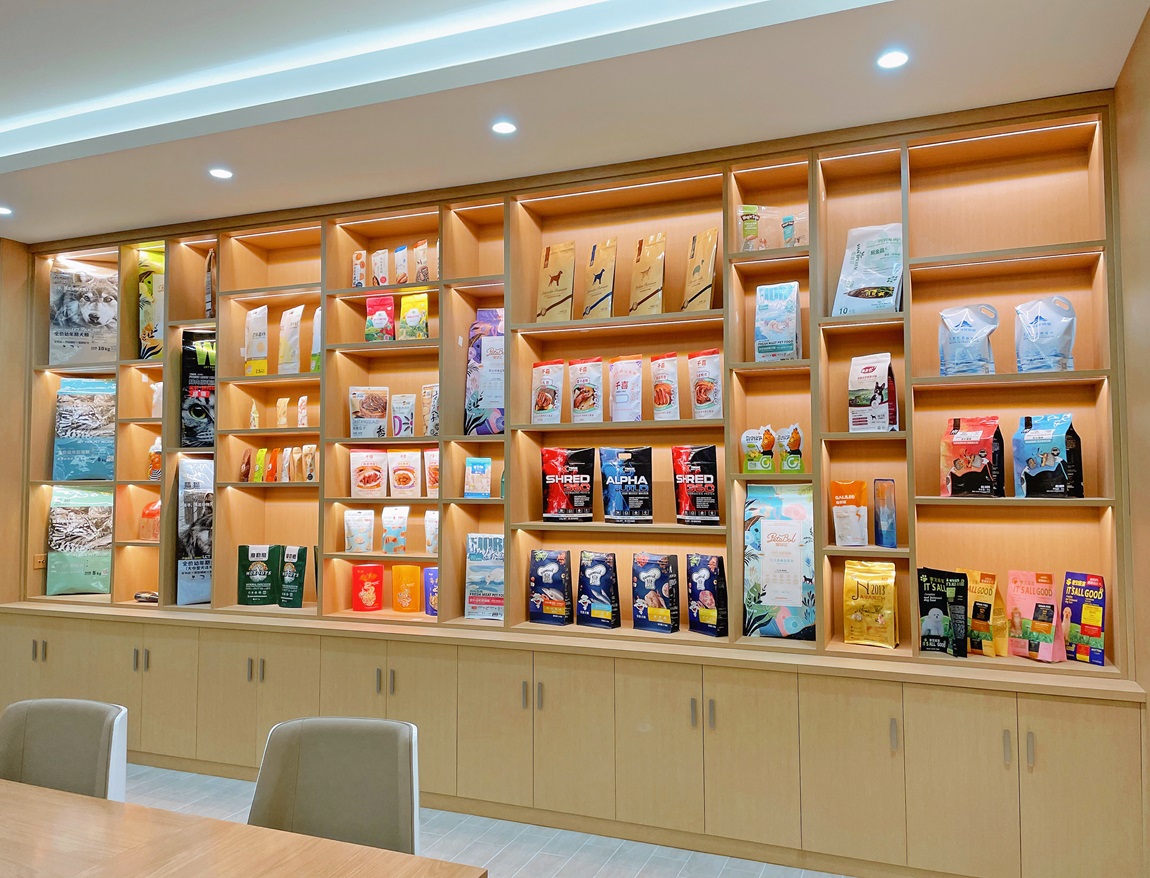
Implementing color-coded waste segregation (Red for biohazard, Yellow for clinical, Blue for glass) to streamline hospital logistics and reduce cross-contamination risks.
High-mil thickness liners for forensic evidence collection and infectious lab samples, ensuring no molecular leakage during transport.
Anti-static and chemical-resistant liners for the disposal of hazardous pharmaceutical residues and chemically-laden personal protective equipment (PPE).
The industry is shifting toward "Biodegradable Biohazard Bags" made from PLA and PBAT blends. While waste is often incinerated, the manufacturing footprint of these materials is significantly lower, appealing to ESG-conscious global enterprises.
RFID and QR code printing on biohazard bags are becoming standard for tracking waste from "Cradle to Grave," providing digital manifests for hazardous waste disposal audits.
Typically, Red Bags are used for anatomical waste, blood-soaked items, and infectious materials. Yellow Bags are often designated for clinical waste, including chemicals and pharmaceutical residues, though these standards vary by region (e.g., UK vs. US OSHA).
For general clinical waste, 1.2 to 1.5 mil is sufficient. For heavy-duty lab waste or items with potential sharp edges, we recommend 2.0 to 4.0 mil to ensure compliance with ASTM tear-resistance standards.
Yes. As a manufacturer, we provide high-resolution gravure printing. Customization includes logos, specific disposal instructions, and localized safety warnings in any language.
Due to our 5000-ton capacity, our MOQs are designed for wholesale distributors and large healthcare systems, typically starting at 10,000 to 50,000 units depending on customization requirements.
 Premir Plastic Package