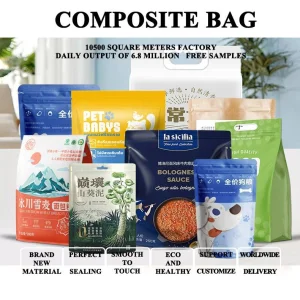
Explore our premium select range engineered to strict regulatory standards for global packaging applications
In the high-value jewelry distribution and retail supply chain, packaging functions as more than a simple containment method; it acts as a primary protective barrier against environmental deterioration. Fine jewelry, particularly when crafted from sterling silver, copper alloys, and low-karat gold, is highly vulnerable to surface oxidation, tarnish, and abrasive damage during transportation and storage. The choice of polymer materials, seal geometry, and structural barrier properties directly determines the preservation quality of the product's finish.
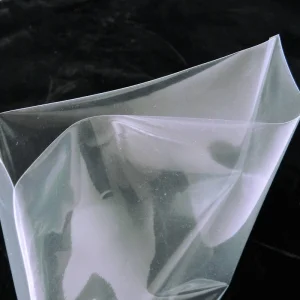
Industrial jewelry plastic bags are engineered from targeted polymer resins to block environmental contaminants. Oxygen and humidity are the main accelerators of chemical tarnish, meaning materials must be designed with minimal Water Vapor Transmission Rates (WVTR) and Oxygen Transmission Rates (OTR). Industry leaders rely on specialized co-extruded films and anti-tarnish formulas to protect metal surfaces from reactive atmospheric elements like hydrogen sulfide (H₂S).
Modern packaging manufacturing relies on distinct polymer groups to achieve clear optics, mechanical strength, and chemical neutrality:
Established in 1985, Tongcheng Packaging Materials Co., Ltd. has developed into a leading manufacturer of high-precision flexible packaging. Operating within international standards, we supply components to major brands throughout Europe, North America, and Southeast Asia. Over nearly four decades, our technical focus has expanded from basic poly-bags to engineered multi-layer barrier systems, cleanroom-produced medical pouches, and eco-friendly packaging alternatives.
Based in our advanced manufacturing facility, our operation covers 5,500 square meters of land with 7,700 square meters of modern workspace. We strictly follow quality control systems certified to ISO22000 and GB 9683-1988 standards, ensuring our packaging products meet high safety and performance benchmarks globally.
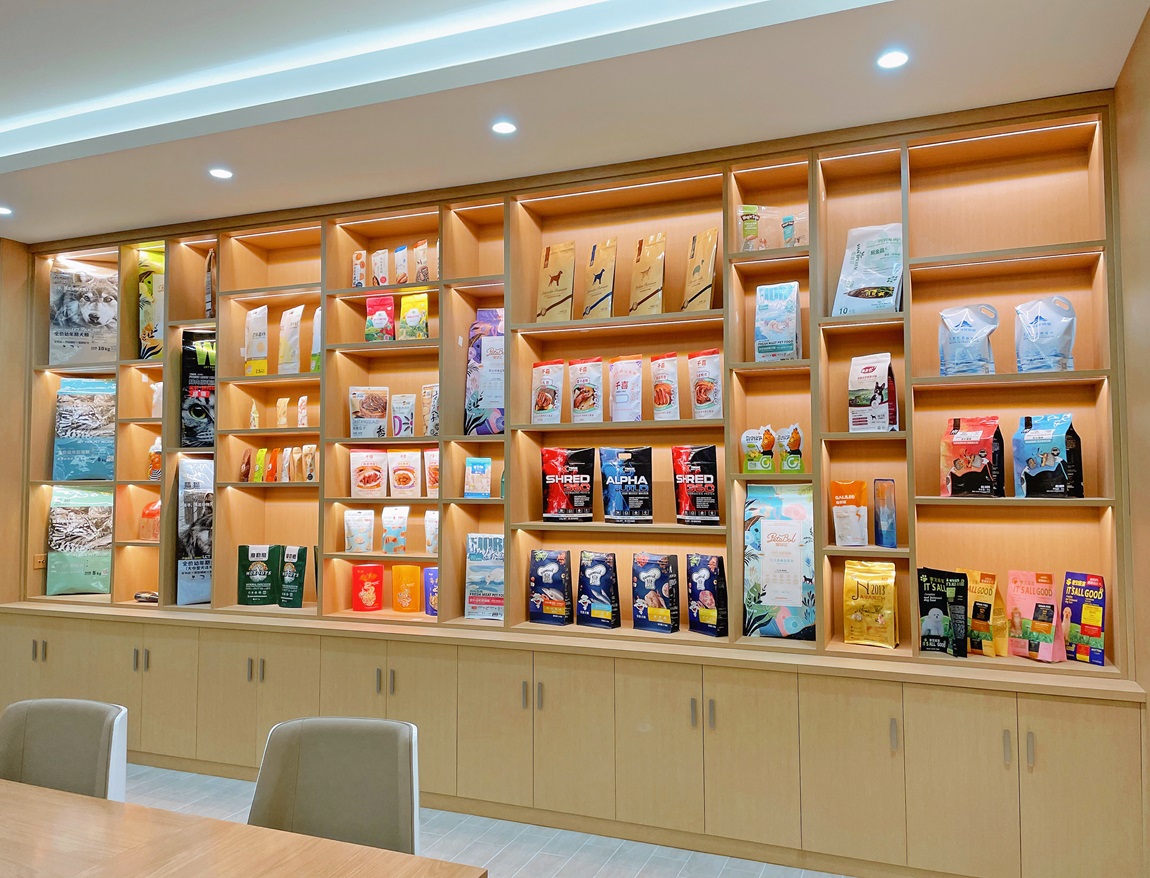
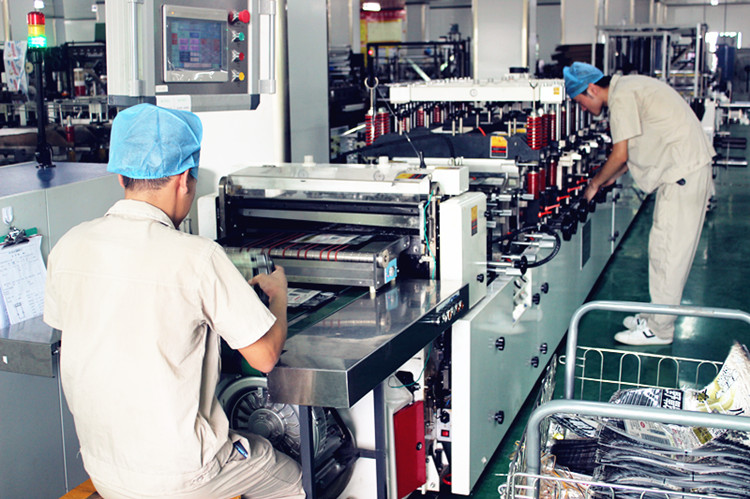
Our integrated manufacturing standards provide comprehensive protection across physical, financial, and logistical pathways.
We implement real-time optical sorting and thickness monitoring across our extrusion lines. By adhering to ISO22000 and GB 9683-1988, every production run undergoes testing for tensile strength, seal durability, and chemical migration limit compliance.
Through our optimized supply chain and ERP manufacturing schedule, we manage lead times down to the day. Our annual 5,000-ton capacity ensures high-volume orders are fulfilled on time even during peak seasonal demand.
We offer secure escrow and flexible payment terms for international buyers. This structured process protects operating capital throughout the design, production, and verification cycles.
For international buyers managing premium jewelry brands, regulatory compliance is essential. Heavy metals in colorants, phthalates, and raw polymer choices are regulated under directives such as the EU's RoHS, REACH, and US FDA requirements. Packaging that fails migration or composition tests can lead to shipping delays and product recalls.
Our raw materials are sourced only from certified petrochemical suppliers, ensuring full traceability. Tongcheng Packaging designs products to comply with international regulations, including the strict GB 9683-1988 hygienic standards for food and contact-safe plastics. This level of quality control ensures our films remain chemically stable and do not transfer compounds to polished jewelry surfaces over long storage periods.
| Polymer Compound | Clarity Rating | Standard Thickness Range | Primary Use Cases | Sustainability Index |
|---|---|---|---|---|
| Low-Density Polyethylene (LDPE) | High (85-90% Haze) | 40μm - 120μm | Standard zip-lock bags, component sort pouches | Recyclable (Code 4) |
| Ethylene-Vinyl Acetate (EVA) | Excellent (Ultra-Clear) | 60μm - 150μm | Luxury sliding pouches, anti-scratch jewelry cases | Reusable / Durable |
| Chlorinated Polyethylene (CPE) | Translucent (Matte Finish) | 50μm - 100μm | Tarnish-preventive bags, high-end display inserts | Biodegradable Blends Available |
| High-Barrier Mylar Lamination | Opaque / Metallized | 80μm - 180μm | Long-term archival storage, bulk distribution | High Protection / Low OTR |
For sterling silver and copper, we integrate Volatile Corrosion Inhibitor (VCI) additives directly into the inner layer of our co-extruded films. The VCI chemistry releases a dry protective vapor that deposits as a thin molecular layer on all metal surfaces within the sealed bag. This layer blocks the chemical reaction that causes tarnish (oxidation) without affecting the surface finish of the jewelry, removing the need for anti-tarnish tabs or silica gel inserts.
Our long-term development roadmap focuses on advancing material safety and eco-friendly flexible packaging solutions.
Increasing the use of Post-Consumer Recycled (PCR) resins and Polylactic Acid (PLA) in our transparent zip-lock lines, helping brands reduce their carbon footprint without compromising film clarity.
Developing bio-based, plant-derived anti-tarnish compounds that offer excellent oxidation protection for precious metals while remaining compostable.
Integrating high-definition, water-based digital printing and RFID/NFC tracking tags directly into the zip-lock film layer to support inventory management and authentication.
Answers to common questions about material selection, customization options, and compliance standards.
Standard PVC packaging contains plasticizers and chlorine compounds that can break down over time, releasing trace amounts of hydrochloric acid. This acid accelerates oxidation, causing silver, gold, and brass jewelry to tarnish quickly. Our EVA, CPE, and PE alternatives are chemically stable, plasticizer-free, and designed to protect polished metal surfaces.
We maintain strict sanitation protocols and perform regular migration testing on our films. Our ISO22000 certified cleanroom facilities prevent airborne contaminants during the extrusion and conversion steps, ensuring our packaging products meet strict international hygienic and safety standards.
Our standard production lead time is 15-20 days, which covers gravure plate preparation, high-speed multi-color printing, and custom bag conversion. We provide clear scheduling updates for all international shipments to ensure on-time delivery.
Yes, we offer flexible packaging options using biodegradable polymers, starch-blended resins, and Post-Consumer Recycled (PCR) materials. These options help brands reduce plastic waste while maintaining necessary protective barriers.
Browse our catalog of custom-engineered pouches, protective films, and rigid packaging formats
 Premir Plastic Package