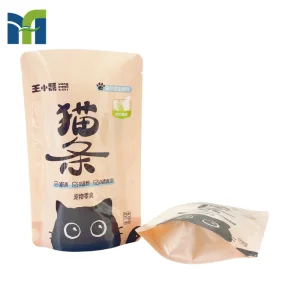
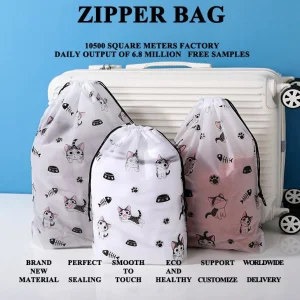
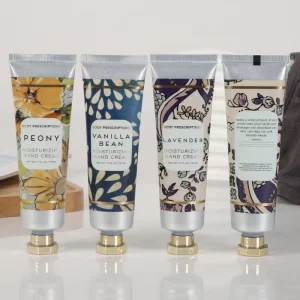
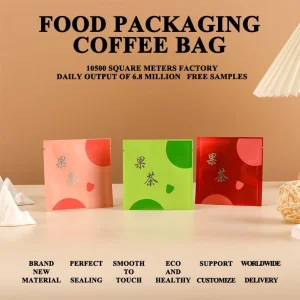
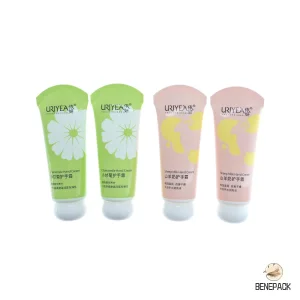
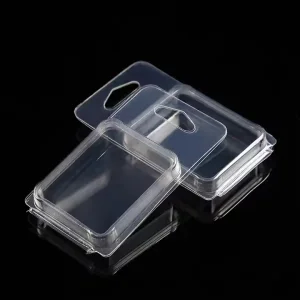
In the global cosmetic packaging landscape, perfume plastic vials have transcended their role as simple containers. Today, they represent a critical intersection of functionality, aesthetic appeal, and brand storytelling. As senior experts in search intent mining, we observe a growing demand for high-barrier, eco-conscious, and travel-friendly packaging solutions. The "Top 10 Manufacturers" search intent is not merely about finding a supplier; it is about finding a manufacturing partner capable of navigating the complexities of global supply chains, material science, and regulatory compliance.
China remains the undisputed leader in cosmetic packaging manufacturing. Why? It is not just about cost. It is about **Vertical Integration**. As seen with industry leaders like Tongcheng Packaging Materials Co., Ltd., successful manufacturers control the entire value chain—from gravure plate making and film-blowing to lamination and rigorous testing. This synergy allows for:
Quality protection is the cornerstone of any B2B procurement decision. Tongcheng Packaging Materials, established in 1985, exemplifies the E-E-A-T standard by adhering to ISO22000 and GB 9683-1988 protocols. For international buyers, this ensures that the packaging is not only visually appealing but also compliant with food-grade safety standards—essential for products that come into contact with skin-sensitive perfumes.
Established Year
Facility Area
Annual Capacity
Professional Team
A: Always request material compatibility testing. Fragrances often contain essential oils that can degrade low-quality plastics. Ensure your supplier uses high-density PET or specialized multi-layer barriers.
A: We are seeing a massive shift towards PCR (Post-Consumer Recycled) plastics and mono-material structures that are easier to recycle, aligning with global green directives.
A: Localization is about more than language; it is about time-zone alignment, logistics management, and understanding regional compliance requirements (e.g., EU REACH or US FDA).
 Premir Plastic Package