Top 10 Security Plastic Bags Manufacturers & Factory

The Definitive Procurement Guide & Technical Blueprint for High-Security Tamper-Evident Packaging Solutions

1. Global Procurement Dynamics of Security Plastic Bags

The global security packaging market has transitioned from a standard logistics accessory to a highly integrated component of modern supply chain risk management. Enterprises worldwide—ranging from international retail giants to top-tier financial institutions, state-run election councils, and biomedical laboratories—recognize that custom-designed security plastic bags are the first line of defense against pilferage, contamination, and unauthorized access.

In high-stakes scenarios, the cost of bag failure goes far beyond material loss; it involves significant liability, operational delays, and regulatory penalties. Consequently, modern procurement managers no longer source security bags based on simple dimensions and unit cost. Today, evaluations focus heavily on technical performance criteria, material consistency, traceable serialization, and environmental compliance.

99.99%
Tamper-Proof Verification Rate
<0.05%
Production Defect Rate Target
ISO 22000
Global Standards Alignment
100%
Traceable Serialization Data

Industry-specific demands vary considerably across verticals:

  • Banking & Financial Institutions: High-density co-extruded polymers capable of holding substantial physical weight (such as coins and high-value cash shipments) with tamper-evident indicator tapes showing immediate mechanical, chemical, or thermal changes.
  • Medical and Healthcare Logistics: Leak-proof bags that withstand biohazardous materials, conform to strict hygienic levels (like cleanroom production processes), and meet biological transport regulations.
  • Aviation Duty-Free (STEBs): Strict alignment with International Civil Aviation Organization (ICAO) rules to permit duty-free liquid transport across international airports.
  • Police & Forensic Science: Tamper-evident bags with unique barcode tracking and secure writing spaces to record a rigorous, legally admissible chain of custody.

Technical Specifications & Material Science

How Advanced Tamper-Evident Packaging Protects Chain of Custody

Multi-Layer Film Technology

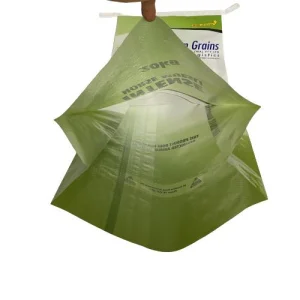
Co-extruded films combine different densities (LDPE, MDPE, HDPE) to create a packaging envelope that balances puncture resistance, burst strength, and low weight, while remaining flexible.

Chemical & Heat Indicators

High-security closure systems integrate indicators that react visually to solvents, extreme cold (liquid nitrogen), or hot air guns, turning the indicator strip a dark or distressed color to indicate tampering.

Unique Serialized Coding

Dual or triple sequential barcode numbering matching the bag's receipt allows logistics hubs to scan and monitor the exact route of goods, providing a transparent audit trail.

The manufacturing process is equally complex. The transition from simple resin extruders to multi-layer film blowing lines requires highly controlled environments. Ensuring consistent thickness (often measured in microns with tolerances under 3%) is critical to preventing seam blowouts. Similarly, modern printing demands water-based, environment-friendly inks that adhere strongly to treated plastic films, ensuring printed barcodes do not flake, smudge, or scratch off during rough transit.

3. Global Commercial & Industrial Landscapes

As governments globally pass stricter regulations on package waste and product safety, security bag factories must quickly modernize their production lines. For example, within the European Union (EU), regulations like the Packaging and Packaging Waste Regulation (PPWR) require manufacturers to steadily integrate post-consumer recycled (PCR) resins into their security products without lowering tear or seal strength.

In North America, ASTM standards govern testing methods for mechanical security seals and packaging integrity. Modern security bag plants must consistently verify performance metrics under lab conditions, including drop tests, puncture tests, and peel tests. These steps ensure the bag's closure remains intact even during severe temperature fluctuations and physical impacts.

Meanwhile, the rapid growth of cross-border e-commerce has made package integrity and tamper-evidence standard requirements for third-party logistics (3PLs) and premium shipping hubs. High-value retail brands routinely use custom printed security bags to deter internal theft and prevent counterfeit goods from slipping into return logistics channels.

Manufacturer Spotlight & Factory Capacity

Tongcheng Packaging Materials Co., Ltd.

Industrial Legacy Since 1985

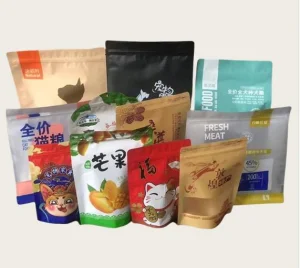
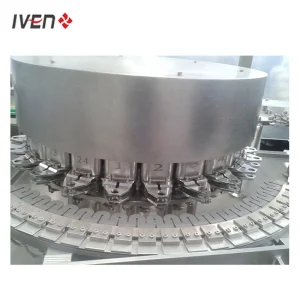
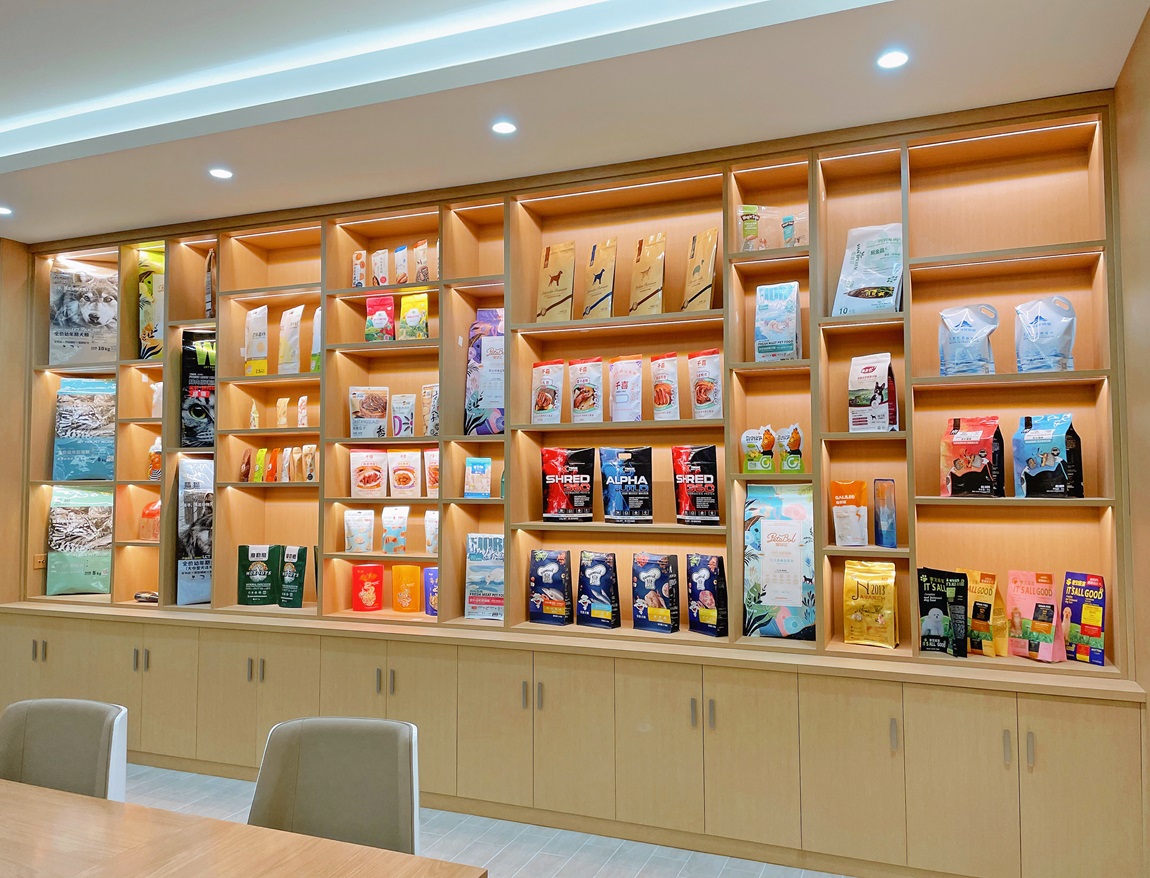
Since 1985, Tongcheng Packaging Materials Co., Ltd. is a senior professional manufacturer in supplying flexible packaging by international standards. Our products exported to countries in Europe, America and Southeast Asia. The company covers a total area of 5500 square meters and has 7700 square meters for building. The company's registered capital is RMB 11.98 million Yuan. There are totally 150 lovely employees working together. Equipped with gravure plate making, printing, lamination, slitting, bag-making and film-blowing and testing areas, our annual production capacity reached 5000 tons.
Product Quality Protection
Payment Protection
On-time Shipment Protection
Service Protection
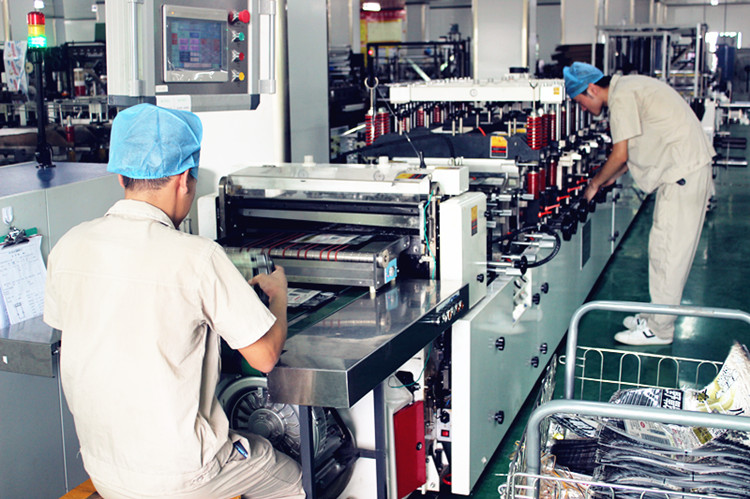
Tongcheng Advanced Production Line 1 Tongcheng Advanced Production Line 2

Product Quality Protection & Advanced Production Equipment

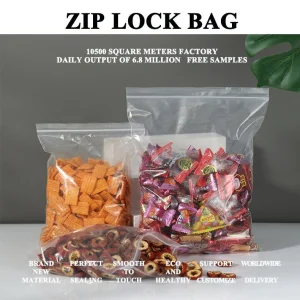
We follow quality control system of ISO22000 and GB 9683-1988 strictly to ensure quality. Based on this, our products are exported to clients all over the world. All these products are qualified after being tested by authentic system. Under strict operating standards, we ensure that every batch of co-extruded films, security envelopes, food-grade ziplocks, and pharmaceutical barrier materials meets high performance criteria before leaving our warehouse.

4. Technical Roadmap & Future Outlook

The security packaging sector is entering a phase of rapid innovation driven by digitalization and materials science. In the coming years, security packaging will move beyond passive physical verification to become active, trace-ready digital systems.

Key technologies shaping the future of security plastic packaging include:

  • Smart Serialization & Blockchain: Integrating unique, dynamic QR codes onto every bag. By storing packaging event data on a blockchain ledger, recipients can scan the code to verify that the bag's seal remained intact throughout the journey.
  • Eco-Friendly Film Chemistry: Developing biodegradable films that maintain high puncture resistance, along with solvent-based indicator tapes that perform reliably on bio-based plastics.
  • RFID & NFC Sensor Integration: Embedding ultra-thin RFID tags directly within co-extruded security layers. These allow distribution hubs to verify and track entire crates of secure items without needing line-of-sight visual scans.

5. Local Compliance, Auditing, and Verification Standards

When selecting a top-tier security packaging manufacturer, quality management certifications are essential credentials. These standards verify the facility's production consistency and material safety:

  • ISO 9001 (Quality Management System): Ensures consistent production quality across large manufacturing runs.
  • ISO 22000 (Food Safety Management System): A key standard for food-contact packaging, establishing rigorous hazard analysis and critical control point (HACCP) principles.
  • GB 9683-1988: The Chinese national standard for hygienic safety in plastic laminated food-packaging materials, confirming that films and inks remain free from toxic chemicals or heavy metals.
  • CEN & ASTM Security Seals Compliance: Establishes testing methods to verify mechanical security and visual tamper evidence for transit envelopes.

Security Packaging FAQ

Answers to Key Technical and Sourcing Questions
What makes a security bag truly "tamper-evident"?
A security bag uses advanced void-indicative adhesives, micro-printed edges, and heat/cold-sensitive indicator strips. If someone attempts to open the seal using mechanical peeling, heat, or solvents, the adhesive tape permanently changes colors or displays warning text like "VOID" or "OPENED," showing clear proof of unauthorized access.
Can PCR (Post-Consumer Recycled) materials be used in high-security bags?
Yes. Modern multi-layer co-extrusion technology allows manufacturers to place PCR materials within the core layer, while using virgin resins on the outer layers. This configuration maintains the bag's tear resistance and tensile strength while meeting environmental sustainability targets.
What certifications should a high-quality food or medical packaging factory hold?
Top-tier facilities should hold ISO 22000, ISO 9001, and comply with national hygienic standards like GB 9683-1988 or FDA regulations. These certifications ensure the materials used are free from chemical migration hazards and are manufactured in controlled, hygienic environments.
Why is sequential serialization critical for high-security transit?
Sequential barcodes, tracking numbers, and receipt tear-offs prevent bad actors from replacing a compromised security bag with a new one. The exact code is recorded at dispatch and verified at the destination, maintaining a secure, unbroken chain of custody.
How does co-extrusion differ from standard monolayer plastic film?
Co-extrusion melts and presses different plastic resins together into a single, multi-layered film. This process allows engineers to combine specific properties—such as opacity on the inner layer and writeability on the outer layer—to create high-durability packaging.