Top Best Antifog Plastic Film Factory & Supplier

Industrial-Grade Barrier Solutions, Custom Advanced Lamination, and Intelligent Anti-Fog Technology for Global Supply Chains.

Est. 1985
Deep Industry Experience
5000+ Tons
Annual Production Capacity
ISO22000
Certified Quality Management
GB 9683
National Hygienic Standard

Understanding Antifog Plastic Film: Science, Trends & Global Dynamics

In the modern logistics chain, maintaining absolute visual clarity and structural barrier properties inside packages is vital. Water condensation, or "fogging," occurs when moisture within a sealed package condenses as micro-droplets on the hydrophobic inner surface of the plastic film. This not only impairs the consumer's view of the product but also speeds up biological decomposition in fresh produce and causes oxidation or water spots on industrial components. High-performance Antifog Plastic Film addresses this by modifying the surface energy of the substrate, forcing water droplets to form a thin, transparent layer instead of scattering light as fog.

Historically, packaging suppliers relied on simple top-coated surface surfactants to achieve brief anti-fog properties. Over time, these surfactants would migrate out, washing away or contaminating the contents. Today, top manufacturers leverage multi-layer co-extrusion technology. This integrates polymeric masterbatches into the sealant layer or uses plasma-assisted chemical coatings. This method maintains stable surface energy levels (>40 dyne/cm) over long periods, surviving challenging thermal cycles without compromising optical haze limits.

The Technical Standard: Quality anti-fog films must achieve a light transmission score of >90% and reduce haze values to less than 2.0% under simulated cold and hot fog conditions, ensuring optimal visibility and product safety.

Global Enterprise Sourcing & Procurement Demands

B2B procurement teams looking for anti-fog materials face a complex set of requirements. Modern buyers must balance high clarity, strict global safety rules, and physical performance. Main factors include:

  • Dynamic COF (Coefficient of Friction): Essential for high-speed Form-Fill-Seal (FFS) systems. A low COF (between 0.20 and 0.30) prevents film jamming and maintains fast production cycles.
  • Multi-layered Hermetic Seal Integrity: Anti-fog agents can migrate into the heat-seal layer and weaken seals. Modern formulations use co-extrusion methods to ensure strong seals, even through dust or fat residues.
  • Chemical Inertness & Compliance: Food-contact packaging must comply with FDA regulations (21 CFR Part 177) and European Union Regulation (EU) No 10/2011. Migration tests are vital to ensure no harmful substances enter the food.
  • Environmental Standards: There is a growing demand for recyclable mono-material structures (such as all-PE laminated structures) and bio-based plastics (PLA/PBAT) that maintain effective anti-fog properties.

China Factory 4.0: Resilient Supply Chains

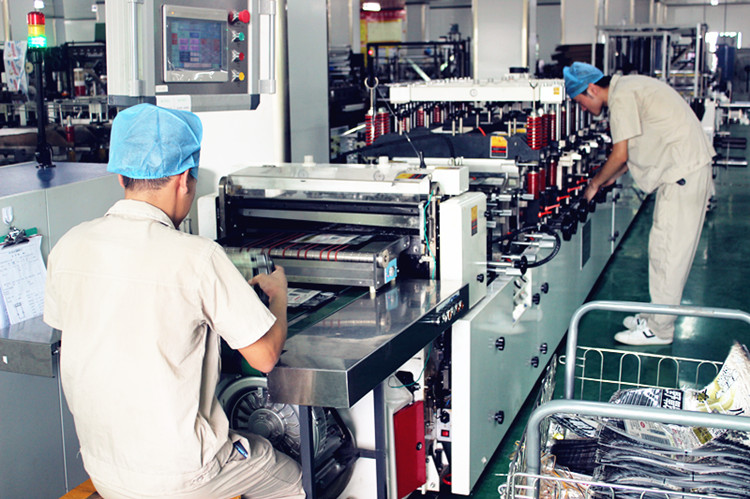
As supply chains shift worldwide, leading manufacturing hubs like Tongcheng Packaging Materials Co., Ltd. are upgrading to Factory 4.0 standards. Advanced manufacturing combines cost efficiency with reliable output and top quality. By running automated gravure print systems, high-efficiency co-extrusion lamination lines, and computerized inline defect detectors, we ensure consistent physical and chemical properties in every roll.

Our supply chain resilience relies on raw material supply networks, automated inventory tracking, and strategic shipping ports. With these resources, we keep lead times steady even during global transit challenges. For international buyers, choosing a supplier with in-house gravure plate-making, film-blowing, and testing operations minimizes quality variations.

Comprehensive Global Protection Protocols

To help our global partners buy with confidence, our operations include 4 core protections:
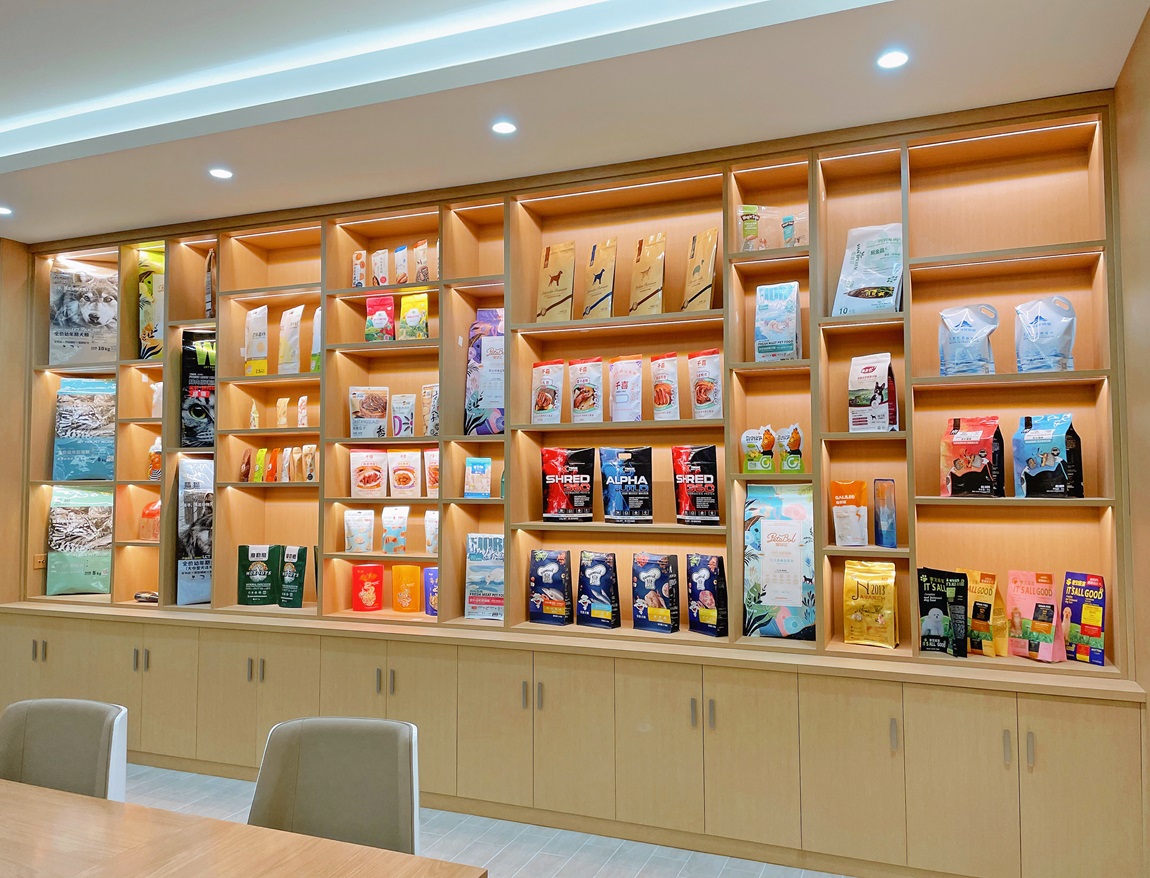
  • Product Quality Protection: Verified by in-house labs checking tensile strength, haze index, and raw material purity against ISO22000 and GB 9683-1988 guidelines.
  • Payment Protection: Flexible, secure transaction channels tailored for commercial trade.
  • On-time Shipment Protection: Systemized scheduling from order receipt through extrusion, lamination, and port delivery.
  • Service Protection: Dedicated technical support for rapid response on product adjustments, dynamic sizing, and custom designs.
Advanced Co-extrusion and Lamination Machinery Area
High Precision Slitting and Film Quality Testing Lab

Tongcheng Packaging Materials Co., Ltd.

Established in 1985, Tongcheng Packaging Materials Co., Ltd. is a leading professional manufacturer of high-quality flexible packaging, meeting international specifications. Over almost four decades, the company has expanded its export network across Europe, the Americas, and Southeast Asia. We are dedicated to providing excellent materials that protect food, agricultural produce, medical devices, and consumer goods.

Our production campus covers a total area of 5,500 square meters, with 7,700 square meters of modern workspace. Supported by a registered capital of RMB 11.98 million Yuan, our team of 150 dedicated employees combines technical expertise with reliable service.

Our facility features advanced production systems, including:

  • High-speed gravure plate-making and multi-color printing presses.
  • Solvent-free and dry lamination machinery.
  • Precision slitting and versatile bag-making systems.
  • Dedicated film-blowing systems and testing laboratories.

With an annual production capacity of over 5,000 tons, we supply consistent, bulk orders to international distributors, commercial packaging plants, and retail brands worldwide.

Antifog Plastic Film Technical FAQ

What is the difference between migratory and permanent anti-fog additives?
Migratory anti-fog films use internal additives that slowly rise to the surface over time to lower surface tension. They are cost-effective but can wash off or lose effectiveness. Permanent anti-fog films feature chemically bonded hydrophilic coatings or co-extruded structures. This provides stable performance and prevents contamination, making them ideal for high-humidity and long-shelf-life packaging.
Are your anti-fog films safe for direct contact with food?
Yes, our films comply with FDA 21 CFR Part 177 standards, the GB 9683-1988 national hygienic code, and European EU 10/2011 regulations. We run regular migration testing using simulated food mediums to ensure safety across food types and storage conditions.
What testing methods do you use to verify anti-fog performance?
We use standard hot and cold fog tests. The cold fog test places the film sample over a beaker of water at 4°C inside a closed chamber. The hot fog test exposes the sample to water vapor at 60°C. We measure light transmission, haze, and the water contact angle over set intervals to verify long-term performance.
Can anti-fog films be recycled within standard plastic waste streams?
Yes. Traditionally, multi-layer mixed films present recycling challenges. However, we now offer mono-material PE/PE and PP/PP laminated anti-fog films. These meet local circular economy recycling standards (such as SPI code 2 and 4) without losing barrier or anti-fog properties.