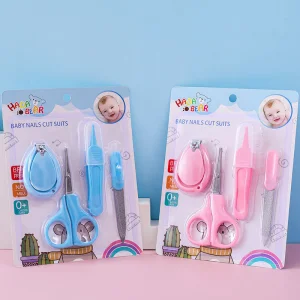
Engineered multi-layer flexible substrates optimized for pharmaceutical protection, cosmetic integrity, and industrial food preservation.
Understanding the shift in global supply chains, barrier physics, and regulatory mandates for multinational procurement directors.
The global high barrier plastic film market is experiencing a profound paradigm shift driven by stringent food safety protocols, extended pharmaceutical stability requirements, and global decarbonization initiatives. High barrier flexible films are no longer treated as passive wrapping materials; they operate as dynamic micro-climate management systems engineered to inhibit the permeation of Water Vapor Transmission Rate (WVTR), Oxygen Transmission Rate (OTTR), Volatile Organic Compounds (VOCs), and Ultraviolet light rays.
Across the North American, European, and Asia-Pacific industrial corridors, brand owners face double-sided pressures: maximizing shelf-life integrity while aggressively reducing scope 3 carbon footprints. Achieving barrier performance previously required thick, non-recyclable multi-material aluminum foil laminates (e.g., PET/AL/OPA/PE). Today, tier-one manufacturers deploy nano-scale barrier coatings, 9-to-11 layer co-extrusion technology, and oriented mono-material substrate structures (BOPE and MDO-PE) infused with EVOH and PVDC matrix formulations that deliver equivalent or superior protection while enabling circular economy compliance.
“Information Gain Insight: Selecting the optimal high barrier film supplier requires moving past simple thickness metrics (microns). Modern sourcing directors evaluate crystal structure orientation, resin-grade ethylene mol% contents in EVOH, thermal-seal integrity under high-speed VFFS/HFFS automation, and documented oxygen permeation rates after linear strain stress.”
A rigorous comparative analysis of core barrier materials, thermal properties, and gas transition barriers.
| Substrate / Barrier Layer Type | OTTR (cc/m²/24h @ 23°C, 0% RH) | WVTR (g/m²/24h @ 38°C, 90% RH) | Thermal Seal Range (°C) | Primary Industrial Applications |
|---|---|---|---|---|
| PVDC Coated PVC (180 GSM High-Pharma Grade) | < 0.5 - 1.2 | < 0.2 - 0.5 | 120 - 150 | Blister packaging for moisture-sensitive active pharmaceutical ingredients (APIs). |
| EVOH (32 mol% Ethylene Copolymer) | < 0.1 - 0.3 | 1.5 - 3.5 | 140 - 180 | Aseptic liquid packaging, infant milk powder foil stocks, MAP meat trays. |
| AlOx / SiOx Vacuum Vapor Coated PET | < 0.5 - 1.0 | < 0.5 - 1.0 | 130 - 170 | Microwavable high-barrier food pouches, transparent snack food laminates. |
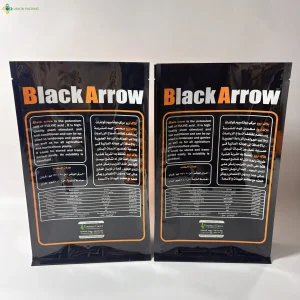
| Aluminum Foil Lamination (PET/AL/PE) | ~ 0.00 (Absolute) | ~ 0.00 (Absolute) | 150 - 190 | Plant nutrient powders, chemical reagents, premium coffee doy-packs. |
| Recyclable MDO-PE / EVOH / PE Monomaterial | < 0.8 - 1.5 | < 1.0 - 2.0 | 110 - 140 | Circular-economy compliance packaging for FMCG & personal care brands. |
Oxygen degrades organic fatty acids, oxidizes vitamin content, and triggers aerobic microbial proliferation. By utilizing ultra-dense EVOH interlayers, ambient oxygen ingress is reduced below 0.1 cc/m²/day, expanding product shelf life from 3 months to over 24 months without synthetic preservatives.
Hydrophobic polymers such as LLDPE, HDPE, and PVDC prevent humidity absorption in hygroscopic dry powders (e.g., infant milk formulas, plant nutrients, pharmaceutical granules), maintaining structural free-flow properties and anti-caking integrity.
During global freight shipping, packages experience dynamic vibration and drop impacts. High-strength biaxially oriented polyamide (BOPA/Nylon) co-extrusions prevent micro-pinholing, flex-cracking, and seal-burst risks under ambient pressure fluctuations.
Inside Tongcheng Packaging Materials Co., Ltd. — Decades of Extrusion & Converting Leadership.
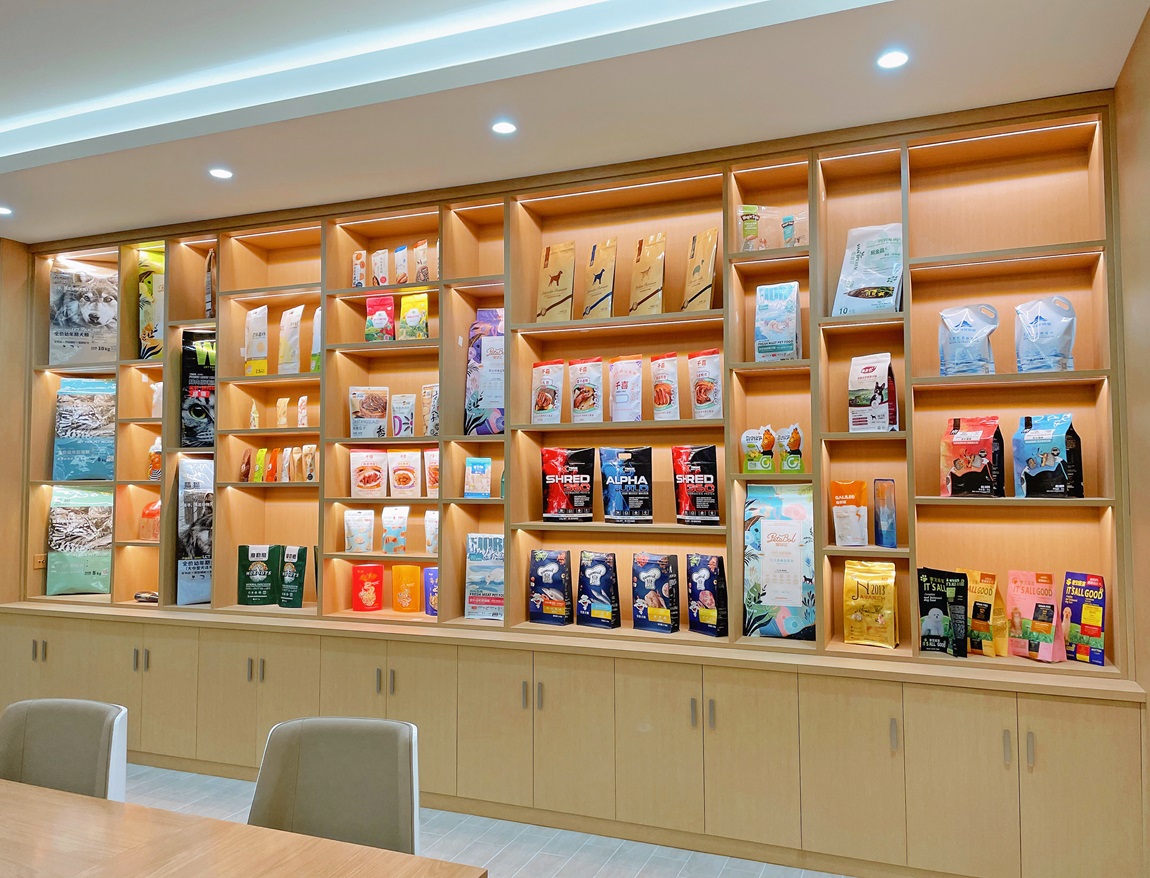
Established in 1985, Tongcheng Packaging Materials Co., Ltd. stands as an established high-tier supplier in the international flexible packaging sector. Operating across a facility footprint of 5,500 square meters with an optimized 7,700 square meters of structural production building space, the enterprise operates with a registered capital of RMB 11.98 million Yuan and a dedicated workforce of 150 technical specialists.
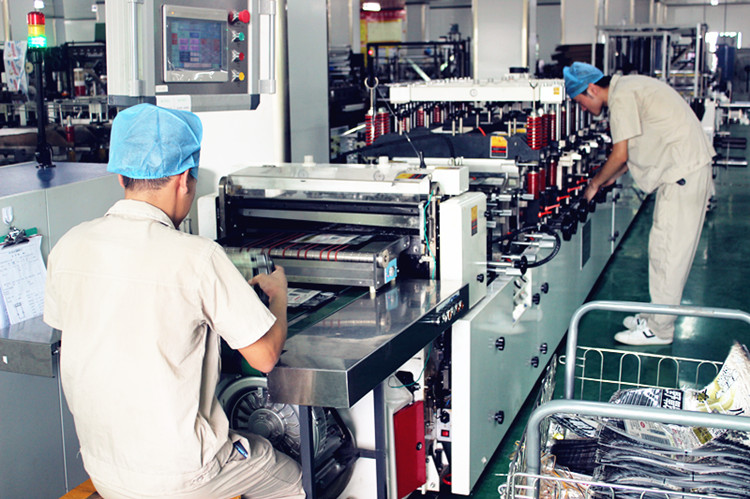
Equipped with vertically integrated production lines—spanning electronic gravure plate manufacturing, high-speed multi-color gravure printing, solvent-free lamination, precision slitting, multi-style pouch making, and multi-layer film blowing—Tongcheng maintains an impressive annual production capacity exceeding 5,000 metric tons.
Tailored barrier architectures engineered for stringent vertical industry demands.
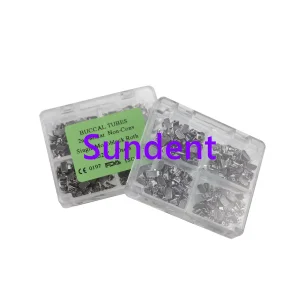
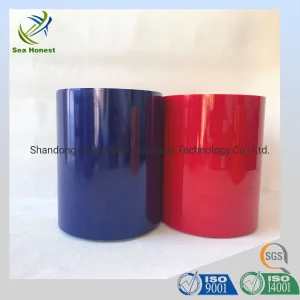
Utilizing thermoformable PVC/PVDC multi-layer rigid and flexible substrates (40GSM to 180GSM PVDC coating weights), ensuring complete hydrolytic stability for moisture-sensitive solid dosage tablets, capsule blisters, and dental orthodontic apparatus.
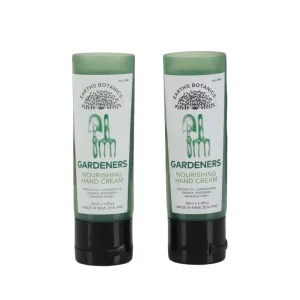
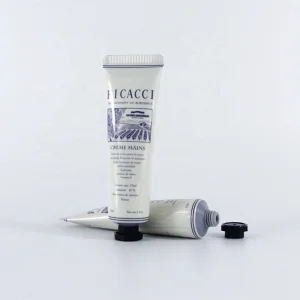
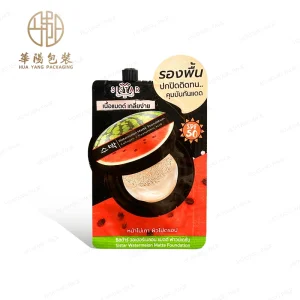
Skincare formulas rich in natural lipids, vitamin C, and essential oils require low-absorption barrier liners. Specialty laminates and hand cream tube substrates prevent ingredient migration, essential oil loss, and container delamination.
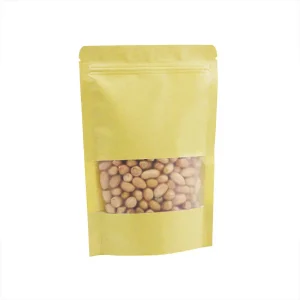
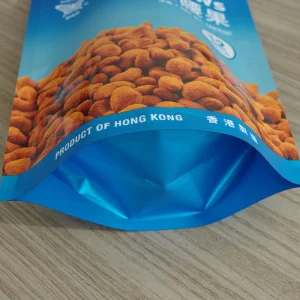
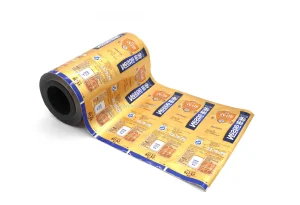
From infant milk powders to high-potency plant nutrient concentrates, 8-side sealed flat bottom bags and roll stocks incorporate light-proof foil layers and tear-resistant zipper closures to eliminate oxidation and clumping during prolonged storage.
A structured evaluation framework designed for procurement managers to mitigate supplier risks and ensure quality consistency.
When shortlisting international high barrier plastic film suppliers, global buyers must audit vendors beyond baseline pricing per kilogram. Uncontrolled layer gauge variations, sub-standard adhesive lamination, and inconsistent corona surface treatment can result in high factory rejection rates, package seal failures, and severe brand liability.
Verify whether the factory uses modern multi-layer co-extrusion dies equipped with automatic thickness control systems (Beta-ray or X-ray sensors). Gauge tolerance should remain within ±2.5% across the entire web width to prevent machine downtime on fast automated packaging lines.
For food contact and sensitive cosmetic packaging, residual solvent levels must be rigorously tested using Gas Chromatography (GC). Premier suppliers guarantee total residual solvents below < 3.0 mg/m², eliminating cross-contamination risk for taste and aroma.
Tier 1 suppliers provide fully traceable Certificate of Analysis (CoA) documentation per production batch, confirming compliance with US FDA 21 CFR, EU Regulation 10/2011, ISO 22000 standards, and heavy metal limits (CONEG/REACH).
Explore specialized industrial formats, recyclable barrier packaging, and heavy-duty protective films.
Direct answers to common engineering, supply chain, and substrate specification questions.
 Premir Plastic Package