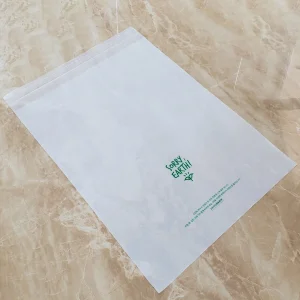
Explore our diverse catalog of high-performance flexible packaging options engineered for global markets.
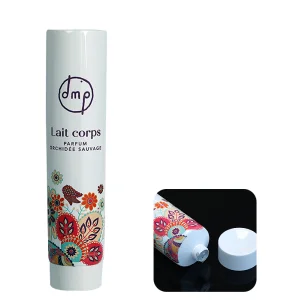
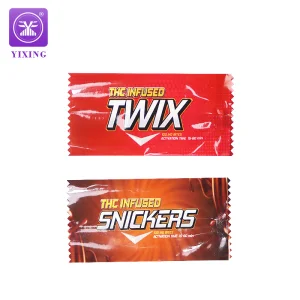
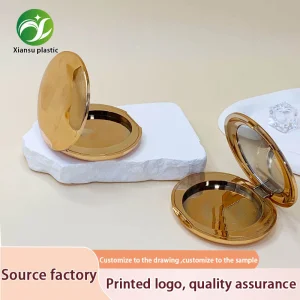
Unrivaled production capacity and quality standards driving the global flexible packaging landscape.
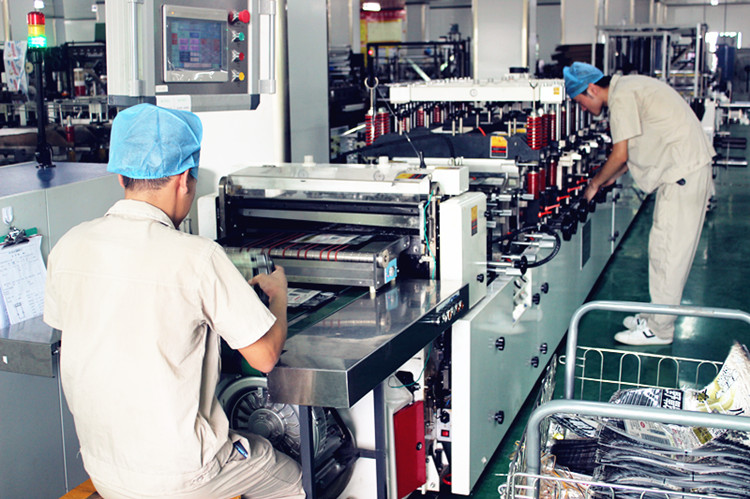
Since 1985, Tongcheng Packaging Materials Co., Ltd. has established itself as a senior professional manufacturer supplying premium flexible packaging by international standards. Over four decades of operational refinement, we have continuously exported customized solutions to Europe, America, and Southeast Asia. Our state-of-the-art facilities cover a total land area of 5,500 square meters, boasting 7,700 square meters of high-tech building space. With a registered capital of RMB 11.98 million Yuan and 150 highly skilled employees, we maintain complete control over the production loop: from gravure plate making, professional multi-layer printing, and laminating, to precision slitting, bag-making, film-blowing, and strict cleanroom testing.
"Quality is not an inspection checklist; it is an engineered certainty. Our ISO22000 and GB 9683-1988 certified processes guarantee that our materials deliver the barrier properties and gas exchange performance demanded by modern supply chains."
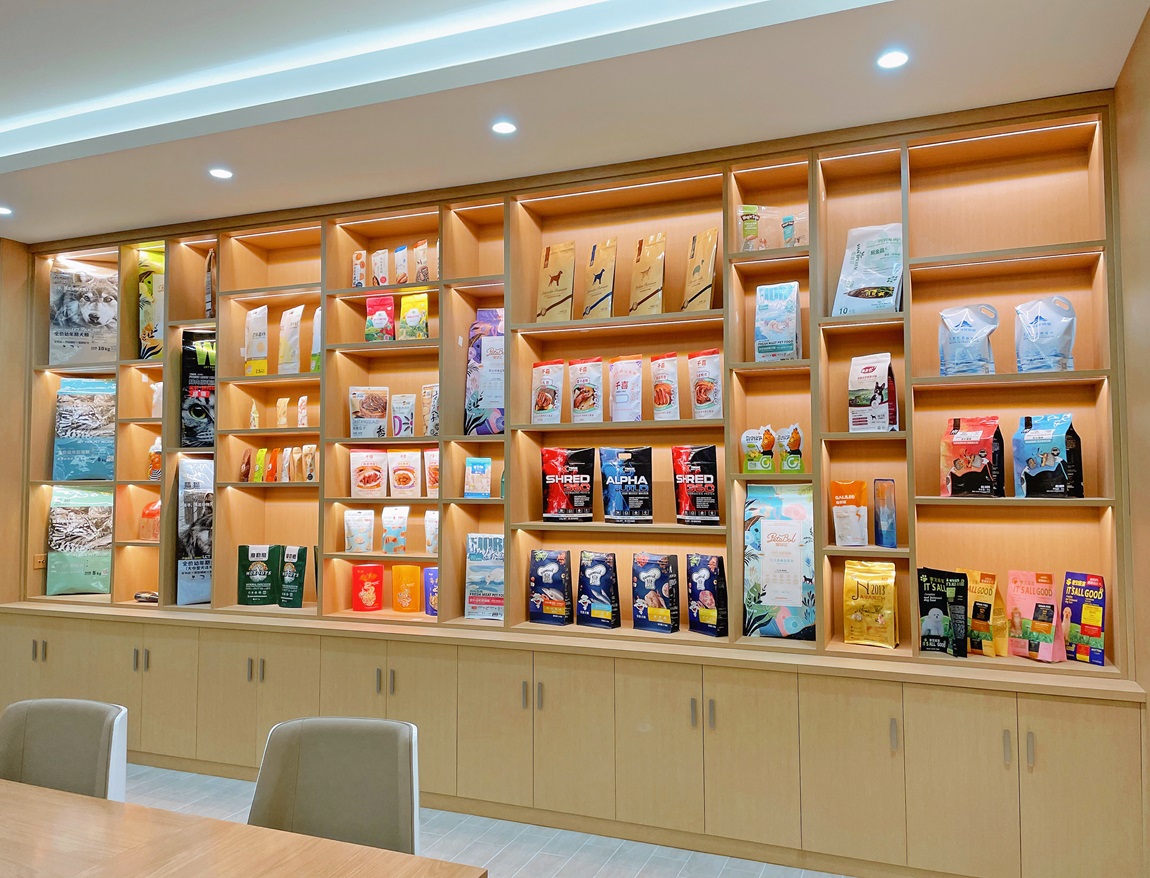
Perforated plastic films are specialized barrier materials customized to allow regulated gas transmission rates (OTR and CO2TR). The underlying technology relies heavily on micro-perforation, which involves creating a pattern of tiny, precise holes (ranging from 50 to 500 microns in diameter) across the film surface. This alters the film's permeability, transforming standard packaging into an active breathing membrane. These films are critical for extending the shelf life of fresh agricultural produce, preventing condensation in bakery items, and optimizing gas exchange in biological and medical packaging systems.
By employing two primary manufacturing methodologies—hot-needle mechanical perforation and high-speed laser micro-perforation—factories can design specific permeability profiles. Hot-needle processing creates round holes with a reinforced, molten rim, which increases tear resistance under tensile loads. In contrast, laser systems allow for ultra-precise hole geometries and density configurations, crucial for high-respiration commodities like mushrooms or berries that demand precise atmospheric control (Modified Atmosphere Packaging, or MAP).
Purchasing perforated film from specialized Chinese factories yields distinct competitive advantages for global packaging distributors and corporate end-users:
The global packaging sector is undergoing a massive shift towards sustainability and smart functionality. These trends are actively shaping the design of modern perforated films:
Integrating PLA (Polylactic Acid) and PBAT blends with micro-perforations to meet stringent EU EN 13432 and TUV certification standards, reducing plastic pollution.
Configuring hole densities based on real-time respiration modeling of fresh produce, maintaining optimal internal oxygen (O2) and carbon dioxide (CO2) ratios.
Applying advanced surface coatings to prevent condensation droplets, ensuring product visibility, reducing decay, and preserving structural package integrity.
To successfully integrate perforated plastic films, industrial buyers must evaluate specific application demands:
Every meter of film is subjected to rigorous testing protocols to safeguard your supply chain reliability.
We operate strictly under the ISO22000 and GB 9683-1988 quality management frameworks. All physical properties are tested using digital tensile testers, gas chromatographs, and leak detection devices to ensure compliance.
To build trust and secure capital, we offer flexible payment terms and comply with international trade credit assurance, protecting your procurement cycles from risk.
Backed by our 5,000-ton annual production capacity and automated slitting systems, we ensure scheduled container dispatches and maintain precise logistical traceability.
Our dedicated technical support team handles material specification changes, layout design for custom gravures, and post-delivery performance evaluations.
Detailed answers to technical questions about micro-perforated packaging systems.
A1: Standard polymer films (like BOPP or PE) have low baseline oxygen transmission rates. Micro-perforation introduces high-density arrays of microscopic channels (typically 50μm to 150μm). These channels increase gas exchange rates, allowing oxygen to enter and excess carbon dioxide to vent. The exact transmission profile is determined by tailoring the hole diameter, density, and spacing based on the respiration rate of the packaged goods.
A2: Hot-needle perforation uses heated pins to melt through the film web. This process creates a clean aperture with a smooth, melted perimeter bead. This bead acts as a reinforcement ring, reducing the risk of tears under stress. Cold-needle perforation mechanically punctures the film, leaving a rough flap of displaced material. Cold needle is generally used for simple venting (e.g., apparel packaging), while hot needle is preferred for high-speed automated packaging lines and fresh food packaging.
A3: We operate under the ISO22000 Food Safety Management System and the GB 9683-1988 hygienic standards for composite food packaging. All raw resins and additives are food-grade certified, and production is carried out in cleanroom environments with regular microbial audits.
A4: Yes. Using advanced multi-layer lamination, we can laminate a perforated polymer layer with other functional films. This lets us design complex structures, such as peelable resealable lidding, where only specific areas are micro-perforated to manage internal humidity while keeping the rest of the pouch airtight.
Select from our extensive line of cosmetic tubes, corrugated boxes, and certified sustainable packaging.
 Premir Plastic Package