Industrial-grade solutions for diverse vertical markets.
From simple storage to intelligent Returnable Transport Packaging (RTP).
Global environmental regulations are forcing a shift from single-use cardboard to durable, recyclable plastic crates. The "Circular Economy" model in logistics focuses on crates with a 10-year lifespan, significantly reducing the carbon footprint of global retail giants.
With the rise of AGVs (Automated Guided Vehicles) and ASRS (Automated Storage and Retrieval Systems), plastic crates are now engineered with precision dimensions and reinforced bases to ensure seamless interaction with robotic sensors and conveyor belts.
Modern suppliers are embedding RFID and NFC tags into crate moldings. This allows real-time asset tracking, inventory visibility, and temperature monitoring for cold chain logistics, transforming a "box" into a "data point."
In the current global economic landscape, procurement officers are looking for more than just low costs; they seek Supply Chain Resilience. Chinese manufacturers, led by innovators like Tongcheng Packaging, have transitioned into "Factory 4.0" status.
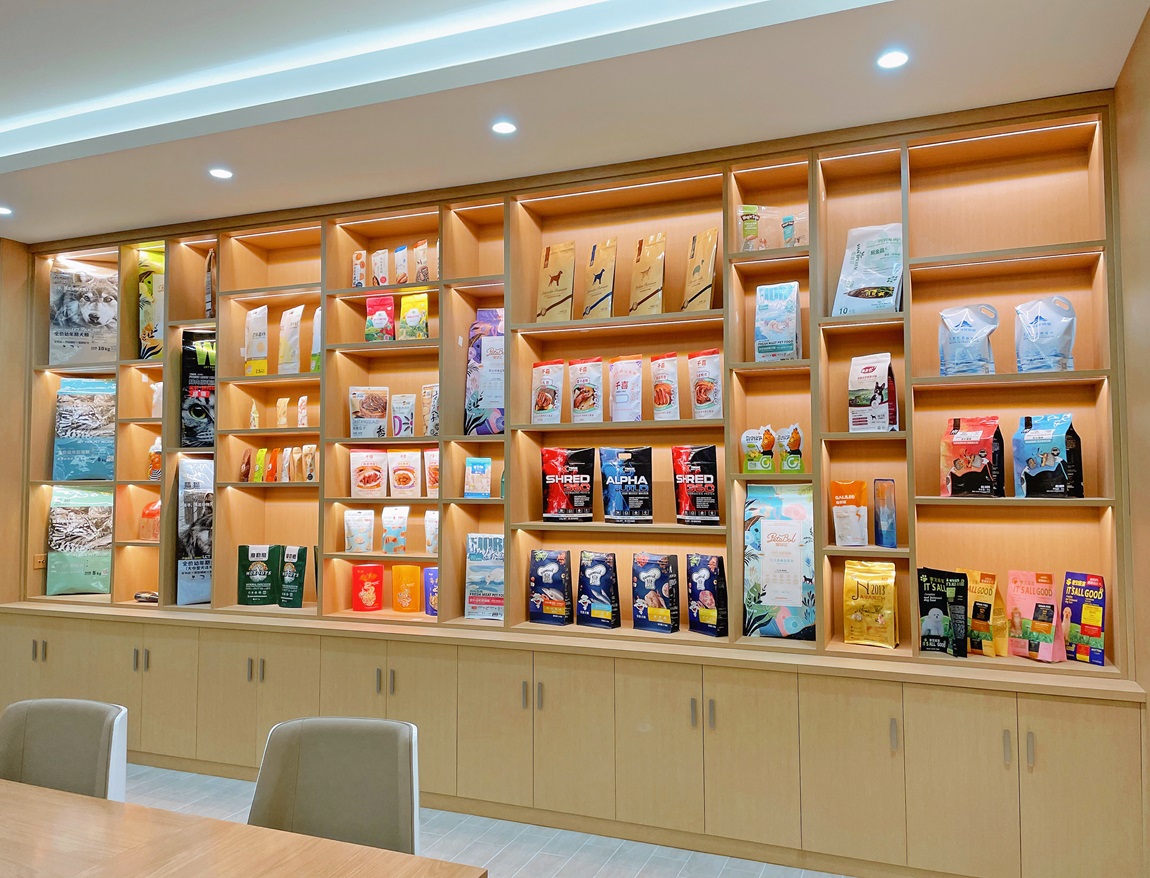
Perforated plastic crates are essential for ventilation, preventing heat build-up and mold growth in fruits and vegetables during long-haul transit.
Heavy-duty, stackable solid-wall crates protect precision engine components from dust and damage, capable of supporting static loads exceeding 500kg.
Foldable and nestable designs reduce return logistics costs by up to 75% when empty, a critical KPI for major logistics providers like DHL or Amazon.
Since 1985, Tongcheng Packaging Materials Co., Ltd. has established itself as a senior professional manufacturer in the global flexible packaging and industrial supply industry. Adhering to international standards, our products are exported to major markets in Europe, America, and Southeast Asia.
Occupying 5,500 square meters with a building area of 7,700 square meters, we manage an annual production capacity of 5,000 tons.
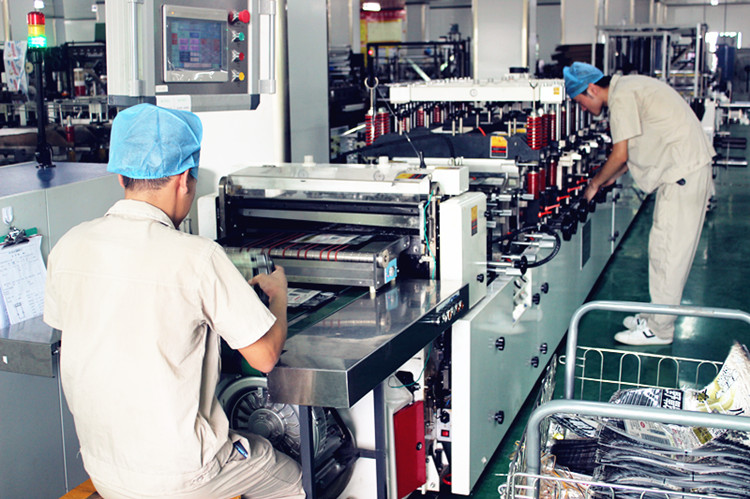
150 dedicated employees operating gravure plate making, printing, lamination, and bag-making lines.
We strictly follow ISO22000 and GB 9683-1988 quality control systems to ensure food-grade safety and industrial durability.
Answering technical questions for industrial buyers and supply chain managers.
HDPE (High-Density Polyethylene) is better for cold storage environments as it remains flexible at sub-zero temperatures. PP (Polypropylene) offers higher rigidity and is ideal for high-temperature wash-down environments or applications requiring minimal wall deflection.
By utilizing standardized plastic crates, companies can implement automated volumetric scanning. This provides "Information Gain" through precise data on warehouse utilization, pallet stability, and transportation efficiency that irregular cardboard packaging cannot offer.
Yes, our crates are designed with flat labeling surfaces and integrated RFID pockets that comply with GS1 global standards for unique identification, facilitating cross-border trade and seamless customs tracking.
Absolutely. We offer hot-stamping, silk-screen printing, and "In-Mold Labeling" (IML) for permanent branding. This is crucial for "Pool Management" where crates need to be identified and returned to the correct owner.
Advanced packaging solutions for medical, electronics, and food industries.
 Premir Plastic Package