Germany stands at the global forefront of the "Green Revolution" in packaging. As the largest economy in Europe, the German industrial landscape is undergoing a massive transformation driven by the Verpackungsgesetz (Packaging Act) and the European Single-Use Plastics Directive. For businesses in cities like Berlin, Stuttgart, and Düsseldorf, the transition from conventional plastics to biodegradable alternatives is no longer just an environmental choice—it is a regulatory and economic necessity.
The German market for Biodegradable Plastic Packaging is characterized by high technical standards and strict compliance. German factories and manufacturers are increasingly looking for suppliers who can meet the EN 13432 standard, which guarantees compostability in industrial facilities. Our manufacturing process aligns with these expectations, providing PLA (Polylactic Acid) and PBAT-based solutions that integrate seamlessly into Germany’s sophisticated waste management systems like the "Gelber Sack" (Yellow Bag) initiative.
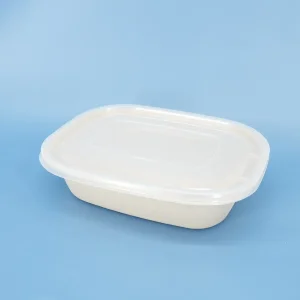
Current trends in the German market include the rise of Smart Bio-Packaging. Manufacturers are not just looking for "green" materials; they want packaging that offers high barrier protection for organic food products while remaining 100% home-compostable. The demand for "Zero Waste" grocery stores in urban centers like Hamburg and Munich has skyrocketed the need for corn-starch based bulk packaging and biodegradable films.
Compliance Rate
Annual Capacity
Years Experience
Eco-Friendly
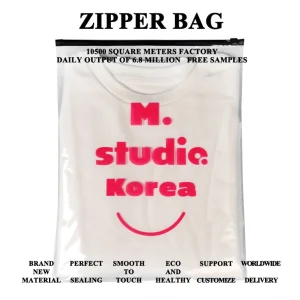
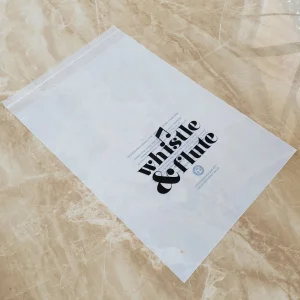
In Germany's fashion hubs like Düsseldorf, brands are replacing traditional PE mailers with Frosted Ziplock Biodegradable Bags. These bags provide a premium feel while aligning with the sustainability values of German consumers.
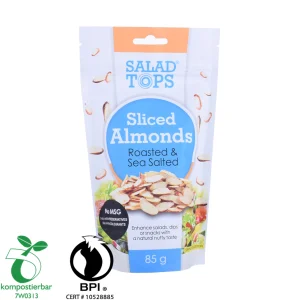
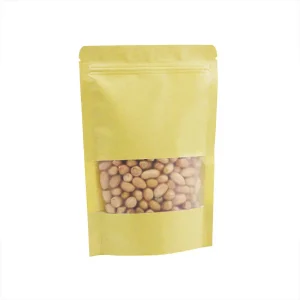
German chains like Bio Company and Alnatura require high-barrier biodegradable films for dry fruits, nuts, and bakery items. Our Kraft paper and PLA composite pouches are specifically designed for these high-turnover retail environments.
Even the heavy-duty automotive sector in Baden-Württemberg is shifting. Small precision parts are now being shipped in biodegradable anti-static bags to reduce the carbon footprint of the manufacturing supply chain. Our industrial-grade biodegradable bags meet the durability required for these engineering applications.
Since 1985, Tongcheng Packaging Materials Co., Ltd. has been a senior professional manufacturer supplying flexible packaging to international standards. Our products are exported to major European economies, with a strong focus on the German industrial sector. Our facility spans 5500 square meters with a building area of 7700 square meters, backed by a registered capital of RMB 11.98 million.
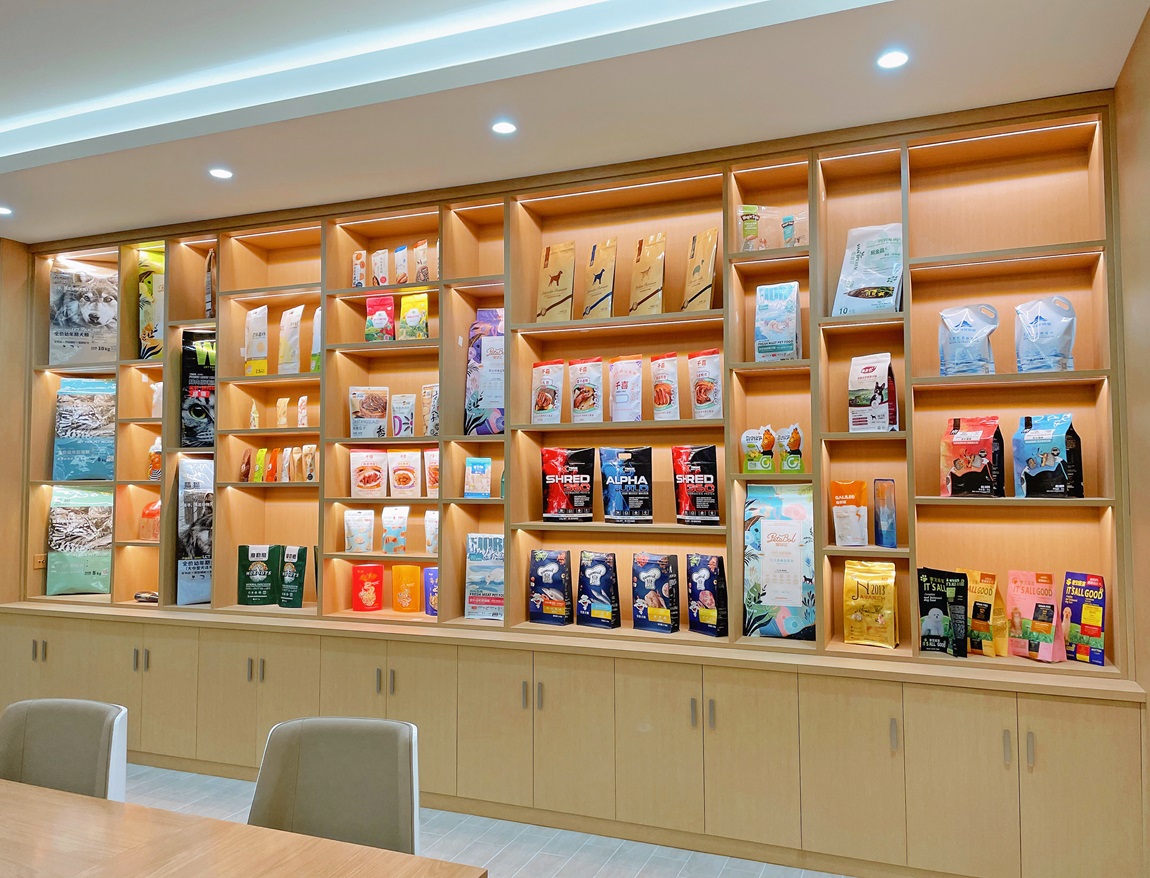
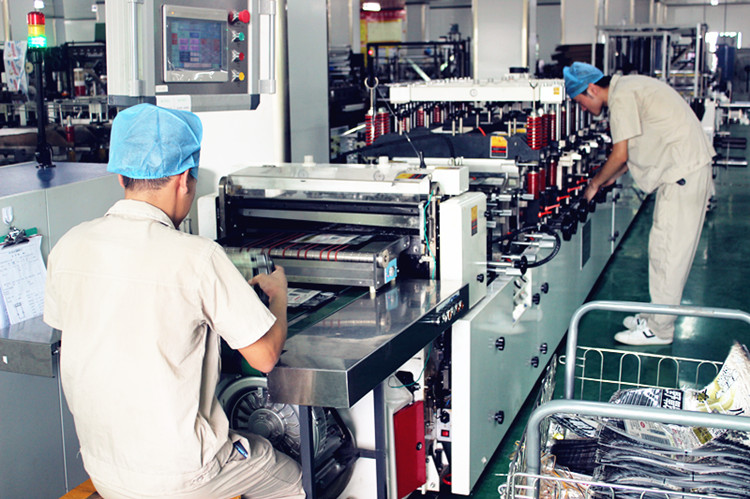
We strictly follow the quality control systems of ISO22000 and GB 9683-1988. For our German clients, we ensure every batch meets the necessary food safety and environmental impact criteria. Equipped with state-of-the-art gravure plate making, 10-color printing, lamination, and film-blowing machines, our 150-strong team maintains an annual capacity of 5000 tons.
In the competitive German market, "biodegradable" isn't enough. Our materials are a precise blend of Polylactic Acid (PLA), derived from renewable corn starch, and Polybutylene Adipate Terephthalate (PBAT). This combination ensures that the packaging is fully compostable while maintaining the tensile strength required for German logistics chains. It meets the DIN CERTCO standards frequently required in the region.
Germany has one of the world's most complex waste separation systems. Our EN 13432 certified bags are designed to break down in industrial composting facilities within 90 days, leaving no toxic residue. This helps German companies avoid the heavy "Plastics Tax" and improves their ESG (Environmental, Social, and Governance) ratings.
As Germany aims for climate neutrality by 2045, every part of the supply chain matters. By switching to our biodegradable solutions, German manufacturers can significantly reduce their Scope 3 emissions. Our products use soy-based inks for printing, ensuring that even the branding on the package is eco-friendly.
From the humid coastal regions of the North to the varied temperatures in the Bavarian Alps, packaging must remain stable. Our specialized bio-resins are engineered to resist moisture and temperature fluctuations, ensuring that products remain protected during transit throughout Germany and the rest of Europe.
Partner with a trusted manufacturer to future-proof your business against plastic regulations in Germany and Europe.
Send Inquiry Now & Get SampleSupport for German import standards, DHL/FedEx logistics integration, and customized OEM/ODM services.
 Premir Plastic Package