Engineered for structural strength, barrier protection, and high-performance applications in the Greater Philadelphia manufacturing corridor.
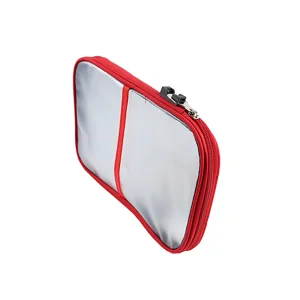
Tongcheng Packaging Materials Co., Ltd. is a senior professional manufacturer in supplying flexible packaging by international standards. Our products exported to countries in Europe, America and Southeast Asia. The company covers a total area of 5500 square meters and has 7700 square meters for building. The company's registered capital is RMB 11.98 million Yuan. There are totally 150 lovely employees working together. Equipped with gravure plate making, printing, lamination, slitting, bag-making and film-blowing and testing areas, our annual production capacity reached 5000 tons.

The Greater Philadelphia metropolitan region, spanning Southeastern Pennsylvania, Southern New Jersey, and Northern Delaware, represents one of the oldest and most vital manufacturing and logistical corridors in the United States. Propelled by the Port of Philadelphia (PhilaPort), crucial rail corridors, and key interstate highways (I-95 and I-76), this region acts as the primary clearing house for chemicals, food processing ingredients, pharmaceutical formulation inputs, and bulk agricultural goods.
Heavy-duty plastic packaging functions as the silent enabler of this massive supply network. In the maritime environment of PhilaPort, raw materials face intense moisture and salinity. Standard packaging collapses, resulting in moisture ingress, chemical degradation, or cargo spoilage. Modern logistics demands heavy-duty polymer packaging that offers not only structural integrity but also high barrier properties (oxygen, moisture, UV, and static protection) to preserve chemical compositions and food purity.
On a global scale, the industrial packaging sector is moving rapidly toward functional material consolidation and environmental circularity. The reliance on mono-material co-extruded films is rising because they facilitate recycling while retaining high tear strength, puncture resistance, and drop-test reliability. Brands are increasingly replacing traditional multi-layered materials with high-density polyethylene (HDPE) and linear low-density polyethylene (LLDPE) blends optimized through metallocene catalyst technology.
Additionally, smart packaging technologies—such as integrated RFID tagging and anti-counterfeiting tracking tags—are shifting from optional security features to standard protocols in sensitive applications like bank cash transfers, hazardous materials packaging, and high-value automotive electronics logistics. Our technological focus is aligned with this transition, providing extreme mechanical strength coupled with strict quality compliance.
Our systematic engineering approach to polymer modification and advanced manufacturing compliance.
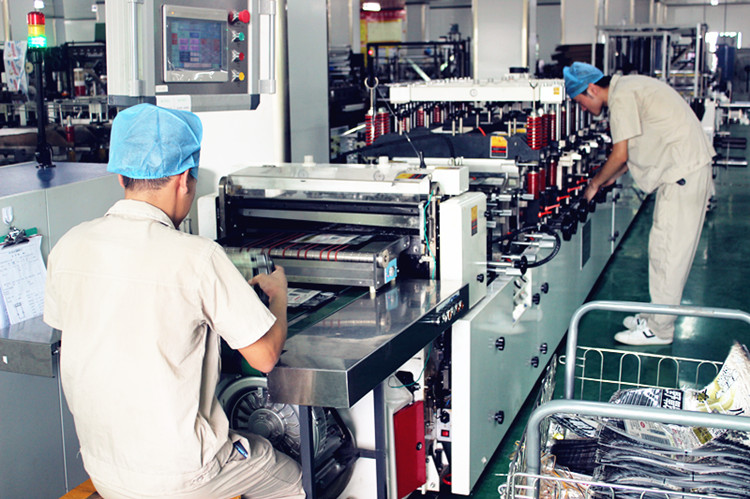
"We follow quality control system of ISO22000 and GB 9683-1988 strictly to ensure quality. Based on this, our products are exported to clients all over the world. All these products are qualified after being tested by authentic system."
Our technical roadmap incorporates state-of-the-art co-extrusion technology, combining multiple distinct polymer layers to optimize oxygen barriers, mechanical load capacity, and electrostatic dissipative properties.
Tailored heavy-duty packaging systems for Philadelphia's primary manufacturing sectors.
Multi-layer woven polymer bags and ton sacks designed to resist aggressive chemical reactions, extreme UV exposure, and moisture ingress.
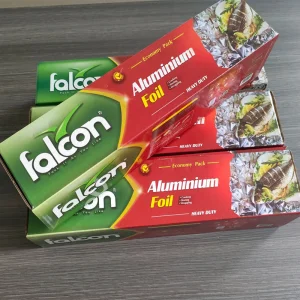
ISO 22000 and GB 9683-1988 certified food-grade liners, foil packaging, and barrier bags for ingredients, sugar, starch, and feed preservation.
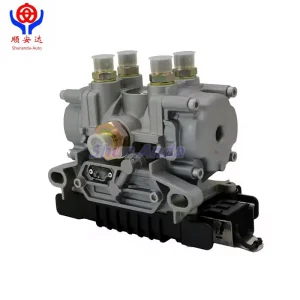
High-tensile industrial transit protection packaging for heavy vehicle parts, ABS brake units, and mechanical sub-assemblies during overseas shipping.
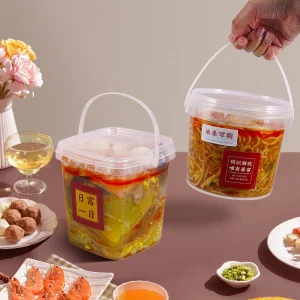
Heavy-duty, high-performance designs engineered for industrial, commercial, and logistical use.
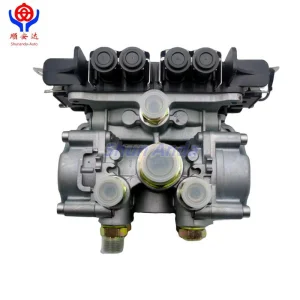
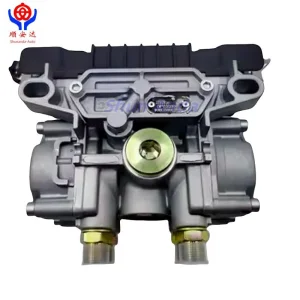

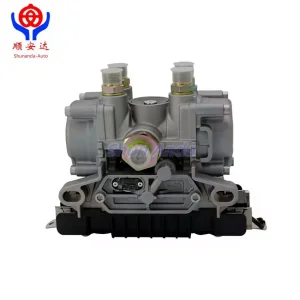
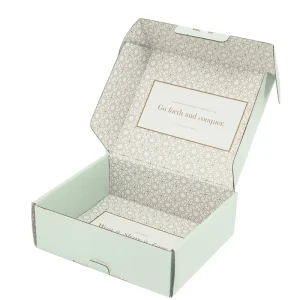
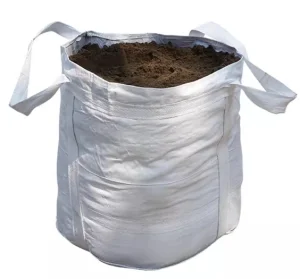
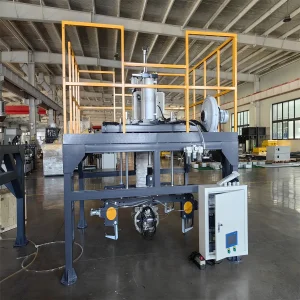
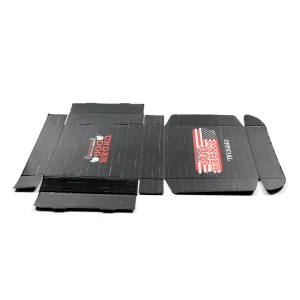
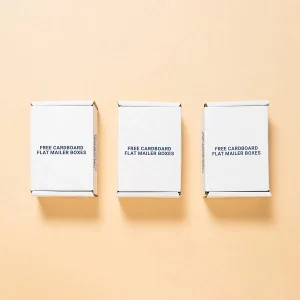
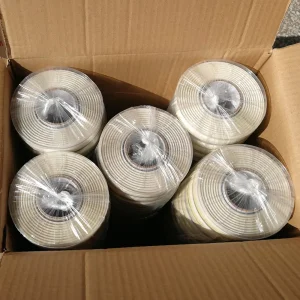
Completing the industrial containment cycle with precision-engineered corrugated mailers and heavy-duty structural bonding components.

Technical guidance and material insights for sourcing managers and process engineers.
 Premir Plastic Package