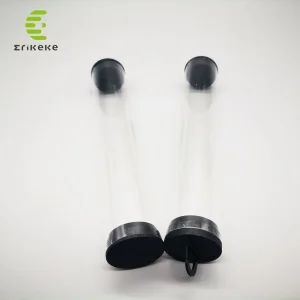
Engineered for high stability in extreme climates and optimized for agricultural and marine export logistics across Southern Africa.
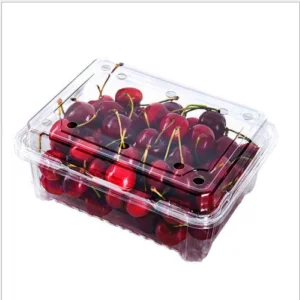

Namibia is rapidly transforming its economic architecture under the guidance of the Harambee Prosperity Plan II and the Fifth National Development Plan (NDP5). The country's unique geographical positioning—strategically bordering South Africa, Botswana, Angola, and Zambia—makes it a natural logistics gateway for the Southern African Development Community (SADC). A critical component of this industrial evolution is the modernization of physical distribution chains, where advanced polymer-based and composite packaging solutions play a pivotal role. The Port of Walvis Bay and the Port of Lüderitz serve as maritime conduits, connecting regional extraction and production centers directly to European, North American, and Asian import hubs.
From the agricultural output of the Orange River irrigation schemes to the intensive aquaculture systems operating in the cold currents of the Atlantic, the demand for high-integrity barrier packaging has experienced double-digit compound annual growth (CAGR). Products require advanced protection systems that resist moisture vapor transmission, maintain structural stability under high ultraviolet exposure, and conform to stringent global food safety standards. In particular, custom PVC, PET, and PP blister configurations and resealable multi-layer laminate systems are vital to prevent waste, extend product lifecycles, and facilitate seamless cross-border customs integration.
Strategic Economic Catalyst: High-performance rigid and flexible plastic packaging acts as more than just a containment method; it is a mechanism for value preservation. In Namibia's arid environment, where temperatures fluctuate widely between the desert interior and coastal fog belts, physical packaging must retain structural stiffness and chemically inert characteristics to protect high-value agricultural, pharmaceutical, and mining assets during transit.
The industrial consumption profile of rigid plastic box packages and flexible polymer barriers within Namibia is segmented across three primary industrial engines:
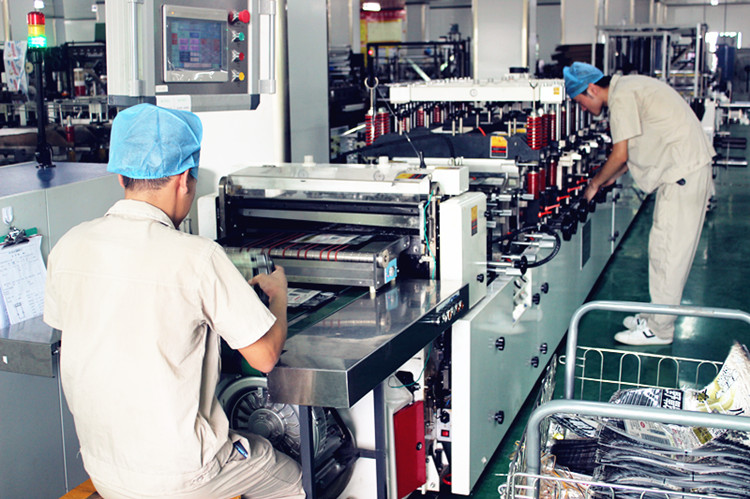
The global packaging economy is undergoing a massive shift towards structural optimization, circular material loops, and supply chain digitalization. To meet these global expectations, procurement executives in Namibia are moving away from fragmented regional brokers and directly partnering with advanced manufacturing plants in China. The core driver is the integration of Factory 4.0 automation systems, which couple multi-layer co-extrusion technology with automated quality verification.
Chinese advanced manufacturing integrates closed-loop thermoforming systems, inline visual defect inspection, and real-time resin monitoring. This configuration ensures that every plastic box package, clear PET food-grade container, or technical PVC blister meets precise dimensional tolerances and structural standards. This level of consistency is critical for automated high-speed filling lines in Namibia, where deviations of even a fraction of a millimeter can cause system shutdowns and significant economic losses.
Furthermore, global supply chain resilience requires manufacturing agility. By using advanced tooling processes, computer-aided structural design, and digital gravure plate-making systems, manufacturing operations can compress development lifecycles from several weeks to just a few days. This allows Namibian importers to adapt rapidly to changing market demands, seasonal crop shifts, and evolving regional trade regulations.
Strict compliance with ISO 22000, HACCP, and international GB 9683-1988 migration limits ensures food-grade safety across all export borders.
Direct supply contracts bypass intermediary markups, guaranteeing stable resin supply and consistent production run priorities.
Full CAD/CAM support for custom-shaped cavity volumes, snap-fit lids, and built-in anti-fog features tailored to your product lines.
Since 1985, Tongcheng Packaging Materials Co., Ltd. is a senior professional manufacturer in supplying flexible packaging by international standards. Our products exported to countries in Europe, America and Southeast Asia. The company covers a total area of 5500 square meters and has 7700 square meters for building. The company's registered capital is RMB 11.98 million Yuan. There are totally 150 lovely employees working together. Equipped with gravure plate making, printing, lamination, slitting, bag-making and film-blowing and testing areas, our annual production capacity reached 5000 tons.
We strictly follow the quality control systems of ISO22000 and GB 9683-1988 to ensure premium quality. Our manufacturing processes include strict chemical and mechanical testing protocols. This level of quality control ensures that all products are certified by leading global auditing systems, providing Namibian and regional buyers with reliable performance in transport and retail conditions.
Comprehensive Supply Chain Protection Guarantees:
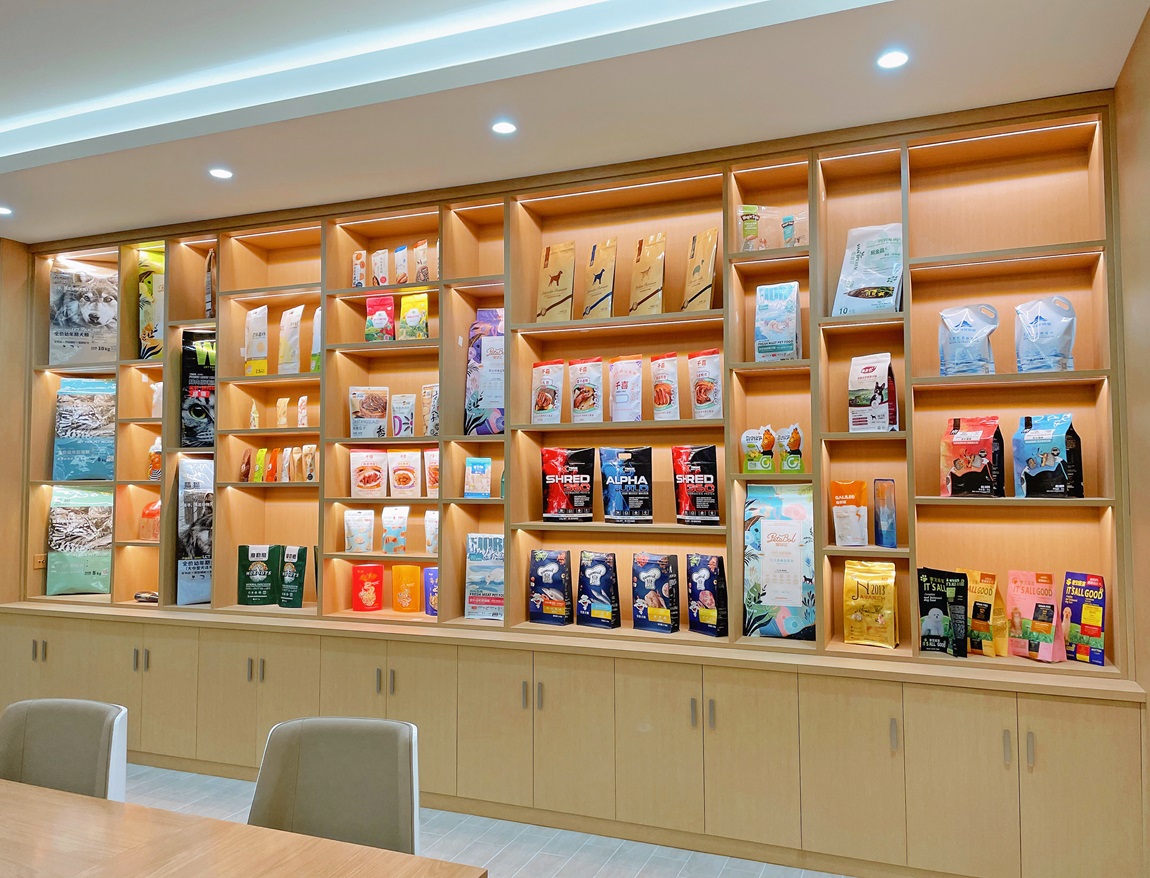
Engineered to meet international export compliance guidelines and optimized for various sectors within the Namibian economy.
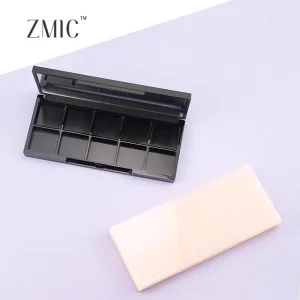
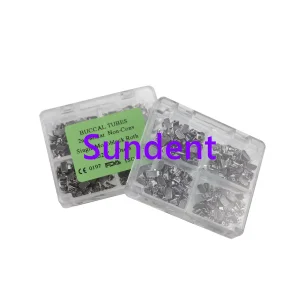
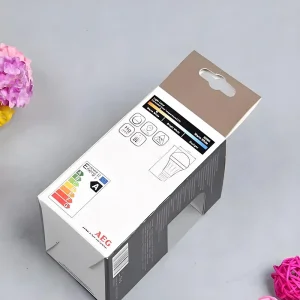
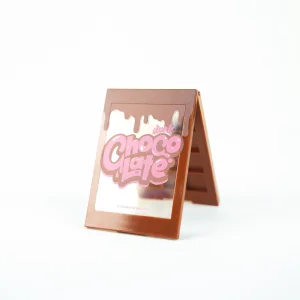

When engineering and sourcing plastic packaging systems, procurement teams must analyze the chemical and physical characteristics of the polymers. Selecting the right polymer involves balancing clarity, drop strength, gas barrier properties, and thermal stability.
The table below highlights the comparative properties of the three primary packaging polymers utilized by exporters in Namibia:
To optimize shipping and port-handling efficiency, cargo destined for Namibia is consolidated into standard dry-van containers (20GP/40HC). These containers are dispatched from major Chinese ports directly to the Port of Walvis Bay. Modern shipping routes leverage direct sea lanes, avoiding unnecessary transit through intermediate African ports to minimize lead times and reduce logistics costs.
Direct technical answers addressing regulatory compliance, logistics planning, and customized structural configurations.
 Premir Plastic Package