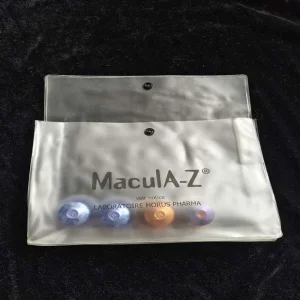
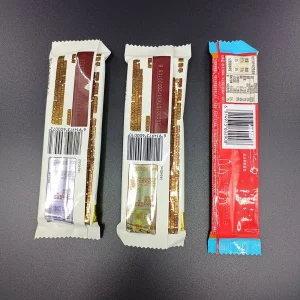
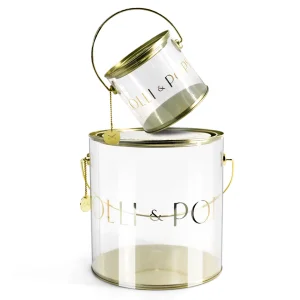
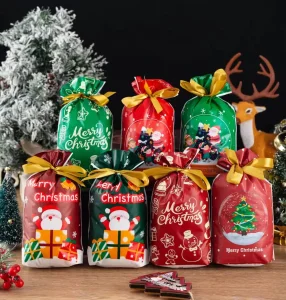
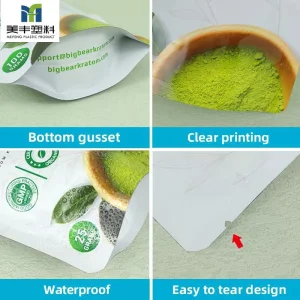
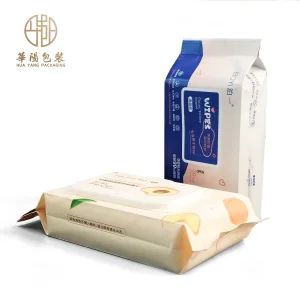
Engineered for high-durability transit and humidity resistance, these initial solutions represent our most requested packaging types for remote ocean transport.
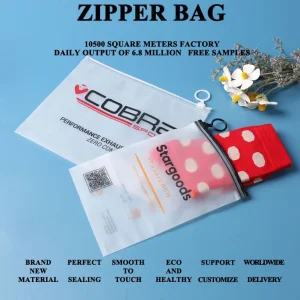
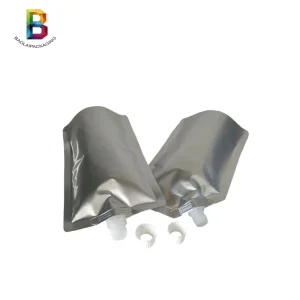
The Republic of Kiribati, comprising 32 atolls and one raised coral island dispersed across 3.5 million square kilometers of the central Pacific Ocean, presents one of the most demanding logistical and environmental landscapes globally. As a manufacturer and exporter of advanced flexible and rigid plastic packaging, Tongcheng Packaging Materials Co., Ltd. has spent over three decades engineering technical polymers that resolve the specific challenges of remote island states. From high-salinity marine atmospheres to complex multi-transshipment shipping lanes, our product architectures are designed for long-term circular performance, ensuring maximum shelf-life and minimized environmental leakage.
"The micro-state economics of the Pacific require packaging that is not merely a container, but a protective shield against humidity-induced deterioration and microbial contamination during extended maritime transit."
Kiribati operates under strict ecological imperatives, governed by the Ministry of Environment, Lands and Agricultural Development (MELAD). Given the country's limited land area and vulnerability to sea-level rise, plastic imports must align with local efforts to mitigate municipal solid waste. Our biodegradable slider zipper bags and reusable polymer configurations support these sustainability mandates. By shifting away from single-use thin films toward high-integrity, multi-cycle reusable containers (constructed with thick-walled PP and linear low-density polyethylene), we enable Kiribati enterprises to close the loop in waste management. Furthermore, our materials are formulated with advanced ultraviolet stabilizers to prevent photo-degradation caused by intense tropical insolation and high solar exposure typical of equatorial climates.
Maritime transport to the main ports of Betio (South Tarawa) and London (Kiritimati/Christmas Island) frequently involves transit times of 30 to 45 days, exposing cargo to continuous marine spray and internal container condensation (container rain). Standard industrial packaging fails under these conditions, leading to product spoilage, rusting of metal components, or structural collapse of paper-based outer layers. Our solution utilizes custom multi-layered co-extrusion technology, incorporating specialized moisture-barrier resins. Our 180GSM Waterproof PP Fabric Mattress Transportation Bags, for example, are engineered specifically to shield large household and hotel assets from water ingress and salt encrustation during terminal storage and high-humidity maritime logistics.
By bypassing third-party trading intermediaries, buyers in Tarawa, Tabuaeran, and Kiritimati secure direct access to manufacturing-scale efficiencies. Tongcheng Packaging Materials Co., Ltd. provides several strategic competitive advantages:
Underpinning Quality Standards: We operate strictly under ISO 22000 Food Safety Management Standards and GB 9683-1988 sanitary standards for food packaging materials, ensuring every shipment is accompanied by food-contact declarations of compliance, essential for importing into Oceania customs networks.
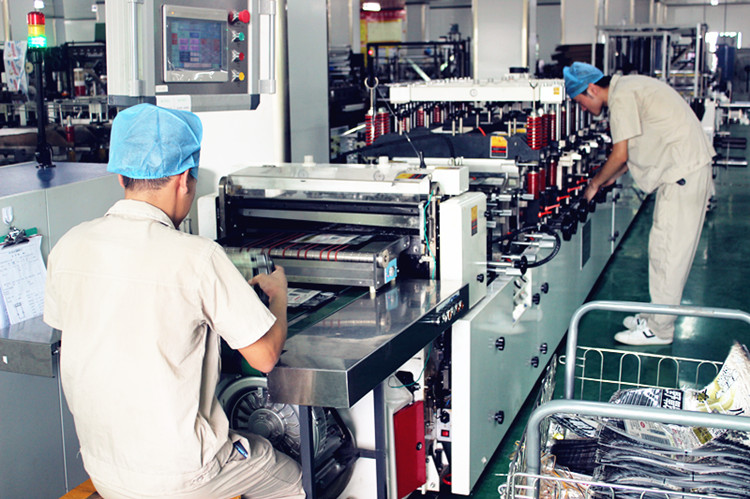
To support global supply chains, our factory utilizes heavy-duty machinery to achieve strict dimensional accuracy and chemical resistance across all product ranges.
Providing custom packaging configured for the primary industries and commercial demands of South Tarawa, Betio, and Kiritimati.
High-barrier nylon and co-extruded plastic pouches engineered for fish-processing plants in Betio, guaranteeing vacuum retention and preventing puncture from seafood extremities during sub-zero shipping.
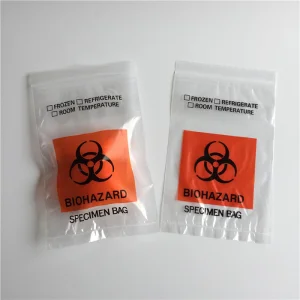
Medical-grade cooling gel packs and biohazard tube packs utilized by the Tungaru Central Hospital to manage and transport temperature-sensitive diagnostics safely across outlying islands.
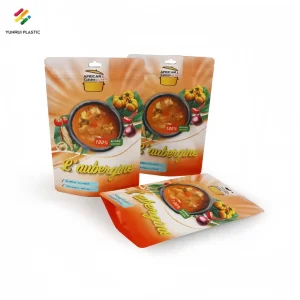
Heavy-duty, moisture-proof stand-up pouches and barrier bags designed to protect local copra, coconut oil derivatives, and dried pandanus products from rancidity and moisture absorption.
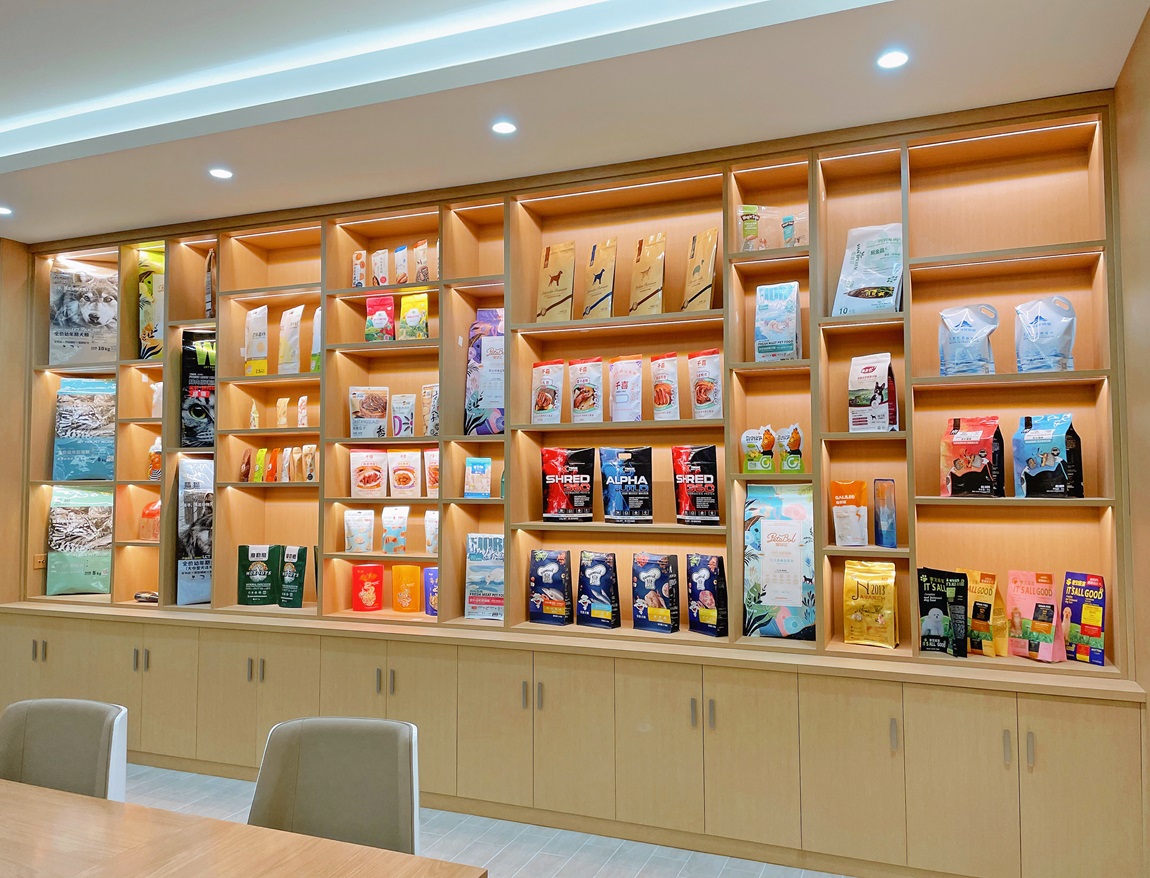
Explore our complete range of certified polymer solutions, manufactured to international performance metrics and ready for shipment to the Kiribati trade network.


Addressing core procurement questions regarding ocean freight shipping, compliance, and material engineering for Oceanian buyers.
Our flexible packages are engineered with oxygen and water vapor transmission barriers (OTR and WVTR). By laminating co-extruded films such as PET, Nylon, and LLDPE, we guarantee barrier protection that blocks air ingress and ocean humidity, protecting contents during transit through equatorial zones.
Yes. All food-grade pouches, spout pouches, and containers we export are manufactured under strict ISO 22000 quality systems and GB 9683-1988 guidelines. We supply certified documentation confirming migration levels fall well within international safety boundaries, making custom clearance into Kiribati, Fiji, and other Pacific points straightforward.
Typical manufacturing lead times range from 14 to 21 days depending on print complexity (such as multi-color rotogravure plates). MOQs are designed to accommodate local distribution volumes. Transshipment schedules via major South Pacific lines (like Pacific Forum Line or Neptune Pacific Direct Line) average 20-30 days from departure in China.
We provide two alternative configurations: high-strength, multi-cycle reusable polymers that lower the cost-per-use, and biodegradable film laminations (such as PLA and bio-PE blends) designed to degrade in managed municipal settings, aligning with MELAD’s environmental preservation plans.
 Premir Plastic Package