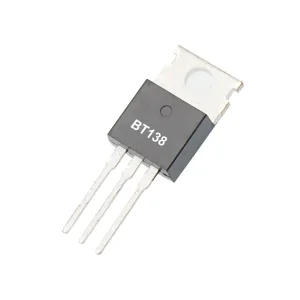
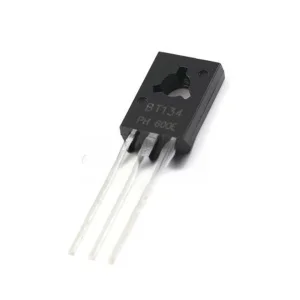
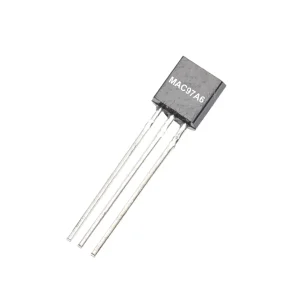
Engineered to withstand high relative humidity and salt air, offering exceptional child-resistance and thermal integrity.
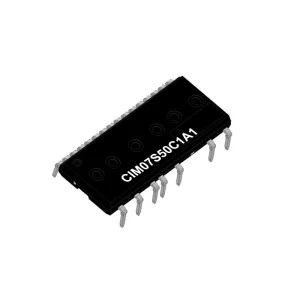
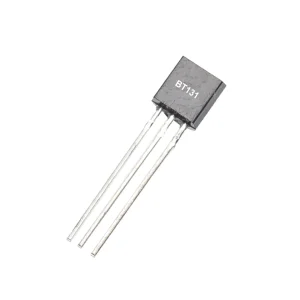
In today's globalized economy, the term "Sealed Plastic Package" encompasses two critical technological pillars: advanced high-barrier flexible packaging (designed for pharmaceuticals, agro-processing, and organic exports) and microelectronic plastic encapsulation (such as TO-92, TO-220, and TO-252 semiconductor packaging). For the Commonwealth of Dominica, an island nation marked by its pristine environment, growing agricultural exports, and exposure to intense tropical marine environments, the technical specifications of these packages are not merely operational details—they are fundamental drivers of product shelf-life, supply chain resilience, and system reliability.
As the "Nature Island of the Caribbean," Dominica’s economic model increasingly relies on value-added agricultural products (essential oils, herbal medicines, gourmet coffee, hot sauces, and dried fruits) and eco-friendly consumer goods. However, the island's tropical rainforest climate, characterized by high annual rainfall, relative humidity levels regularly exceeding 85%, and pervasive airborne salinity from the Caribbean Sea, poses extreme degradation risks for both organic materials and electronic control systems.
Organic exports require high-barrier packaging with ultra-low Water Vapor Transmission Rates (WVTR) and Oxygen Transmission Rates (OTR). Without premium barrier films, moisture ingress leads to rapid mold development, flavor degradation, and product spoilage. Simultaneously, Dominica's infrastructure—ranging from renewable solar arrays to local agro-processing machinery—operates under constant atmospheric strain. Semiconductor devices (such as Triacs, SCRs, and IPMs) must be sealed in robust, hermetically molded plastic packages to prevent moisture-induced corrosion, dielectric breakdown, and system failures.
Modern flexible sealed plastic packages are complex, multi-layered structures engineered at the molecular level. Typical configurations for Dominica's agro-industrial exports utilize laminated films such as PET/AL/PE, PET/NY/PE, or metallized MOPP/VMPET/PE structures. Each layer serves a precise physical purpose:
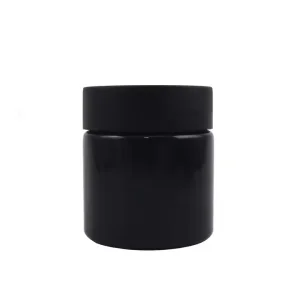
For specialized retail markets, particularly in North America and Europe, child-resistant (CR) properties have transitioned from optional features to mandatory regulatory compliance. Push-and-turn lids and locking zippers are integrated into sealed plastic jars and bags to protect households while maintaining hermetic freshness.
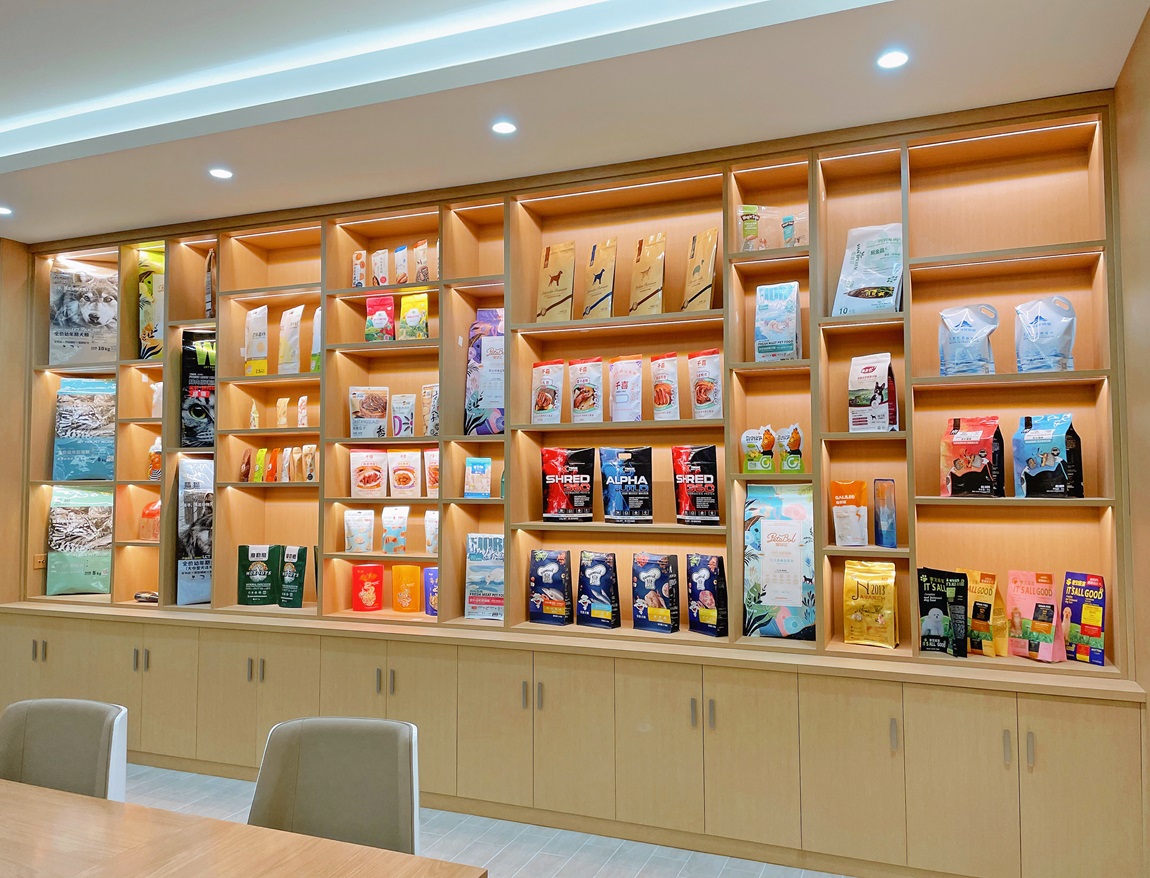
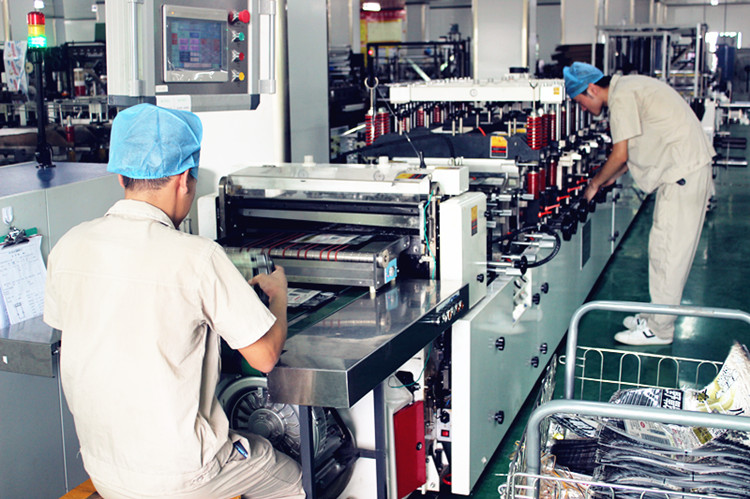
Since 1985, Tongcheng Packaging Materials Co., Ltd. is a senior professional manufacturer in supplying flexible packaging by international standards. Our products exported to countries in Europe, America and Southeast Asia. The company covers a total area of 5500 square meters and has 7700 square meters for building. The company's registered capital is RMB 11.98 million Yuan. There are totally 150 lovely employees working together. Equipped with gravure plate making, printing, lamination, slitting, bag-making and film-blowing and testing areas, our annual production capacity reached 5000 tons.
We follow quality control system of ISO22000 and GB 9683-1988 strictly to ensure quality. Based on this, our products are exported to clients all over the world. All these products are qualified after being tested by authentic system.
Adhering strictly to ISO22000 and GB 9683-1988 food-safety and mechanical standards, backed by computerized inspection systems.
Secure financial transaction pipelines and flexible LC/TT agreements ensuring mutual risk mitigation during international trades.
Direct logistical coordination from primary Chinese ports to Roseau Port, Dominica, mitigating seasonal shipping delays.
Dedicated 24/7 technical support, offering digital mockups, structural engineering consultations, and quick sampling protocols.
For procurement officers in Dominica and the wider Caribbean Community (CARICOM), sourcing packaging materials directly from Chinese manufacturers like Tongcheng presents significant cost, quality, and technological advantages. Operating an integrated 5500-square-meter facility with specialized areas for gravure plate-making, film-blowing, multi-layer dry lamination, and automated bag-making allows for seamless vertical integration. This minimizes external supply chain friction and ensures consistent mechanical tolerances.
In contrast to regional distributors, a direct manufacturing relationship enables precise custom engineering. If an exporter in Dominica requires a high-puncture-resistance bag for exporting dried sea moss or volcanic cosmetic mud, the polymer formulation can be adjusted during the film-blowing stage (e.g., adding metallocene linear low-density polyethylene for high seal-strength and drop resistance). The financial efficiency of scale, backed by an annual production capacity of 5,000 tons, yields a highly competitive Total Cost of Ownership (TCO) even after accounting for ocean freight costs to the Caribbean.
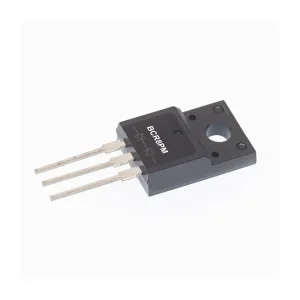
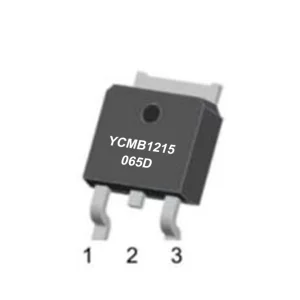
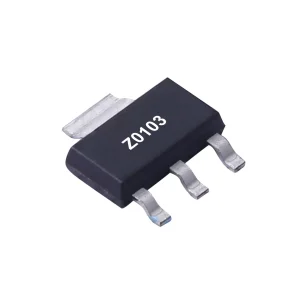
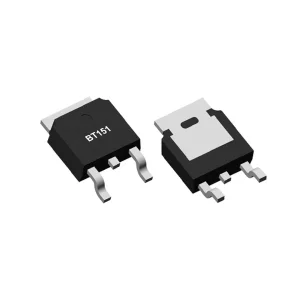
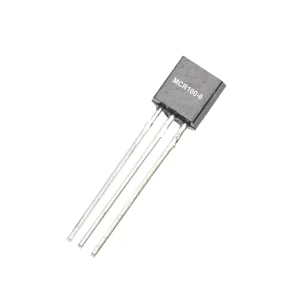
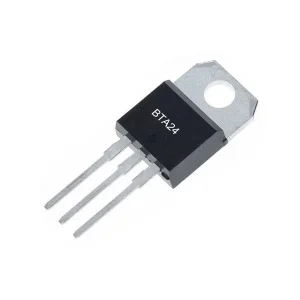
In modern industrial applications, "packaging" is no longer isolated to agriculture. The transition of Dominica towards resilient infrastructure—such as the Roseau Valley Geothermal Project and widespread solar microgrids—requires highly specialized power electronic packaging. Heavy-duty electronic components, including SCRs (Silicon Controlled Rectifiers) and Triacs, rely on plastic injection-molded packaging (like TO-220F and SOT-223) to isolate semiconductor dies from environmental moisture and salt-laden air.
These molded plastic packages utilize specialized thermosetting epoxy molding compounds (EMC) designed for high thermal conductivity, low thermal expansion (to prevent delamination from the silicon chip), and excellent dielectric strength. By integrating high-barrier consumer packaging with resilient electronic components, industrial operators in Dominica can protect both their agricultural products and the electrical grids powering their processing lines.
High-reliability plastic packages, SCRs, and Triacs designed for solar inverters, voltage regulation, and electronic equipment across Dominica.
As the international community converges on circular economy principles, the flexible packaging sector is undergoing a massive shift towards ecological compatibility without sacrificing barrier properties. Under the revised CARICOM environmental guidelines and Dominica's national commitment to climate resilience, businesses must evaluate the ecological footprint of their packaging. Key global trends include:
Procurement directors sourcing from Tongcheng must follow structured quality verification protocols to ensure perfect compliance upon arrival at Roseau Port:
1. Pre-Shipment Lab Validation: Request test reports demonstrating compliance with ISO22000, FDA CFR 21 (for food safety), and GB 9683-1988 hygiene standards. Oxygen and moisture transmission levels (OTR & WVTR) must be verified through official cell-permeation testing methods.
2. Physical Stress & Puncture Tests: Ensure that materials intended for jagged or heavy items (such as whole spices or electrical components) are subjected to standard ASTM drop and puncture testing to prevent ruptures during rough ocean transport.
3. Anti-Corrosive Packing for Transit: For semiconductor orders, verify that the units are placed in moisture-barrier bags (MBBs) with desiccant and humidity indicator cards (HICs), sealed under vacuum parameters to completely eliminate corrosive air during their maritime journey.
Detailed answers to the most common engineering, logistical, and compliance questions regarding sealed packaging imports to Dominica.
A glimpse inside our ISO22000-certified facilities, displaying our laminating and slitting machinery engineered for maximum output precision.
 Premir Plastic Package